




Key Takeaways
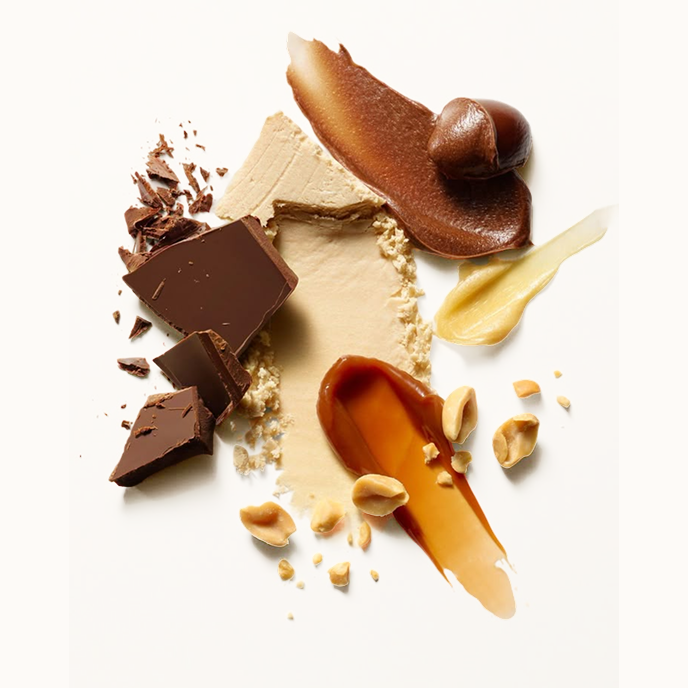
- There are many types of chocolate, each defined by cocoa content, ingredients, and processing style.
- Dark and bittersweet chocolate are among the healthiest options due to higher cocoa and antioxidant levels.
- India now produces and experiments with its own chocolate varieties using local cacao and spices.
- When purchasing different types of chocolate bars, always check for refined sugar content, cocoa butter quality, and dietary preferences such as vegan or gluten-free options.
In This Article
The Delicious History Of Chocolate Varieties: Ancient Beginnings To Modern Treats
Nutritional & Health Benefits Of Chocolate: Why It’s More Than Just A Sweet Treat
Different Types Of Chocolate: A Guide To Every Flavor And Texture
What To Look For When Buying Chocolate: Tips For Choosing The Best Quality Chocolate Bars
From everyday chocolate bars to premium baking chocolate, the world of chocolate is far more diverse than it looks. Today, people actively search for different types of chocolate in India to suit baking, gifting, or mindful indulgence.
Whether it’s bittersweet chocolate for baking, dark chocolate for health benefits, or unique regional flavours like Indian chocolate, chocolate varieties have expanded rapidly in recent years.
With Indian consumers becoming more ingredient-aware, interest in gluten-free, vegan, and refined sugar-free chocolates has grown significantly.
In this guide, we break down the most popular types of chocolate, explain commonly used chocolate varieties' names, and help you understand which chocolates work best for baking, snacking, or healthier desserts.
The Delicious History Of Chocolate Varieties: Ancient Beginnings To Modern Treats
Chocolate’s story began long before it became a dessert obsession.
The Mayans and Aztecs were sipping cacao as a bitter, frothy ceremonial drink long before sugar entered the chat. It was even used as currency - can you believe that!
When cacao travelled to Europe, things got interesting. Sugar and milk joined the party, bitterness softened, and chocolate slowly transformed into the indulgent treat we know today.
Fast forward to now, and chocolate has reinvented itself, showing up as dark, bitter, vegan, and everything in between. Proof that chocolate never stops evolving, it just keeps getting better.

Nutritional & Health Benefits Of Chocolate: Why It’s More Than Just A Sweet Treat
Dark chocolate, when minimally processed and high in cocoa, offers several well-studied health benefits.
Dark chocolate with a high cocoa content is packed with valuable nutrients and bioactive compounds. It is particularly rich in phenolic antioxidants, including flavanols, catechins, and epicatechins, which help neutralize free radicals and reduce oxidative stress in the body.
Health benefits of chocolate
Dark chocolate also provides essential minerals like:
- Iron: Supports oxygen transport in the blood
- Magnesium: Important for muscle and nerve function
- Zinc and copper: Improve immunity and metabolism.
Its flavonoids are known to support heart health by improving blood flow, reducing LDL oxidation, and supporting healthy blood pressure levels.
Different Types Of Chocolate: A Guide To Every Flavor And Texture
Now, let’s explore the different types of chocolate. While all are delicious, some are healthier than others. Here’s a guide to chocolate varieties and their ideal uses in baking:
1. Couverture Chocolate
A premium chocolate with high cocoa butter content, couverture chocolate is smooth, glossy, and melts beautifully. It is commonly used by professional bakers and chocolatiers for tempering, coating, and making truffles.
2. Unsweetened Chocolate
Made from pure cocoa solids and cocoa butter with no added sugar, unsweetened chocolate is extremely bitter. It’s mainly used in baking, where sweetness is added separately.
Unsweetened chocolate is often used in healthy spreads and keto snacks.

3. Bitter Chocolate
Often confused with dark chocolate, bitter chocolate contains very little sugar and a high percentage of cocoa solids. It delivers an intense cocoa flavour and is popular among serious chocolate lovers.
4. Dark Chocolate
One of the most loved chocolate varieties, it’s rich in antioxidants and health benefits.
Dark chocolate contains cocoa solids, cocoa butter, and minimal sugar. Known for its bold flavour, it is a favourite for healthy indulgence.

5. German Chocolate
Despite its name, German chocolate is American in origin. It is a mildly sweet chocolate traditionally used in German chocolate cake, paired with coconut-pecan frosting.
6. Gluten Free Chocolate
Naturally, pure chocolate is gluten-free.
Gluten-free chocolate specifically ensures no cross-contamination, making it safe for people with gluten intolerance or celiac disease. You can find this chocolate variety in India. It is often used in gluten free cookies and gluten free snacks.

7. Indian Chocolate
Chocolate is cultivated in Southern India, particularly in Kerala and Tamil Nadu, where the tropical climate and fertile soils are ideal for cacao farming.
Many chocolatiers have come up with Indian chocolate varieties made by infusing spices like cardamom or even tea to give it a unique flavour. This local chocolate is gaining popularity globally.
8. Milk Chocolate
Milk chocolate combines cocoa solids, cocoa butter, milk, and sugar. It has a creamy texture and sweet taste, making it one of the most widely consumed chocolate types worldwide. Yes, the chocolates you eat are generally milk chocolate.

9. Ruby Chocolate
Ruby chocolate is known for its natural pink colour and fruity, berry-like taste. Made from specially processed ruby cocoa beans, it offers a unique flavour without added colour or fruit.
10. Vegan Chocolate
Vegan chocolate is made without dairy, using plant-based alternatives like almond, oat, or coconut milk. It’s suitable for vegans and those with lactose intolerance.
What To Look For When Buying Chocolate: Tips For Choosing The Best Quality Chocolate Bars
Here are the tips for choosing different types of chocolate bars:
Refined Sugar Free
Look for unsweetened chocolate or chocolates sweetened with natural alternatives like coconut sugar. This will ensure that you get the goodness of chocolate without the empty calories of refined sugar.
Vegan Chocolate
Look for chocolates that use plant-based milk or none at all, ensuring they’re dairy-free and suitable for sensitive digestion. Vegan chocolates are not just a cruelty-free choice; they are also light on your gut.

Gluten Free Chocolate
Check labels for certified gluten-free chocolates, especially if you have gluten intolerance, PCOS, or celiac disease.
Healthy Oil
High-quality chocolate uses cocoa butter instead of hydrogenated oils or palm oil, resulting in better texture, taste, and health benefits.
Frequently Asked Questions
1. How many types of chocolate are there?
There are many types of chocolate, but they are commonly grouped into a few main categories, like dark, milk, white, ruby, couverture, vegan, and specialty chocolates. Within these, variations depend on cocoa percentage, ingredients, processing methods, and regional styles.
2. What is white chocolate made from?
White chocolate is made from cocoa butter, milk solids, and a sweetener. It does not contain cocoa solids, which is why it has a creamy colour and lacks the deep chocolate flavour found in dark or milk chocolate.
3. What is the healthiest type of chocolate for weight loss?
Dark chocolate with a high cocoa content (70% or more) is considered the healthiest option for weight management. It is lower in sugar, rich in antioxidants, and more satisfying, which can help control cravings when eaten in small portions.
We use vegan 70% chocolate in all our recipes to ensure your cravings are satisfied without compromising on health.
4. What is the difference between dark and milk chocolate?
Dark chocolate contains a higher percentage of cocoa solids and less sugar, giving it a richer, more intense flavour. Milk chocolate includes milk powder or condensed milk, making it creamier, sweeter, and generally higher in sugar and calories.
5. What is the healthiest type of chocolate?
The healthiest chocolate is dark chocolate with minimal ingredients, high cocoa content, and low or no refined sugar. It offers the most antioxidants, flavonoids, and minerals compared to other chocolate varieties.
