


Key Takeaways
- Pinni sweet has been a part of Punjabi heritage for centuries. Traditionally made with ghee, roasted wheat flour, and jaggery, pinni sweets were the most popular winter dessert.
- Pinni Punjabi sweets have several health benefits, like being traditionally eaten in winter for warmth and nourishment, and providing long-lasting energy in the winter season.
- You can easily make a vegan and gluten-free version of Pinni at home with our Punjabi pinni recipe.
- Pinnis, when eaten in moderation, can be a great source of healthy fats and a good source of energy, even for children and the elderly.
In This Article
What Is The Famous Punjabi Pinni Sweet? Origin & History
Learn The Nutritions & Health Benefits Of The Punjabi Pinni - Indian Winter Dessert
Modern Healthy Take On The Classic Pinni Sweet
Tips & Tricks On How To Make A Punjabi Pinni Sweet At Home
Every Punjabi knows the warmth of Pinni, one of the most loved Indian desserts for winter. Punjabi pinnis have crossed borders and cultures to be globally loved today! But did you know that Punjabi atta pinni had reached Europe as early as 1914! In this blog, we will talk about the history of Punjabi pinni, the health benefits of pinni sweet, and a healthy take on Punjabi pinni recipe.
What Is The Famous Punjabi Pinni Sweet? Origin & History
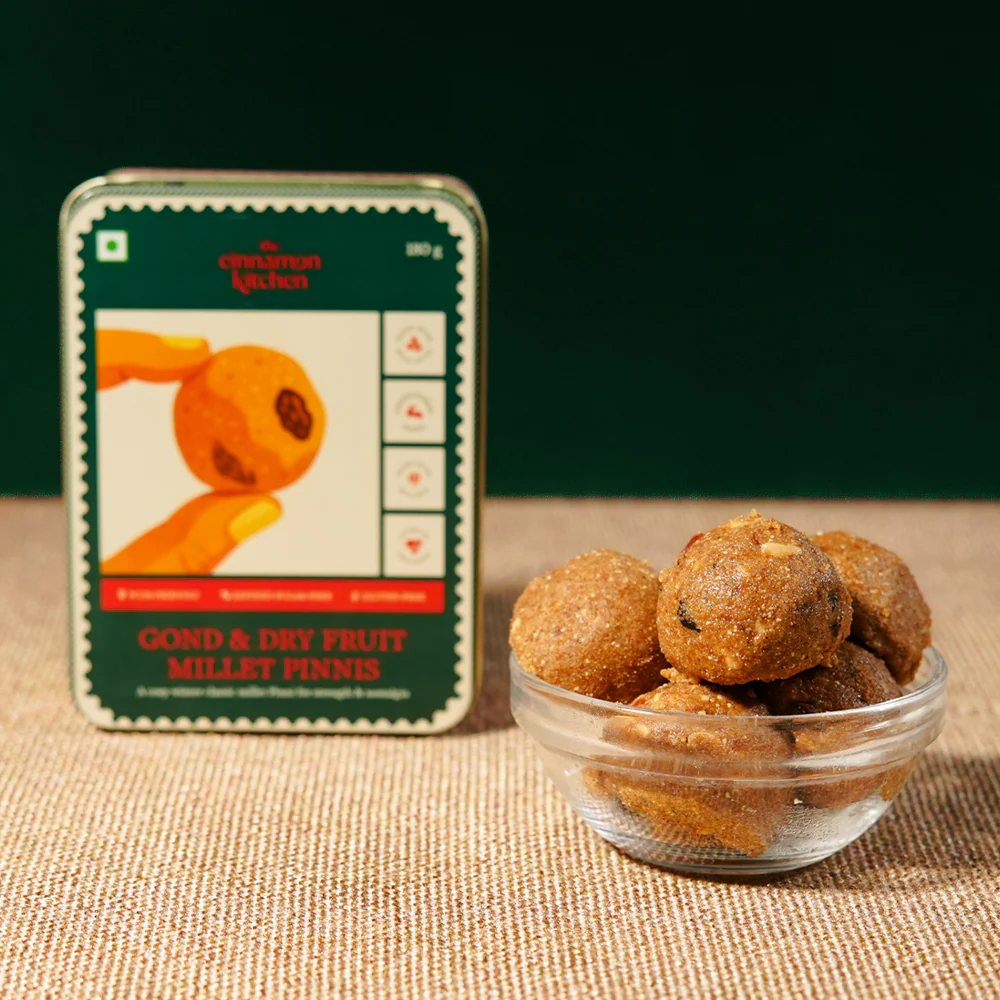
Punjabi pinni sweet is a traditional Indian winter sweet made using whole wheat flour, desi ghee, jaggery or sugar, and a generous mix of nuts and seeds. It is shaped into small, round laddoo-like balls and is known for being rich, nourishing, and deeply satisfying.
More than a dessert, pinni is traditionally eaten for nourishment and sustained energy during the winter months.
Origin & History of Punjabi Pinni
Pinni originates from the Punjab region, where harsh winters called for foods that could keep the body warm and well-nourished. Pinni Punjabi sweet is even mentioned in several stories documented when Indians were fighting in World War 1 (1914-1918).
Historically, it was prepared at home in large batches using locally available ingredients like wheat, ghee, and jaggery.
Over generations, pinni became closely associated with winter rituals, postpartum care, and family gatherings. Punjabi pinnis are not just sweets, they are emotions! Even today, several Punjabis living around the world are connected with the sweet tradition of making pinnis in winter, sharing the traditional Punjabi pinni sweet recipe, and passing it down through Punjabi households.

Learn The Nutritions & Health Benefits Of The Punjabi Pinni - Indian Winter Dessert
Punjabi pinni is one of those winter treats that feels like a warm hug from home. If you’ve grown up in North India, chances are you’ve seen pinnis carefully stored in a steel dabba at home, made in batches by our moms or nanis once winter sets in. More than just a dessert, Punjabi atta pinni is comfort food, tradition, and nutrition rolled into one.
Health Benefits of Pinni Sweet
Health benefits of homemade Punjabi pinni for winters:
1. Provides long-lasting energy
Made with whole wheat, ghee, and nuts, pinni releases energy slowly and keeps you feeling full for hours.
2. Keeps the body warm in winter
The warming nature of ghee, jaggery, and dry fruits helps maintain body heat during cold weather.
3. Supports strength and stamina
Pinni is rich in healthy fats and proteins, making it great for building strength and reducing winter fatigue.
4. Good for digestion
Desi ghee aids digestion, while jaggery supports gut health and is traditionally valued for supporting regular digestion.
You can also check out our millet snacks that are light on your gut.
5. Rich in essential nutrients
Nuts and seeds provide iron, calcium, magnesium, and antioxidants that support overall health.
6. Boosts immunity naturally
The combination of nuts, seeds, and jaggery strengthens immunity, which is especially important during winter.
7. A healthier alternative to refined sweets
Unlike store-bought desserts, pinni is made with natural ingredients and no refined sugar. You can also check out our snacks for diabetics and gluten-free cookies that are made without refined sugar.

Modern Healthy Take On The Classic Pinni Sweet
If you want gluten-free, vegan pinnis this winter, this simple recipe will ensure your homemade pinni sweets taste amazing while being entirely plant-based.
- Heat the coconut oil in a heavy pan on a low flame. Add the millet flour and roast patiently, stirring continuously, until it turns aromatic and slightly golden. This step is key to flavour.
- Roast nuts and seeds separately in another pan. This keeps them crunchy and enhances taste.
- Cool the mixture slightly. The mixture should be warm, not hot.
- Add powdered jaggery, cardamom powder, desiccated coconut, and roasted nuts and seeds. Mix well using a spoon or your hands.
- Shape the pinnis while the mixture is still warm. Take small portions and shape into round pinnis. Lightly grease your palms with coconut oil if needed.
- Allow the pinnis to rest for a few hours so they firm up naturally.
You can also explore more gluten-free snacks at The Cinnamon Kitchen. Made for people with PCOS, gluten sensitivity, and diabetes, our healthy bites and winter snacks are suited to different dietary preferences.

Tips & Tricks On How To Make A Punjabi Pinni Sweet At Home
Here are a few hacks and tricks to keep in mind while making pinnis at home with our Punjabi pinni recipe:
- Powder the jaggery instead of melting it. This helps bind the pinni naturally without adding excess moisture.
- Roast nuts and seeds separately to bring out their flavour and keep them crunchy instead of soggy.
- Fry the gond in small batches. It puffs up quickly and can burn if left unattended
- Shape while the mixture is still warm. If it cools too much, it won’t bind properly.
- Lightly grease your palms for easy shaping.
- Keep pinnis in an airtight container at room temperature. They stay fresh for weeks, especially in winter.
Frequently Asked Questions
1. Why is pinni considered a winter special sweet in Punjab?
Pinni is made with ingredients that keep our bodies warm and provide stable energy during winter, which is why it is considered a winter special sweet. The ghee and nuts provide healthy fats, while jaggery provides slow-releasing energy.
2. Can pinni be made without sugar at home?
Yes, of course, you can make pinnis without sugar at home. Simple use jaggery powder or coconut jaggery instead of refined sugar.
3. What is the traditional Punjabi pinni sweet made of?
Traditional Punjabi pinni sweet is made from whole wheat flour or atta, nuts like almonds, cashews, and foxnuts, ghee, and jaggery powder.
4. Is pinni healthy for children and elderly people?
Pinni, if made without refined sugar, can be healthy for children and elderly people, but the key is to eat it in moderation. If you eat 1 pinni a day, that is a healthy amount, but too many pinni sweets will definitely lead to a calorie surplus.
