


Key Takeaways
- Gluten free atta isn’t just for people with gluten intolerance; it’s a healthier, cleaner choice for anyone trying to lose weight.
- Easier to digest and gentle on the gut, gluten free atta helps reduce bloating and supports better digestion compared to regular wheat flour.
- Perfect for weight management and PCOS-friendly diets, thanks to its high fibre and low glycemic index.
- Gluten free atta is rich in essential nutrients like iron, calcium, and magnesium.
- Versatile for cooking and baking, gluten free atta can easily replace regular atta in most recipes while keeping your meals wholesome and tasty.
In This Article
- Key Takeaways
- Introduction
- Which Is Healthier: Gluten Free Atta Or Regular Atta
- Health Benefits Of Gluten Free Atta
- Tips For Baking With Gluten Free Atta
- Conclusion
- Frequently Asked Questions
Introduction
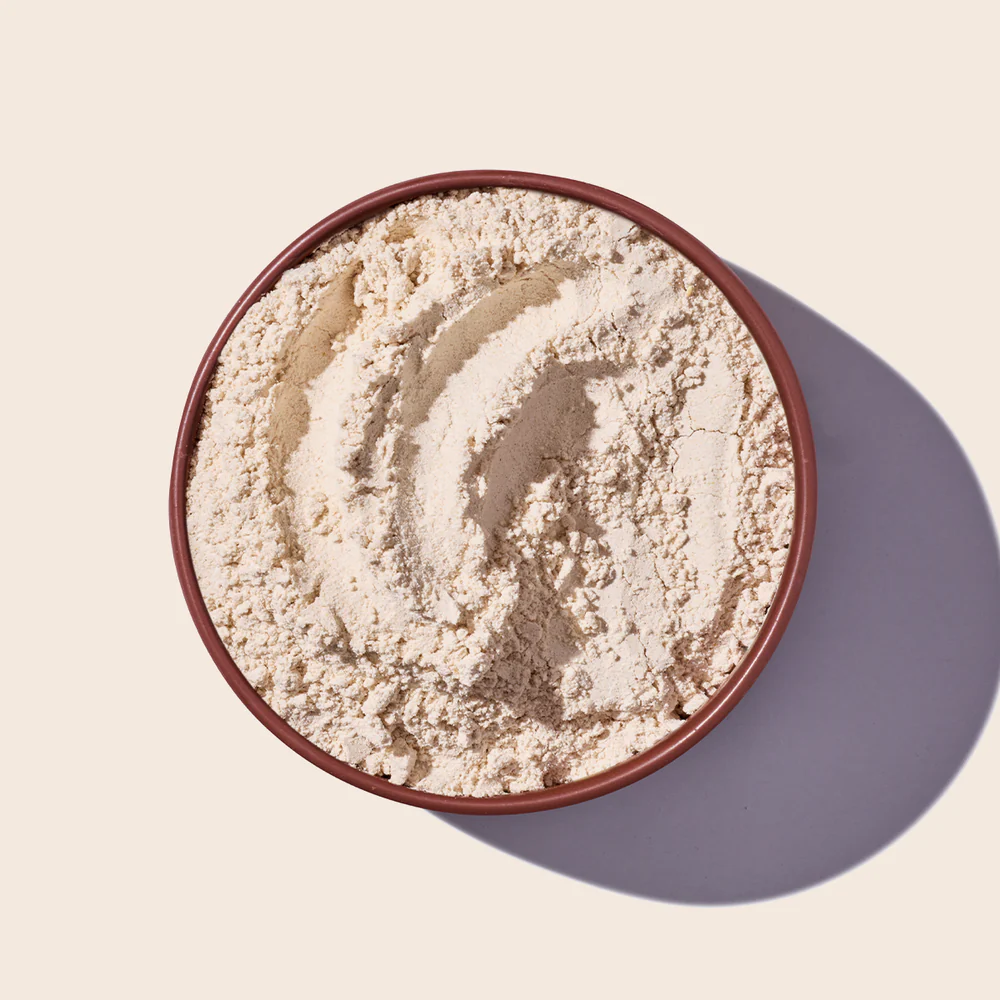
You must have heard about gluten free flour, but it is more than just a rising trend! Gluten free atta is rich in fibre, iron, and essential minerals, making it a wholesome addition to any balanced diet.
Many people notice better digestion and less bloating after making the switch, thanks to the natural, easy-to-digest grains like jowar, bajra, and ragi that replace wheat. Gluten free atta ingredients are not limited to millets; rice flour, oats flour or even almond flour can be used as gluten free flour.
The best part? You don’t need to be gluten-intolerant to enjoy its benefits. Whether you’re trying to manage your weight, improve gut health, or simply eat cleaner, gluten free atta supports your everyday wellness goals while being incredibly versatile.
What Is Gluten Free Atta?
Gluten free atta or flour basically means non-wheat flour. It can be made from millets like jowar or ragi, oats, or even nuts like cashew or almonds.
You can also check out our gluten free winter snacks and healthy granola snacks, which are ideal for individuals with gluten intolerance.
Types of Gluten Free Flour in India: Jowar, Bajra, Ragi, Buckwheat and More
There's plenty to choose from when it comes to gluten free atta flour. Each grain brings its own flavour, texture and nutritional qualities, so the best choice depends on what you're cooking.
|
Gluten-Free Flour |
What Makes It Different |
|
Jowar Flour |
Mild, slightly earthy and naturally gluten-free. Works well for everyday rotis and bhakris. |
|
Bajra Flour |
Has a rich, nutty taste and contains fibre, iron and magnesium. Particularly popular in winter meals. |
|
Ragi Flour |
Known for its calcium content and distinctive flavour. Lovely in dosas, pancakes and porridge. |
|
Buckwheat Flour |
Also called kuttu atta, it has an earthy taste and works well for cheelas and fasting recipes. |
|
Amaranth Flour |
Known as rajgira atta, it provides protein and minerals. Often used for rotis and traditional fasting dishes. |
|
Rice Flour |
Light in flavour and useful for crispy snacks, batters and gluten-free baking. |
Which Is Healthier: Gluten Free Atta Or Regular Atta
We all know that gluten free atta means it is not made from wheat, which is the key ingredient of our regular atta. But that’s not the only differentiating factor between the two. Let us have a look at whether gluten-free atta is healthier than wheat atta.
|
Aspect |
Regular Atta (Wheat Flour) |
Gluten Free Atta |
|
Main Ingredient |
Whole Wheat |
Jowar, Bajra, Ragi, Rice, etc. |
|
Contains Gluten |
Yes |
No |
|
Digestibility |
Can be heavy for some; not suitable for gluten-sensitive individuals |
Easier to digest; gentle on the stomach |
|
Nutrient Profile |
Rich in fibre, protein, and B vitamins |
High in dietary fiber, calcium, iron, and antioxidants |
|
Texture of Roti |
Soft and elastic |
Slightly denser or crumbly, it has an earthy, nutty flavour. |
Nutrition: Gluten Free Atta VS Wheat Atta
Nutritional difference between gluten free atta and wheat flour is:
|
Nutrient |
Whole Wheat Atta |
Gluten Free (Millet) Atta |
|
Calories |
340 kcal |
370–380 kcal |
|
Carbohydrates |
71 g |
68 g |
|
Protein |
12–13 g |
10–11 g |
|
Fat |
2 g |
4–5 g |
|
Fibre |
12 g |
14-15 g |
|
Iron |
3 mg |
5–8 mg |
|
Calcium |
35 mg |
40–60 mg |
|
Magnesium |
140 mg |
160–170 mg |
Health Benefits Of Gluten Free Atta
Gluten free atta shouldn't be only for those with gluten intolerance. You can use gluten free atta for its health benefits. Let's explore how gluten-free atta benefits for digestion:
1. Gentle on Digestion:
It is gluten free so it will not aggravate the stomach and will not cause bloating or heaviness after eating.
2. Supports Weight Management:
Millet Atta is rich in fibre that makes you feel full for longer and prevents overeating.
3. Heart Healthy:
Gluten free atta is rich in magnesium and healthy fats, which are great for healthy blood pressure and cholesterol levels.
4. Helps Manage PCOS and Diabetes:
Millets have a low Glycemic Index which helps maintain blood sugar and hormone balance.
You can shop for PCOS snacks and snacks for diabetics from TCK.
5. Perfect for Modern, Conscious Diets:
Perfect for vegans, gluten free, and plant-based diets, it's a great daily option for those looking to stay healthy.
6. High in Iron and Calcium:
It enhances energy levels, increases haemoglobin, and helps build strong bones and teeth.
7. Free From Additives:
Gluten-free atta usually consists of ancient grains such as ragi, jowar, and bajra, free from any artificial elements or refined flour.
Order your favorite cakes in Delhi online from The Cinnamon Kitchen

Common Myths: Is Gluten Free Atta Always Healthier?
Gluten-free does not mean it will help with weight loss or digestion. It entirely depends on what grain it contains, the amount of fibre and your diet. Whole wheat atta is equally healthy unless you are advised to avoid gluten by your doctor.
Gluten-free food does not always equal healthy food. If you are looking for healthier alternatives, check out The Cinnamon Kitchen’s Gluten Free Snacks range.
How to Choose the Best Gluten Free Atta
An ideal gluten free atta flour will have an ingredient list that is transparent and will also be able to meet your requirements of daily cooking. Use wholegrain ingredients such as jowar, bajra and ragi instead of those mixes which contain a lot of refined starches.
Consider the fiber content and do not use any additional ingredients. In case you suffer from coeliac disease, go for gluten free products. You could give a try to The Cinnamon Kitchen’s range of gluten free atta products too.
How to Switch From Regular Atta to Gluten Free Atta
Begin with familiar dishes; don't change every recipe overnight. Get used to their flavors by trying jowar rotis, ragi dosas or millet pancakes. Gluten free dough behaves differently because it lacks the elasticity of wheat gluten and you may need to adjust the water and handling.
For a completely gluten-free diet, avoid mixing it with wheat atta. You can also explore healthy treats made with alternative grains for more everyday variety.
Tips For Baking With Gluten Free Atta
Here are some easy tips for baking with gluten free atta:
- Mix different flours: Combining flours like rice, jowar, and almond flour gives better taste and texture.
- Add a binder: Gluten free atta does not hold as well as regular atta. Use ingredients like flaxseed powder or psyllium husk to make the dough softer and hold together well.
- Use warm water: Gluten free dough is usually less elastic, so kneading with warm water helps.
- Don’t over-knead: Gentle mixing works best to avoid a dry or crumbly texture.
Check out The Cinnamon Kitchen for some delicious evening snacks for kids.
Why Choose The Cinnamon Kitchen for Gluten Free Bakes
At The Cinnamon Kitchen, we believe good ingredients should never mean compromising on taste. Our collection includes plant-based bakes, millet-based treats and alternatives to conventional flour.
Enjoy a nostalgic Jim Jam biscuit, try our rich Walnut Brownie, or explore our sugar free cookies for tea-time. If you're planning a celebration, then browse our Vegan Cake collection for something special.
Conclusion
Now that you know the benefits of gluten free atta, make the switch and live a healthier lifestyle. Whether you’re managing gluten sensitivity or just trying to eat cleaner, the nutritious gluten free flour promotes better digestion, energy and overall wellness.
The Cinnamon Kitchens is the most popular bakery website in Gurgaon. We bring you the indulgent yet wholesome snacks and desserts made with gluten free atta.
Frequently Asked Questions
1. Is makki atta gluten free?
Yes, makki atta (corn flour) is gluten free and suitable for those who can't eat wheat or gluten in their diet.
2. Which atta is gluten free?
Gluten free atta is naturally made from millets such as jowar, bajra, ragi or from rice, corn, amaranth.
3. Is gluten free atta healthier than regular atta?
Yes, gluten free atta is a healthier alternative to refined wheat flour. Gluten free atta is easier to digest, rich in fibre and minerals and is good for people who are sensitive to gluten.
4. What is gluten?
Gluten is a protein in wheat which stretches and holds the dough together.
5. Can gluten free atta help with weight management?
Gluten free atta is also high in fibre and can give a feeling of fullness for longer, aiding weight management.
6. Can gluten free atta be used as a replacement for regular atta in all recipes?
Yes, after trying hands-on with baking gluten free atta, you can surely replace it with regular atta in all the recipes. You can easily bake or cook with gluten free atta.
7. Gluten free atta vs normal atta for weight loss: which is better?
Gluten free atta is good for weight loss since it contains a high amount of fiber, which helps to keep the stomach fuller.
How should gluten-free atta be stored to maintain freshness?
Keep gluten free atta in a clean, airtight container, out of heat, direct sunlight and moisture. For nut-based flours, refrigeration may help to prolong the shelf life. Refer to packaging for directions on how to store.
Can you mix gluten-free atta with wheat atta?
Yes, you can mix gluten-free atta with wheat flour to get a softer rotis. The mixture will be gluten containing, however, and will not be suitable for those on a gluten free diet.
Does gluten-free atta need more water?
There are gluten-free flours that require more water and some that require less. Slowly add water and stir until the mixture is of the desired consistency. Some millet doughs may be easier to handle if they're warm.
Can you make puris with gluten-free atta?
It is possible to make puris with gluten-free flour like rajgira, kuttu or using a suitable blend of millet flour. Dough may require the addition of a binder and attention to not crack the dough during rolling.
Popular Searches
Bites Snacks | Cacao Cookies | Gluten Free Bread | Almond Butter | Healthy Spreads | Millet Snacks | Crunchy Peanut Butter | Snacks For Fasting Days | Snack Gift Baskets
