



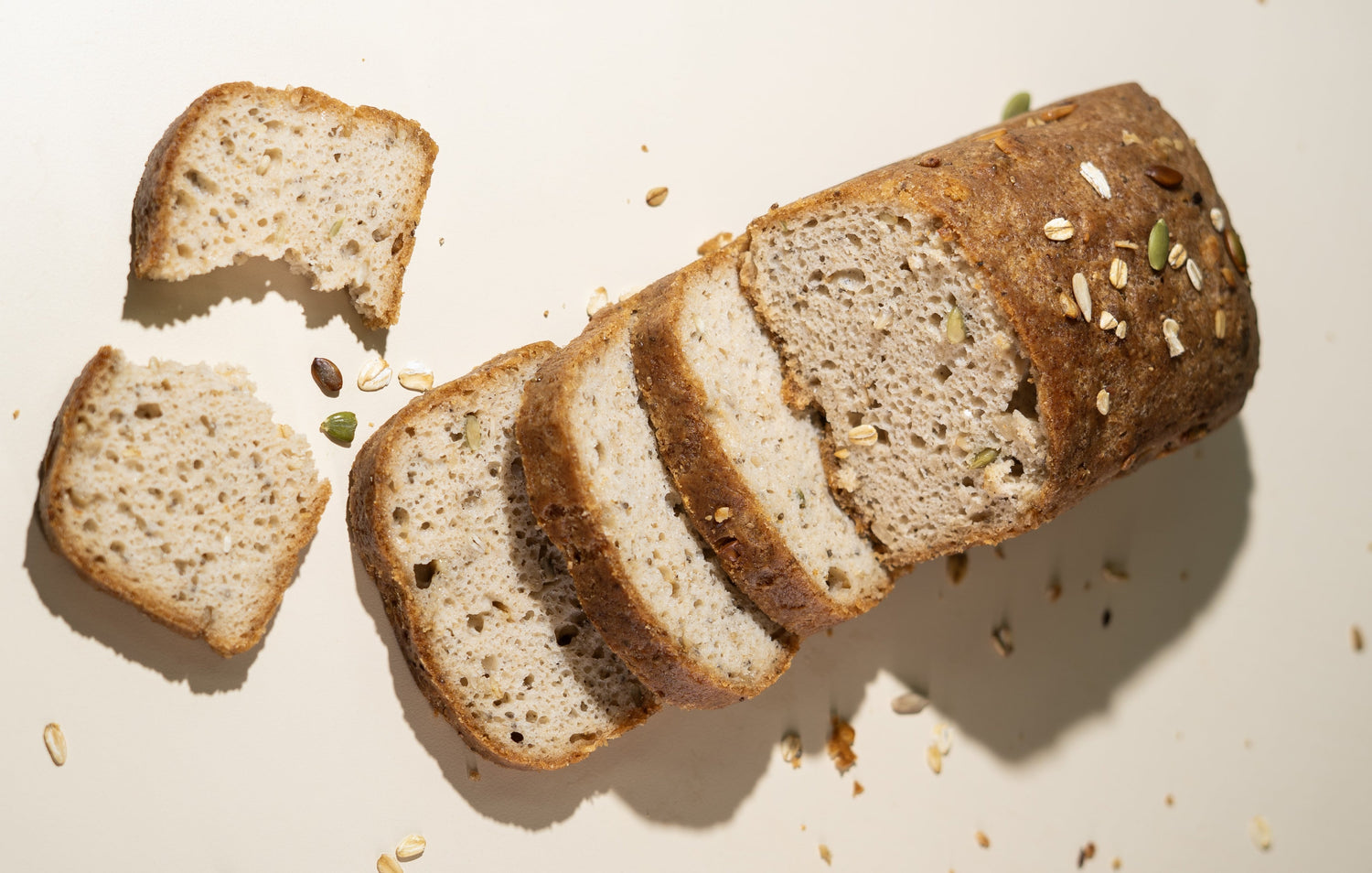
Once upon a time, your gut was simply the silent partner in your late-night snacking escapades. But plot twist - your gut is now the leading lady in your health storyline. Mood swings? Energy crashes? Hormones screaming? Your gut is running the show!
And here’s the bonus: There are as many things your gut cares about not being fed as there are things it’s hungry for. That’s why more and more people are leaving their favorite loaves behind for gluten-free ones - not because it’s cool, but because their guts are asking for more good (and a little less bloat).
Maybe you’re already team gluten-free.
Maybe you’re gluten-curious, standing on the sidelines and wondering if it’s really worth the hype.
Either way, you are going to want a piece of this. We are going to talk about why gluten-free bread can make your gut happy, what to look for in a good loaf, how it’s made, and what to pair it up with…
And how a gluten-free bread is about to give your gut (and your taste buds) a happily ever after!
What Is Gluten?
Gluten is a natural protein found in grains like wheat, barley, and rye.
It is the glue that gives dough its classic stretchiness and bread its soft, chewy texture. (1)
While gluten is harmless for most people, those with celiac disease, gluten sensitivity, or wheat allergies may need to avoid it to prevent digestive discomfort and inflammation.
Nutritional Benefits of Gluten-Free Bread
If you are someone who has wondered why gluten-free bread, let me clear that up for you. Gluten-free bread has several nutritional benefits. Check out the gluten-free bread nutrition facts:
1. Higher in Fibre
Many gluten-free breads use grains like millet, sorghum, brown rice flour, or seeds, which naturally contain more fibre than refined wheat.
It is one of the major health benefits of gluten-free bread.
2. Rich in Vitamins and Minerals
Gluten-free bread is nutrient-rich. Here are the vitamins and minerals present in gluten-free bread:
- B vitamins
- Magnesium
- Iron
- Antioxidants
3. Lower Glycemic Index Options
Millet-based and seed-rich gluten-free breads have a lower glycemic index, meaning they release energy more slowly. This helps avoid sudden sugar spikes and crashes.
Who Needs To Switch To Gluten-Free Bread?
Even though a lot of people are now choosing gluten-free breads and cakes, you might wonder, Who should eat gluten-free bread?
1. People with Gluten Sensitivity
They should avoid gluten because it can trigger bloating, gas, stomach pain, fatigue, and inflammation.
2. People with PCOS
Many women with PCOS experience insulin resistance, and gluten-containing products can spike blood sugar quickly. Gluten-free, millet-based breads offer better blood sugar control and may help manage PCOS symptoms more effectively.
3. People with Celiac Disease
Celiac disease patients must avoid gluten completely because even small amounts can damage the small intestine and lead to serious nutrient deficiencies.
4. People with Wheat Allergy
Wheat can trigger allergic reactions such as itching, swelling, or digestive issues, so gluten-free bread is a safer alternative.
5. People Trying to Reduce Bloating or Improve Gut Health
Some individuals simply digest gluten-free breads better, especially those made from millet or seeds, which are gentler on the gut. Not everyone needs to eliminate gluten, but some bodies benefit from it
Common Gut Issues Caused By Gluten
Even if you are not medically restrained from eating gluten, gluten can irritate the gut lining and cause several gut issues, like inflammation and bloating. Here are the common issues caused by gluten:
-
Bloating And Gas
Gluten can cause significant bloating and gas in some people as it does not get absorbed completely, stays in the gut, and gets fermented, causing gas. (2)
-
Irritable Bowel Syndrome Symptoms
For many people, gluten triggers cramps, diarrhoea, constipation, and stomach discomfort that closely mimic Irritable Bowel Syndrome.
-
Leaky Gut Syndrome
Gluten may increase gut permeability in sensitive individuals, allowing unwanted particles to pass through the gut lining and trigger inflammation.
-
Inflammation
If your body reacts negatively to gluten, it can cause inflammation of the gut, which leads to pain and discomfort.
-
Autoimmune Flares (Like In Celiac Disease)
In people with celiac disease, gluten triggers an autoimmune attack on the small intestine, causing severe inflammation and long-term gut damage.

Why is Gluten-free bread a game-changer for gut health?
Choosing a gluten-free bread is one of the easiest and most promising ways to give your gut a break. Here’s why:
1. It reduces gut inflammation
Eliminating gluten from your diet helps in calming the inflamed gut lining caused by gluten sensitivity, giving ample amount of time for your gut to heal and function healthily.
2. Supports microbial balance
Your gut microbiome needs balance. Overly processed gluten, may promote the growth of unfriendly bacteria in sensitive individuals. Gluten-free bread made with whole, plant-based flours can give rise to beneficial gut bacteria instead.
3. Improves nutrient absorption
When your gut is severely inflamed, the absorption of vitamins and minerals can be poorly affected. If we remove an irritant like gluten, you would improve your quality of gut health significantly and would absorb nutrients better.
How is gluten-free bread made?
Gluten-free bread is made using naturally gluten-free flours in addition to other plant-based ingredients to mimic the texture and softness of regular bread.
The minimal use of preservatives actually helps in aiding the targeted gut issues.
A quality gluten-free loaf goes beyond just being "wheat-free," it adds nutrition.
1. Millet Flour:
Jowar, oats, and rice flours are used in gluten-free bread instead of wheat flour. This provides the bread with a soft texture.
2. Corn & Potato Starch:
Potato starch gives the bread that soft, fluffy texture and stretch that is often absent in gluten-free alternatives. Starch gives a mild sweetness and helps with binding.
3. Psyllium Husk:
Psyllium husk helps to support both the structure of the gluten-free bread, and it promotes gut health too! Psyllium is a natural fiber that helps hold the bread together, while its fiber helps to keep digestion smooth.
4. Apple cider vinegar:
Apple cider vinegar enhances fermentation, improves texture, and supports better digestion. It provides a light tang that balances flavors, and it helps the rising action of bread to occur naturally!

Easy Recipes Using Gluten-Free Bread
Here’s the fun part! Gluten-free bread is so versatile, it is perfect for all your comfort food cravings, and the recipes are just a swap away. Here are some gluten-free bread recipes:
1. Gut-friendly avocado toast
A splendid breakfast option can be some toasted gluten-free bread with seasoned guacamole, olive oil, lemon juice, and a sprinkle of flaxseeds. It’s anti-inflammatory and packed with good fats.
2. Nut butter & berry sandwich
An extremely high-fiber, gut-soothing option loaded with antioxidants and the ability to curb your sweet snack cravings!
You can spread almond butter and a fresh handful of blueberries/strawberries on a warm slice of gluten-free bread.
3. Grilled veggie panini
For a plant-powered satiating meal, layer veggies like zucchini, mushrooms, tomatoes, etc, between a gluten-free sandwich bread and toast on both sides until it turns golden brown!
This will definitely keep you full for a good amount of time. You can also make spicy and seasoned dips or spreads to keep your taste buds happy!
4. Herbed garlic bread
Brush your gluten-free slices with olive oil, garlic, and herbs. Toast till crisp for a tasty gut-friendly evening comfort snack.
5. PBJ with a twist
Swap a sugar-loaded processed jam with mashed raspberries or chia jam on gluten-free bread for a kid-approved, adult-loved treat!
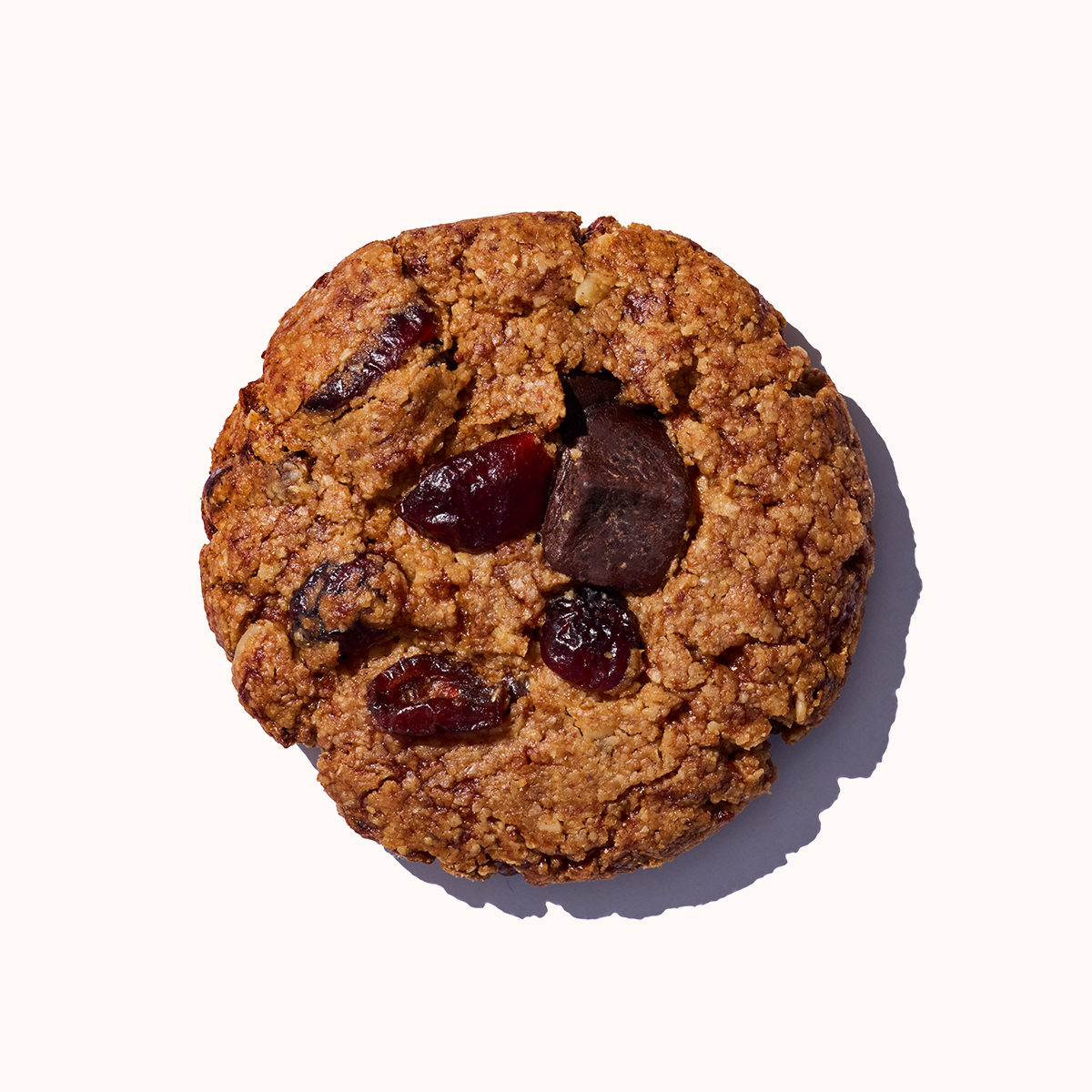
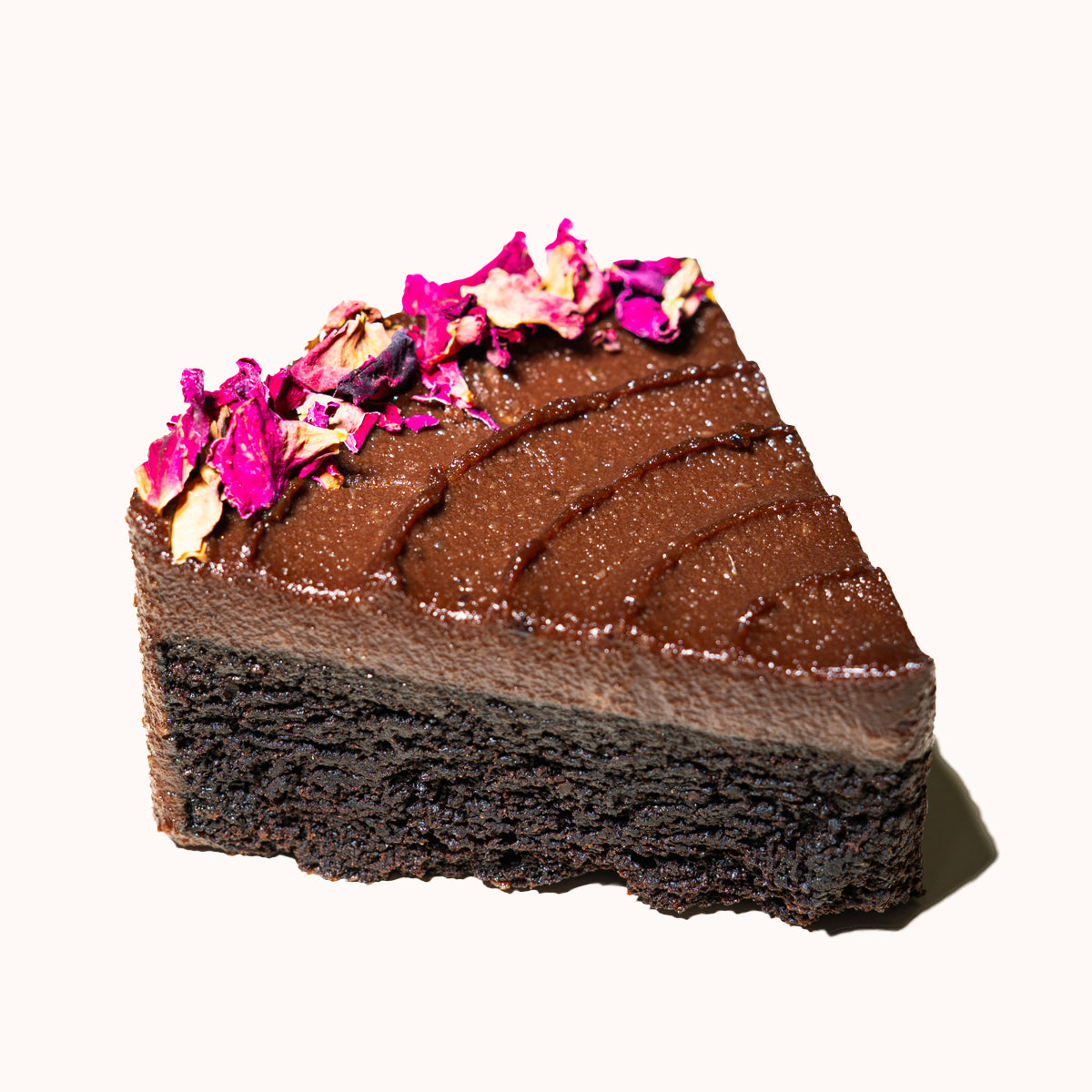
If you want to buy gluten-free bread in Bangalore, Mumbai, or Hyderabad, The Cinnamon Kitchen is one of the best places for you, as we deliver PAN India. We also have gluten-free, refined sugar-free, and preservative-free products, including gluten-free cookies and gluten-free cakes.
Myths About Gluten-Free Bread
You must have heard some myths about gluten-free bread. Let’s debunk some of those myths:
-
Not For Everyone
Even though people with few dietary restrictions, like gluten sensitivity or celiac disease, tend to consume gluten-free bread, anyone can eat it. The health benefits of gluten-free bread are for everyone. If you want a light and gut-friendly alternative to regular bread, gluten-free bread is ideal for you.
-
Gluten-Free Doesn’t Mean Low-Calorie
Mainstream gluten-free bread is made using rice or tapioca flour, which can be higher in calories. (3) However, gluten-free bread made at The Cinnamon Kitchen contains millet flour, oats, and psyllium husk, which makes our bread healthier and fiber-rich. It keeps you full for a longer time, thanks to its high fiber content.
-
Gluten-Free Bread Is Always Dry And Crumbly
This myth is rooted in the earlier practices of making gluten-free bread. But now, it does not hold the ground anymore! Binders like psyllium husk are used to make the bread moist and fluffy.
Bottom line is, gluten-free bread is good for you, and if you choose the right bakery, you won’t even feel the difference in texture or taste.
Why Choose The Cinnamon Kitchen’s Gluten-Free Breads?
If you are searching for ‘gluten-free bread near me’, The Cinnamon Kitchen is one of the best bakeries to buy gluten-free bread and other gluten-free snacks. Made in small batches, our products are fresh and preservative-free. We do not use refined sugar or maida.
Plant-based for PCOS doesn’t actually have to be boring or bland… Nope! Not here. We’re talking rich & decadent gluten-free cookies, refined-sugar-free desserts, plant-based snacks that will actually satisfy your sweet tooth without sending your blood sugar spiraling.
In fact, most of our customers say they hardly notice a difference when they switch to our PCOS-friendly desserts. In fact, they’re genuinely surprised how much better they taste!
Managing PCOS is not just about taking a pill. It’s about living a lifestyle that works for you, and it starts with what is on your plate. The Cinnamon Kitchen delivers gluten-free bread only in Delhi NCR, and PAN India during winters. So, visit our website and place your order today!
FAQs
1. Is gluten-free bread anti-inflammatory?
Gluten-free bread does not directly reduce inflammation; however, it does not cause inflammation in your gut. So switching to gluten-free bread might help to ultimately reduce inflammation.
2. Where to get gluten-free bread?
You can buy gluten-free bread from The Cinnamon Kitchen, the most loved gluten-free bakery in Delhi. Unlike ultra-processed breads, their gluten-free bread is handmade in small batches to keep the freshness and nutritional value intact.
3. Does gluten-free bread have wheat?
No, gluten-free bread does not contain wheat. Wheat has gluten, so gluten-free breads do not use wheat flour.
4. Can gluten-free bread cause acid reflux?
No, gluten-free bread does not cause acid reflux. In fact, it is known to reduce gas and bloating. If you feel acidity after eating gluten-free bread, it is probably that you were hungry for a long time, or the acidity was triggered by something else you ate.
5. Does gluten-free bread cause constipation?
No, not at all. Gluten-free bread is rich in fiber, which actually helps with constipation. Eating gluten-free bread is beneficial for your gut.
