


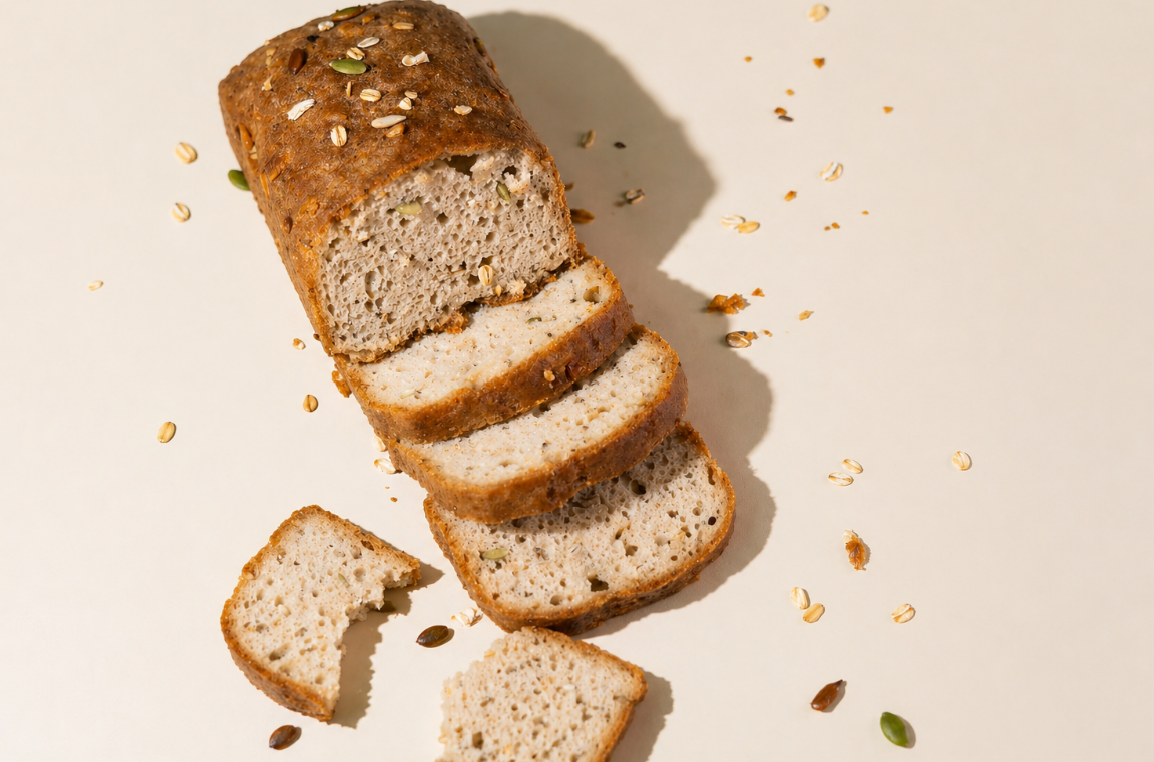
A 2013 study, conducted by the U.S. Food and Drug Administration (FDA) found that 65% of American adults think gluten-free foods are healthier, and 27% choose gluten-free food for weight loss.
Today, more than a decade later, people still misunderstand what gluten actually does, and many follow a gluten-free diet for weight loss when they don't need to.
So, in this blog, we will bust all the myths around gluten-free diet, its benefits, and who should follow a gluten-free diet.
What is Gluten?
Gluten is a protein found in wheat, barley, and rye. That's what makes dough stretchy and helps bread to rise. Gluten is present in foods like roti, bread, pasta, biscuits, and many packaged snacks.
The reason for the confusion around "What is gluten and why is it bad?" is that gluten is really bad for some people but not all. Most people just process gluten like any other protein without any problems.
What is gluten free diet?
A gluten free diet is basically a diet that does not contain wheat, maida, or any food that contains gluten.
This includes obvious sources like gluten free bread and pasta but also hidden ones like sauces, soups, and processed foods where gluten may be used as a thickener.
Who Should Consider a Gluten-Free Diet?
Gluten free food benefits people who need it most, those with celiac disease, sensitivity, or a wheat allergy, while remaining a safe, optional choice for everyone else
- People with celiac disease: An autoimmune condition where gluten damages the small intestine.
- Gluten Intolerance or Sensitivity: Results in bloating, fatigue, or gastrointestinal problems.
- Wheat allergy: An allergic reaction triggered by wheat proteins
- Non-celiac Gluten Sensitivity (NCGS): People can be gluten intolerant without suffering from celiac disease.
If you don’t fall into these categories, cutting out gluten is just optional for you.
Is a Gluten-Free Diet Healthy for Everyone?
Are gluten-free foods healthier? A gluten-free diet is not a weight loss hack. It is a necessity for people who cannot eat gluten. For the rest, it is completely optional.
Naturally gluten-free foods like fruits, dals, vegetables, and rice are good for everyone. You can also find wholesome options from a gluten-free bakery that focuses on clean, high-quality ingredients. But simply choosing products labelled gluten-free will not, on its own, make a drastic difference to your health.
You need to understand this:
Crackers made from cornflour are not healthy despite being gluten-free. At the same time, crackers made from oat flour or millets are healthy as well as gluten-free.
‘Gluten-free does not guarantee healthy. You need to understand the ingredients, instead of falling for just a tag.
If you really want to make healthy choices and get all the benefits of gluten free diet:
- Go for maida-free options
- Choose vegan options
- Look for refined sugar-free snacks
- Avoid snacks with preservatives and palm oil
These things will make a real difference in your health.
Gluten Free Diet vs Regular Diet: Key Differences
The main difference between a gluten free diet and a regular diet is in the choices of food and restrictions.
The regular diet includes whole grains, such as wheat, which provide fibre, B vitamins, and energy. A gluten-free diet avoids these grains and replaces them with substitutes.
A well-balanced gluten-free diet made up of whole natural foods can be just as nutritious as a regular diet.
Pros and Cons of a Gluten-Free Diet
Here are the pros and cons of a gluten-free diet that you need to keep in mind.
|
Pros |
Cons |
|
Necessary for particular health problems Gluten-free diets are required for those with celiac disease, gluten sensitivity, or a wheat allergy in order to prevent serious medical problems. |
Not necessary for everyone If you do not have a sensitivity problem, eliminating gluten may not offer any additional benefits. |
|
Helps with digestion and bloating This can help you with digestive problems, especially if you have sensitivity or PCOS-related gut issues. |
Limited options in social settings Unfortunately, your food options become very limited, as much food usually contains gluten. Thus, eating out or eating while travelling may require extra effort. |
|
Supports hormonal balance Gluten-free diets are usually based on wholesome, balanced food choices that may help control blood sugar levels. |
Requires more mindful planning |
|
Encourages variety in grains and food items A gluten-free diet helps you choose healthy options like jowar, bajra, quinoa, and rice rather than depending only on wheat. |
Can lead to nutrient gaps if not planned well If you exclude wheat from your diet without incorporating other foods such as millets, legumes, nuts, and seeds, it can create nutritional deficiencies, like reducing the fibre quantity in your body. |
Common Myths About a Gluten-Free Diet
There’s a lot of misinformation around gluten. Let’s clear a few popular myths:
- Myth 1: Gluten-free means healthier
Just because something is labelled “gluten-free” doesn’t make it nutritious.
- Myth 2: Gluten causes weight gain
Weight gain is linked to excess calories, not gluten itself.
- Myth 3: Everyone should avoid gluten
Unless you have a medical condition, there’s no need to cut it out.
- Myth 4: Gluten-free diets are better for digestion
Only true for people who are sensitive to gluten.
Facts About a Gluten-Free Diet
Here are some of the facts about gluten-free diets:
- About 1% of people have celiac disease: That is to say, a strict gluten-free diet is a medical necessity for a small percentage of the population, not everyone.
- Gluten sensitivity affects a slightly larger population (about 3–6%): they may have bloating, fatigue, or discomfort after eating gluten, even if they do not have celiac disease.
- Gluten itself is not harmful for most people: For most people, gluten is just a protein in grains that isn't harmful or fattening.
- Many common foods are naturally gluten-free: You don’t need any special products to get your daily staples like rice, dals, fruits, vegetables, milk, eggs and nuts gluten-free.
- Gluten-free doesn’t automatically equal healthier: A gluten-free label only tells you what is not in the food, not how nutritious it is. Overall ingredient quality is still a thing.
FAQs
1. Who should consider a gluten-free diet?
If you suffer from celiac disease, gluten intolerance, or a wheat allergy, you should definitely consider a gluten-free diet.
2. Are all gluten-free products nutritionally superior?
No, not all gluten-free products are nourishing. Gluten-free cakes can still be high in refined sugar and oil if you choose the wrong brands. This is why it is important to choose preservative-free, refined-sugar-free products and not just gluten-free products.
3. Can gluten-free foods help in weight loss?
Some gluten-free products can help in weight loss; it all depends on the gluten-free alternative used in the product. Foods made from almond flour, oat flour, or millets are usually healthier and help in weight loss.
Just make sure you choose refined sugar-free products.
4. Who should avoid gluten?
People with gluten intolerance and celiac disease should avoid gluten.
Popular Searches
Gluten Free Bread | Best Granola | Gluten Free Snacks | Nut Butter | PCOS Friendly Snacks | Keto Snacks India | Vegan Dark Chocolate
Popular Blog
Which Biscuit is Good for Diabetes | Best Pre Workout Vegetarian Meal | PCOS Friendly Desserts | Substitute of Sugar | Dark Chocolate Benefits for Women
