


In This Article
Why Do Some Snacks Leave You Hungry So Quickly?
How The Cinnamon Kitchen Fits Into Smarter Snacking
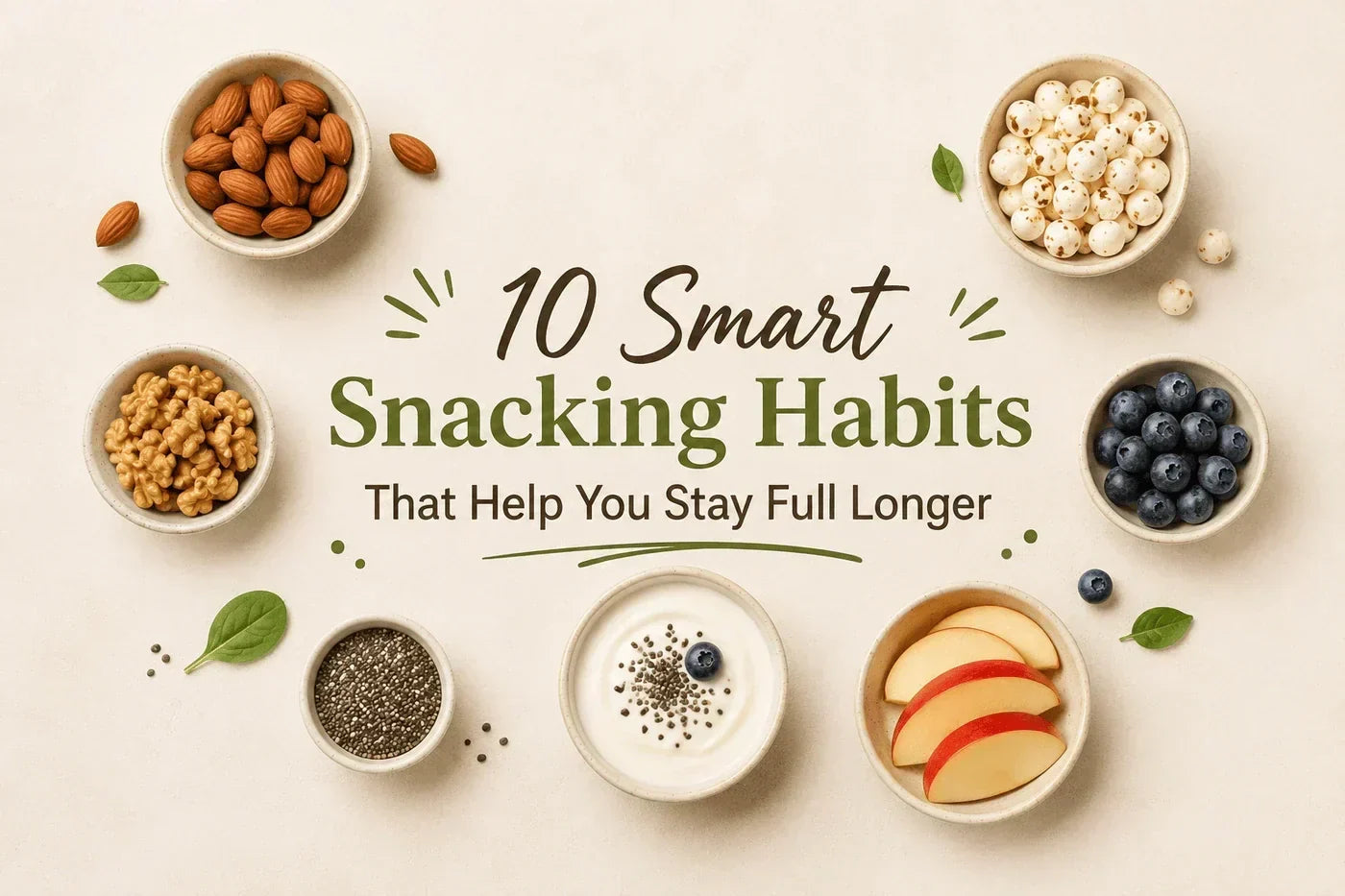
Snacking is viewed negatively in society, but truth be told, it really does not need to be an issue. The problem with snacking isn't the act of doing it. It is what kind of food you choose to snack on, and in what quantity, and whether your choice of snack gives you energy or makes you crave more 20 minutes later.
It happens to all of us at some point. You grab some food on the go between meetings, during an extended working day, or even while watching TV. The food may taste great for a few moments, but soon enough you start feeling hungry again or even sleepy and wanting to eat some sugary food. This usually indicates that the snack had plenty of sugar and carbohydrates, but not enough fiber, protein, and good fats.
Healthy snacking should include choosing foods that will satisfy you and provide constant energy. All it takes is adopting a couple of healthy snacking habits, and you can snack all you want guilt-free.
Why Do Some Snacks Leave You Hungry So Quickly?
All snacks are not created equal. While a snack containing refined flour and sugar can energize you instantaneously, it rarely ensures that you stay full longer. This is due to the fact that such a snack digests quickly, resulting in an initial boost followed by a dip in energy levels.
A balanced snack generally contains one or more of the following components:
- Fiber: This component slows down the digestion process, making you feel satiated for longer.
- Protein: Proteins contribute to satiation while decreasing constant cravings.
- Healthy Fats: Fats increase the level of satisfaction from the snacks.
- Whole Foods: Whole foods are nutritionally superior to highly processed alternatives.
Thus, it is no surprise that snacks like nuts, seeds, high protein cookies, and granola bowls tend to leave one feeling more satiated than regular biscuits and snacks.
1. Start With Protein
One of the easiest ways of making healthy snacks is adding protein to your snack, which will give you a feeling of satiety and help you avoid eating another snack. It doesn’t mean that each of your snacks must be a protein bar. You just have to choose one of those options below:
- Nut butter sandwich
- Yoghurt with granola
- Roasted chana
- Trail mix with nuts and seeds
- Protein cookie
- Hummus with crackers
As an example of a sweet snack that still gives you a good amount of protein, you may consider Almond Flour & Cacao Cookie from The Cinnamon Kitchen, which contains 7.8g protein and is rich in almond flour and almond butter.

2. Do Not Ignore Fibre
Fibre is one of the essential nutrients that should form part of our diet, specifically when talking about satiety.
The following are some of the foods rich in fibre content:
- Oatmeal
- Millet
- Seeds
- Nuts
- Fruits
- Vegetables
- Whole grains
- Legumes
A healthy snack option for breakfast or morning is granola with nuts, seeds, and better grains. Granola with yoghurt, milk, or fruits would be much more satiating compared to some sweet cereals or biscuits. The principle here is very simple: make sure that you choose snacks that will have something more to offer besides taste.

3. Pair Carbs With Fat Or Protein
Carbs aren't the enemy. The problem is when we consume refined carbs alone. A plain sugary snack may taste good, but it can leave you wanting more very quickly.
A smarter way to snack is to combine carbs with healthy fats or protein.
For example:
- Apple slices & peanut butter
- Crackers and Hummus
- Yoghurt and granola
- Cookies with nuts or almond meal.
- Nut Butter Toast
- Dates with a nutty touch
The combo makes the snack more balanced and helps you feel fuller for longer. And it makes snacking more satisfying, so you’re less likely to overeat later.
4. Practice Portion Control Without Making It Stressful
Portion control is not about eating tiny portions. It just means serving yourself a portion that will satisfy you, without turning a snack into a meal.
Two science-backed tricks to help: pre-portioning and using smaller plates or bowls. Study indicates that bigger portions lead to increased intake, whereas smaller portion sizes and portion control tools can assist us in reducing intake.
Put your snack in a small bowl rather than eating it out of the packet, or follow the one-portion rule: put one cookie, a small handful of nuts or a few crackers on your plate before you start.
5. Choose Snacks That Actually Taste Good
Snacking healthily shouldn’t be a punishment. When your snack tastes boring, bland, or too restrictive, you are more prone to want something else immediately afterwards.
A smart snack should be fun and satisfying. That’s where taste and texture come in. Crunchy crackers, gooey cookies, rich fudge, nut butters - and chocolatey snacks - can all be part of healthy eating when made with better ingredients.
That’s also the idea behind The Cinnamon Kitchen. Our snacks are comforting and delicious, made without refined sugar, dairy, preservatives, or artificial additives, and are gluten free. So you’re not sacrificing flavor for higher quality ingredients. You get both of those.

6. Keep Better Snacks Around
Most unhealthy snacking happens when we’re too hungry and haven’t planned. When all we have to hand are plain biscuits, chips or sugary snacks, we naturally gravitate towards them.
It’s a smart habit to stock your desk, bag, or pantry with better options. Some of the better snacks to keep near you are -
- Millet crackers
- Nut and seed crackers
- Granola
- Nut butters
- Energy bites
- Dark chocolate treats
- Protein-rich cookies
- Roasted nuts
- Fruit with peanut butter
7. Watch Out For “Healthy” Snacks That Are Still Sugar-Heavy
Not everything that looks healthy is balanced. Many snacks use words like natural, baked or multigrain, but still may be loaded with refined sugar, artificial additives or refined flour.
A good habit is to give the ingredient list a quick check. Choose snacks made with real ingredients and steer clear of long ingredient lists that are difficult to decipher.
Notice if you can:
- Is refined sugar the first item on the ingredient list?
- Mostly maida or white flour?
- Does it contain artificial additives or preservatives?
- Is it packed with fiber, protein, or healthy fats?
- Is it made with nuts, seeds, millets, oats, or whole ingredients?
This little habit can make a big difference in the snacks you choose each day.
8. Have a Snack Before You Get Too Hungry
If you wait until you are starving, you are likely to overeat. If you’ve already crashed your energy, it’s harder to choose balanced. Instead, listen to your body’s natural hunger signals. If you usually get hungry at 4 PM, have a snack before 4 PM. It could be a protein cookie, a handful of nuts, crackers with dip, or a small bowl of granola. Planned snacking supports better healthy eating because you are picking calmly, not grabbing whatever is closest.
9. Build Snacks Around Your Day
Your snack needs to fit your routine. A morning snack, an office snack and a post-dinner treat don't have to look the same. For mornings, have something filling like granola, nut butter toast, or fruit with nuts.
For office breaks, try something simple like crackers, cookies, or energy bites. If you're craving something sweet, opt for something made with dates, nuts, cacao, or better sweeteners.
If you’re having chai in the evening, get some savoury crackers or a small cookie that does not feel too heavy. So, the more your snacks work with your lifestyle, the easier they are to follow.
10. Don’t Feel Bad About Snacking
The point of smart snacking is not to be perfect. It's about making better choices, mostly. Some days you might want something sweet. Some days you want something crunchy. Perhaps you're between meetings and need a quick bite. That is what you would expect.
The trick is to find snacks that give you flavor, comfort, and better ingredients. Snacks can absolutely fit into a healthy eating routine when they are made with healthy ingredients, have fibre or protein and are portioned well.
How The Cinnamon Kitchen Fits Into Smarter Snacking
At The Cinnamon Kitchen, we make snacks for people who want better options on an everyday basis but don’t want to compromise on taste. We do almond flour cookies, millet crackers, granola, fudge, nut butters… Everything is made with thoughtful ingredients and no shortcuts.
Our range is gluten-free, has no refined sugar, dairy, preservatives or artificial additives. So whether you're looking for healthy office snacks, a chocolate fix, a breakfast crunch or something to have with your chai, there is something that fits into your routine.
Smart snacking can be simple. It’s just got to be more intentional.
Conclusion
When it comes to healthy snacking, it’s all about picking foods that fill you up, give you energy and keep you satisfied. “Focus should be more on fibre, protein, healthy fats, portion control and thoughtful ingredients. As you start swapping out small things, snacking becomes less about guilt and more about supporting your day. So, pick snacks that taste good, feel good and will help you be consistent with healthy eating.
FAQs
1. What are healthy snacking habits?
Healthy snacking is about making snacks that are high in fibre, protein or healthy fats, portion control, avoiding choices that are high in refined sugar and eating mindfully, not out of boredom.
2. How can I make my snacks more filling?
Pair your carbs with a protein or healthy fat. For example, try millet crackers with hummus, fruit with nut butter or granola with yoghurt or a protein cookie made with almond flour and nuts.
3. Is snacking bad for weight management?
Snacking itself is not a bad thing. It depends on the quality and quantity of the snack you choose to have. Snacks can help keep hunger in check and keep meals from getting out of hand.
4. How does portion control help with snacking?
You can enjoy your snack with portion control without over eating. Portioning snacks into bowls or single-serve portions can help you be mindful.
5. What should I look for in a healthy snack?
Look for thoughtful ingredients, fibre, protein, healthy fats and very little in the way of artificial additives. Stay away from snacks that are mostly refined flour, refined sugar, or preservatives. If you are looking for healthy online snacks, try The Cinnamon Kitchen. We make each of our products with healthy and naturally gluten-free ingredients.
Popular Searches
Gluten Free Bread | Best Granola | Gluten Free Snacks | Nut Butter | PCOS Friendly Snacks | Keto Snacks India | Vegan Dark Chocolate
Popular Blog
Which Biscuit is Good for Diabetes | Best Pre Workout Vegetarian Meal | PCOS Friendly Desserts | Substitute of Sugar | Dark Chocolate Benefits for Women
