


PMOS is estimated to affect around 1 in 8 women globally. This number rightly depicts that it is quite common among females. So, if you have recently been diagnosed with this condition, you are not alone.
Whether it is an issue with your period or a problem with gaining excess weight, having PMOS affects your life significantly. However, there is hope for improvement since making even small changes in your diet and lifestyle can help.
Here in this blog we will talk about the symptoms of PMOS, the best PMOS diet, the foods that help to control the symptoms, the foods that you need to stop eating, and the necessary lifestyle changes.
What Is PMOS?
PMOS (Polyendocrine Metabolic Ovarian Syndrome) is a hormone- and metabolic-related condition and not just related to the ovaries. Formerly known as PCOS, are got recently renamed in 2026 as PMOS. This condition is characterised by imbalanced reproductive hormones resulting in problems with ovulation, increased male hormones (androgens), and insulin resistance. Some of the common PMOS symptoms include:
- Irregular or missed periods
- Excess facial/body hair growth
- Acne and oily skin
- Losing weight difficulties
- Weight gain, particularly in the abdominal region
- Fatigue and lack of energy
- Sugar cravings
- Mood swings
- Thinning/hair loss
- Infertility problems
Note: The effects of PMOS differ from one woman to another.
Why Diet Matters for PMOS
Food is key to managing PMOS effectively. Since many women with PMOS suffer from insulin resistance, it is vital to avoid high sugar intake because of its ability to cause more harm. Foods that help manage blood sugar also help regulate energy, hormones, hunger, and weight.
Some of the key aspects of an optimal diet for weight management in PMOS are:
- High-protein foods
- Fiber-rich carbohydrates
- Healthy fats
- Less processed food products
- Regular timing of meals.
Best Foods for PMOS
Ensure your diet contains a variety of food types that offer protein, fibre, and healthy fats for a PMOS diet.
1. High-Protein Foods
We are well aware of the importance of protein in one's diet. One of its essential functions is to keep you feeling fuller for extended periods and simultaneously help in controlling blood sugar levels.
Some of the good protein sources are:
- Lentils and legumes
- Tofu and tempeh
- Eggs
- Greek yoghurt
- Nuts and seeds
- Nut butters

2. Fibre-Rich Foods
Fibre is an essential part of a balanced meal. It helps in slowing down digestion and minimises quick increases in blood sugar levels.
Food examples:
- Millets
- Oats
- Quinoa
- Vegetables
- Berries
- Chia seeds
- Flax seeds
3. Healthy Fats
Healthy fats assist in the production of hormones and satiety.
Food examples:
- Almonds
- Cashews
- Walnuts
- Olive oil
- Avocados
- Peanut butter
4. Anti-Inflammatory Foods
Women with PMOS have chronic low-grade inflammation.
Food examples:
- Berries
- Leafy greens
- Turmeric
- Nuts
- Seeds
- Extra virgin olive oil
The foods for PMOS help supply essential nutrients.
Foods to Avoid With PMOS
Although there is no specific food item that one needs to avoid at all times, avoiding some foods will definitely help in maintaining better control over blood sugar levels, reducing inflammation, and managing PMOS better.
-
Refined Sugar Foods/Drinks
These kinds of foods tend to increase blood sugar levels rapidly. Moreover, these may contribute to increased insulin resistance as well.
-
Refined Flour Foods
Products containing flour, such as maida, can include foods like white bread, pastries, etc. These foods may have very little fibre and, hence, make you feel hungry sooner rather than later.
-
Ultra-Processed Foods
Most of these kinds of foods tend to have added sugar, oils, preservatives, or artificial ingredients, which are likely to cause inflammation.
-
Sugar-Sweetened Beverages
These kinds of beverages will tend to increase the blood sugar level within a short period of time and are unlikely to satisfy hunger for a prolonged period of time.
-
Fried and Fast Food
Frequent intake of fried foods and fast food items is likely to cause inflammation and will make it difficult for you to maintain body weight and insulin resistance.
Lifestyle Changes That Support PMOS Management
Food is just one aspect of the bigger picture. The most beneficial lifestyle changes for PMOS include the following:
- Movement: Exercising boosts your insulin sensitivity and assists you in managing your weight. Some of the exercises that one can include in daily life are walking, weightlifting, yoga, Pilates, and cycling.
- Sleep Well: Lack of sleep will increase your risk of developing insulin resistance and hunger hormones. Try to get 7–9 hours of good sleep each night.
- Stress Management: Stress can affect the levels of your cortisol hormone. Good examples of managing stress include meditation, journaling, breathing, spending time outside, and building balanced meals.
Do not stress about restricting your diet, but try to build your meals around proteins, fibre and fat.
PMOS-Friendly Snacks That Make Better Choices Easier
The difficult aspect of being on a PMOS diet is making the healthy choices to follow it all the time. This is where having healthy snacks around will be able to close the gap between intention and action. The Cinnamon Kitchen offers products that are not just healthy but are perfect for females dealing with PMOS. Some of the products include:
-
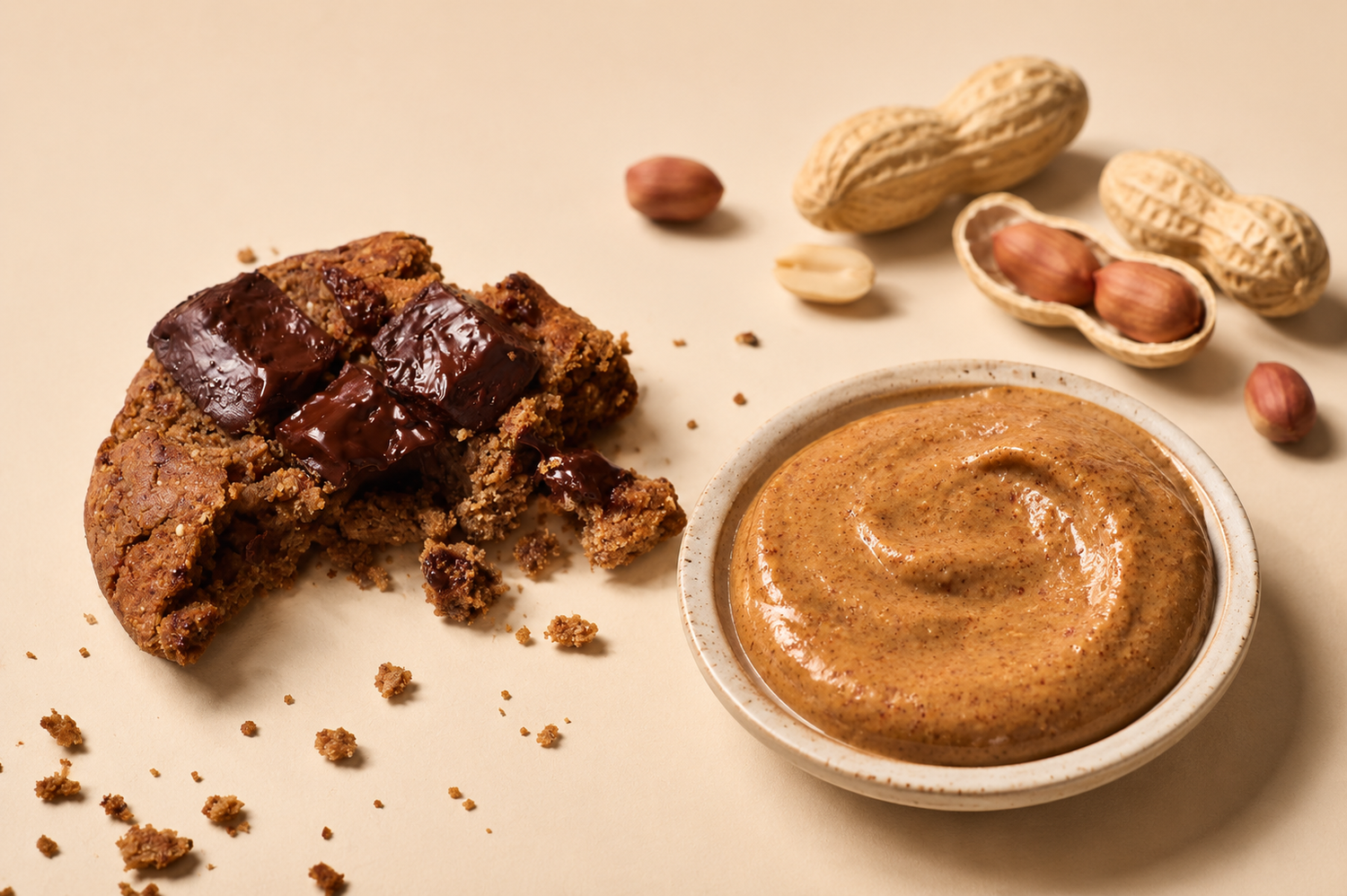
Almond Flour & Cacao Cookie
Using almond flour and dark vegan chocolate, this cookie includes healthy fats that come from almonds and is a healthier alternative to normal cookies that use refined flour.

-
Berry & Banana Millet Granola
This berry & banana millet granola uses millets and amaranth puffs, which contain fibre; almonds; cacao nibs; and freeze-dried fruits for texture and nutrition with added fibre.

-
Nut Butters
We have various kinds of peanut and almond butters, which contain high-quality ingredients and are perfect to be used with fruits, smoothies, or oats for nutritious snacks.
-
Cacao, Hazelnut & Date Fudge
Containing hand-pitted dates, dark chocolate, and hazelnuts, this healthy fudge gives you a chance to eat something sweet while also getting healthy fats from nuts.

All our products are PMOS-friendly food options made in a dedicated gluten-free facility and are crafted without artificial additives or preservatives.
Conclusion
The PMOS approach is not one of perfection but of making better decisions on a regular basis. Making sure that there is a good emphasis on proteins, fibres, healthy fats, and foods with minimal processing will enable one to achieve stability in energy levels and hormones. Sometimes, it is the small things that really make a big difference, which explains why having better choices is important.
This is where The Cinnamon Kitchen steps in by offering healthful snacks and desserts that contain natural sweeteners and nutrients packed into whole grains, nuts, seeds, and other natural ingredients, all of which have been prepared in our own gluten-free facility using no artificial preservatives or additives whatsoever. Healthy eating shouldn’t just be healthy; it should also be enjoyable and sustainable.
Frequently Asked Questions
1. At what age does PMOS usually develop?
PMOS typically emerges in the late teenage years or early twenties, though it can emerge anytime during the reproductive years. Some women do not know that they have PMOS until they have irregular periods or find it hard to conceive.
2. Does everyone with PMOS have ovarian cysts?
Not really. Contrary to what the former name implies (Polycystic Ovary Syndrome), women who suffer from PMOS do not always get ovarian cysts. There are plenty of cases where diagnosis happens because of the presence of symptoms.
3. Can women with PMOS have regular periods?
Not necessarily. Though one of the most prevalent indicators of PMOS is irregular periods, some women have regular menses even while suffering from PMOS, including symptoms like acne and increased levels of androgens.
4. Is weight gain necessary for a PMOS diagnosis?
Not at all. Though being overweight can be an indicator of PMOS, there are women who have a perfect body weight or even those who are very lean. Insulin resistance and hormonal imbalance are independent of body weight.
5. Can PMOS affect mental well-being?
Yes. Women suffering from PMOS tend to feel stressed, anxious, and downcast because of hormonal imbalances and physical signs of the condition. Besides receiving appropriate treatment for PMOS, it is important to focus on sleep, exercise, relaxation, and healthy eating habits.
Popular Searches
Gluten Free Bread | Best Granola | Gluten Free Snacks | Nut Butter | PCOS Friendly Snacks | Keto Snacks India | Vegan Dark Chocolate
Popular Blog
Which Biscuit is Good for Diabetes | Best Pre Workout Vegetarian Meal | PCOS Friendly Desserts | Substitute of Sugar | Dark Chocolate Benefits for Women
