


In This Article
- What Is Gluten Intolerance? Gluten Intolerance Meaning
- What are the Causes and Symptoms of Gluten Intolerance?
- How is Gluten Intolerance Diagnosed and Treated?
- Foods to Eat with Gluten Intolerance
- Gluten Intolerance: What Not to Eat?
- Tips for Managing Gluten Intolerance in Daily Indian Life
- Conclusion
- FAQs
Living with gluten intolerance is not just about avoiding certain foods, but about dealing with the daily discomfort. The bloating after meals, the random exhaustion, the constant second-guessing of what you ate; it can be frustrating.
In India, this struggle feels even more real, as staples like roti, paratha, bread, and most snacks are gluten rich Indian foods. So, obviously, people with gluten intolerance have limited options, which are often bland. It’s not just about food choices; it’s about convenience, social situations, and feeling left out.
But the good news is that a gluten intolerance diet doesn’t have to be restrictive. With a good understanding of gluten foods in India, what is gluten intolerance and hands on the best gluten free snacks online, you can still enjoy a wide variety of foods without sacrificing taste or comfort. In this blog, we’ll break down how to know if you have a gluten intolerance, gluten free foods you can eat, what to avoid, and how to make it easier on a day-to-day basis.

What Is Gluten Intolerance? Gluten Intolerance Meaning
Gluten intolerance means a condition in which your body cannot properly digest gluten. Gluten is a type of protein found in wheat, barley, and rye.
People with gluten intolerance may experience bloating, gas, and other digestive issues after eating foods containing gluten.
What are the Causes and Symptoms of Gluten Intolerance?
Some people have sensitivity to gluten because of Celiac disease or wheat allergy, but non-celiac gluten sensitivity (NCGS) is more common in India.
Gluten intolerance symptoms vary from person to person. Gluten intolerance symptoms or gluten sensitivity symptoms can range from mild digestive discomfort to persistent fatigue depending on the individual. Recognising the early signs of gluten intolerance can help you make informed dietary choices. Some of the other symptoms are:
- Bloating and stomach discomfort
- Gas or indigestion
- Fatigue after meals
- Headaches
- Skin irritation in some cases
How is gluten intolerance diagnosed and treated?
If your gluten intolerance is caused by Celiac disease, doctors can diagnose and help you manage it. However, in many cases, diagnosis and treatment aren’t so straightforward.
If you have gluten sensitivity, the best treatment is to follow a gluten free diet that has a lot of gluten free options in it. This means avoiding foods that contain gluten and focusing on alternatives that are easier on your system. Once you remove gluten, most people notice a significant improvement in symptoms.
Gluten Free Food List in India: Foods to Eat with Gluten Intolerance
People often search for foods to eat with gluten intolerance. Several gluten-intolerant foods you can eat and can be a part of your diet.
1. Fruits and vegetables
All fruits and vegetables are naturally gluten-free. Add them to your diet as they have many other health benefits apart from just being the best gluten free food options, like antioxidants, vitamins, and minerals.
2. Pulses and Legumes
Dal, chana, rajma, and lentils are all safe and highly nutritious. Theyre a staple in Indian households and a great protein source. You can include these gluten free foods in your gluten-intolerant meal plans.
3. Gluten free Grains
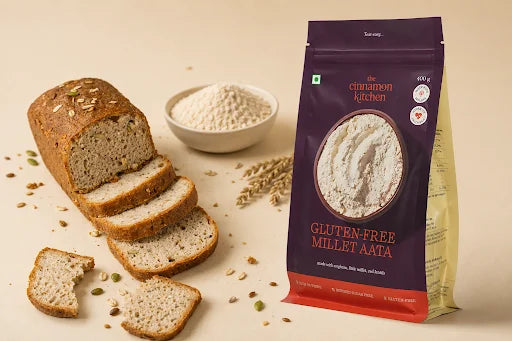
When it comes to gluten rich Indian foods you just cant miss rice, jowar, bajra, and ragi are excellent alternatives to wheat. You can easily switch to these for rotis and meals. Or, you can also try gluten free atta from The Cinnamon Kitchen, which is made using millets and has a lower glycemic index.

At The Cinnamon Kitchen, you can find gluten free millet bread, cakes, healthy cookies, and more healthy snacks that you can enjoy even if you are gluten intolerant.

4. Nuts & Seeds
Almonds, walnuts, cashews, chia seeds, flax seeds, and pumpkin seeds are naturally free of gluten. They are an easy way to add a crunch to your bowl of curd and also pack protein to your meal. You can have them roasted, soaked, or blended into butter. If you are preparing a gluten free foods list these are a must to have in it.
5. Dairy products
Milk, curd, paneer, and ghee are all safe. Plain dairy also does not contain gluten. The one thing worth watching here is flavored or packaged dairy, since some brands can sneak in wheat-based stabilizer or thickener.
Gluten Rich Foods in India to Avoid
Things can get a little tricky here because gluten-rich Indian foods are everywhere in a typical Indian kitchen. You have your roti, naan, paratha, puri, and bhatura. All of this uses wheat flour as the main ingredient, which makes them off-limits. There's also a wider net of gluten in Indian food like samosas, kachoris, most bakery biscuits, and even semolina-based dishes like upma or ravai dli. Soy sauce is also brewed with wheat, despite looking perfectly harmless. In a nutshell, anything that is fried, baked, or rolled out from a dough is worth checking.
Gluten Intolerance: What Not to Eat?
Here’s a list of foods to avoid if you have gluten intolerance:
1. Wheat-based Food
Wheat is rich in gluten, so you should avoid roti, bread, paratha, or anything made from wheat flour. Not just wheat flour, you should also avoid daliya or other wheat-based foods.
2. Maida-based foods
Maida is the ultra-processed form of wheat flour. It has very high amount of gluten, making it the worst choice for people with gluten intolerance.
3. Packaged snacks
Almost all packaged snacks available in India are made from maida. From biscuits and cookies to bakery items, all the packaged snacks contain gluten. These are among the top foods to avoid if you have gluten intolerance. Some packaged foods may also contain hidden sources of gluten in the form of wheat starch, malt extract, or thickening agents, so always read ingredient labels carefully.
4. Soy sauce
This might be an unexpected item in the list of gluten intolerance what not to eat, but many soy sauces available in the market contain wheat.
In the end, many packaged foods contain gluten even when they don't appear to be wheat-based.
Examples include:
- Malt vinegar
- Malt extract
- Some breakfast cereals
- Instant soups
- Packaged sauces
- Soy sauce
- Readymade gravies
- Seasoning mixes
- Processed meat products
Always check labels before purchasing.
Tips for Managing Gluten Intolerance in Daily Indian Life
Managing gluten intolerance is not too complicated if you know these tips:
-
Use easy swaps
Instead of cutting a food entirely from your diet, use its alternatives. Wheat flour can be easily swapped with millet flour or oat flour. You can also replace regular spreads with Almond Butter, Nut Butter, or Healthy Peanut Butter for a more balanced snack option.

-
Don’t punish yourself
A restrictive diet can feel like punishment. You deserve treats here and there. Thats where The Cinnamon Kitchen the best bakery website comes into the picture. From gluten-free brownies to healthy granola cereal, you can find gluten-free ready-to-eat snacks here.If you're searching for gluten-free snacks India, choosing snacks made with millets, nuts, or naturally gluten-free ingredients can make healthy eating much more enjoyable.

-
Plan your meals ahead
A little planning helps avoid last-minute confusion and ensures you always have safe, tasty options ready. Building a weekly gluten intolerant meal routine can make daily eating easier and stress-free.
-
Prevent cross-contamination
Use separate cutting boards, cooking utensils, and containers to avoid any cross-contamination in your kitchen.
Can Gluten Intolerance Go Away?
- Celiac disease - lifelong
- Wheat allergy - may improve in children
- Gluten sensitivity - varies from person to person
Gluten Free Food Options for Everyday Indian Meals
To build a gluten-free diet in India is easier than you think. Once you know where to look, you can definitely buy the right things. Take a look at this gluten-free food list that is perfect for getting you started.
- Rice; plain, steamed, or fermented into idli and dosa batter, rice is naturally gluten-free and endlessly versatile.
- Millets like jowar, bajra, and ragi work beautifully as roti substitutes, and they come with lower glycemic index.
- Pulses and legumes like dal, chana, and rajma are pantry staples that also happen to be some of the safest, most protein-rich gluten free foods.
- Fruits and vegetables are gluten-free by nature and worth loading up on.
- Nuts and seeds like almonds, cashews, chia, and flax add crunch, healthy fats, and a satisfying bite to any meal.
- Gluten-free flours like oat flour, almond flour, and rice flour are reliable swaps when a recipe calls for regular wheat flour.
- Dairy like milk, curd, and paneer are naturally gluten-free.
Conclusion
Gluten intolerance should not mean you cant enjoy your favourite meals and desserts. The Cinnamon Kitchen, one of the top 10 bakeries in Delhi understands the need for gluten-free snacks and treats in India. This is why we offer gluten-free bakes, millet cookies, and gluten-free savoury snacks. You can order our millet-based snacks anywhere in India. Plus, our gourmet delicacies are free from refined sugar and preservatives.
You can also choose a healthy gift hamper as a thoughtful option for someone who prefers gluten-free and mindful eating.
So, dont let your gluten intolerance take away the flavours from your life.
FAQs
1. What Indian food is high in gluten?
Roti, paratha, bhatoore, and everything else made from wheat are high in gluten. If you have gluten intolerance, you should avoid these foods.
2. What should I eat if I am gluten intolerant?
If you are gluten intolerant, you should eat rice, millets, oats, and pulses as they do not naturally contain gluten. You can also eat fruits and vegetables. If you're just starting out, following a gluten-free diet for beginners by choosing naturally gluten-free foods is the easiest approach.
3. Which chapati is gluten-free?
No, wheat chapati contains gluten. You can make millet flour chapati if you have gluten sensitivity.
4. Which flour is gluten-free in India?
Oat flour, almond flour, jowar, bajra, ragi, and rice flour are commonly used gluten-free flours in India.
5. Which Indian dish is gluten-free?
Many Indian foods can be gluten-free, like rice-dal, dosa, idli, or any rice-based food. If you want gluten free snacks, you can check out The Cinnamon Kitchen.
