


In this Article
How Is the Keto Diet Different From Other Low-Carb Diets?
Keto vs. Low-Carb Diet: Key Differences
Keto vs Low Carb for Weight Loss: Which Works Better?
Healthy Snack Ideas for Keto and Low-Carb Diets
Which is Better Keto or Low Carb?
Key Takeaways
- While keto and low-carb diets may seem like they have a lot in common at first, there’s actually a significant difference between them. The keto diet focuses on keto diet foods such as eggs, avocados, nuts, seeds, cheese, fatty fish, meat, and healthy oils to help the body enter ketosis.
- The keto diet meaning is simple, it drives your body to enter fat-burning ketosis, whereas the low-carb diet only limits carbohydrate intake without affecting your metabolic processes.
- Between the keto and low carb diet comparisons, the keto diet might be a better choice if you want quick results and control your appetite. On the other hand, if you are comfortable with steady weight loss, the low-carb diet is perfect for you.
- The Cinnamon Kitchen is one of the top 10 Bakery websites offering a wide range of gluten free snacks, perfect for whichever of the two diets you choose to follow.
Introduction
At least once in our lives, we have all googled something like: Give me the best diet and then get bombarded with all the keto vs low carb diet chaos. One advises eating keto cakes, while the other recommends completely avoiding white bread and other refined carbohydrates. Since both diets tell us to cut down on carbs and help with weight loss, this is where the confusion starts.
With both diets' philosophies overlapping, it is only natural to ask: What is the difference between keto and low carb diets? Some say they’re both the same, while others beg to differ, arguing that they both offer very different results.
In this blog, we will look deeper into the ketogenic diet vs low carb, looking at their key differences and which one works better for weight management.
What’s a Low-Carb Diet?
In simple terms, a low-carb diet means cutting down on carbohydrates, mainly from grains, sugary beverages and bread. You mostly take around 50-150 grams of carbs, and your body still runs primarily on glucose but uses less of it. This results in reduced insulin spikes and encourages more fat burning. Since you are taking fewer carbs, you may experience weakness frequently.
What is Keto Diet?
Keto (ketogenic) means eating fewer than 50 grams of carbs per day. At this level, your body runs out of glucose and switches to burning fat as its primary fuel source, producing molecules called ketones. This metabolic state is called ketosis. The keto diet has several therapeutic properties, such as helping treat refractory epilepsy. Additionally, it improves insulin sensitivity and may reduce appetite.
However, since 'keto' means limiting the intake of fruits, you may suffer from constipation. This is very common as the diet significantly reduces the amount of fibre intake.
How Is the Keto Diet Different From Other Low-Carb Diets?
While many people get confused and tend to use the terms interchangeably, a keto diet significantly differs from other low-carb diets when it comes to its macronutrient breakdown.
When you follow a keto diet, you need to get 5% to 10% of your calories from carbs, 30% to 35% from protein, and at least 55% to 60% from fat. This amounts to nearly twice as much fat and half as many carbs as what is typically consumed in low-carb diets.
Keto vs. Low-Carb Diet: Key Differences
Below is a side-by-side keto and low carb diet comparison:
|
On the Basis Of |
Keto |
Low Carb Diet |
|
How the diet works |
Keto is a high-fat, very-low-carb plan designed to induce ketosis. |
A low-carb diet is a carbohydrate-restricted plan. |
|
Carb intake range |
Keto typically limits carbs to fewer than about 50g per day. |
Low carb variations commonly cap carbs at around 50-150 g per day. |
|
Ketosis target |
Keto aims for ketosis, a metabolic state where the body uses ketones for fuel. |
Low-carb does not require ketosis and allows carbohydrate use as needed. |
|
Emphasis on Fats |
Keto relies on fats as the primary energy source, with fat making up most calories. |
Low-carb emphasises carb reduction but allows more flexible fat intake. |
|
Emphasis on Protein |
Keto supports adequate protein while moderating intake to avoid excess energy intake. |
Low-carb also prioritises protein but varies by plan. |
|
Weight loss management |
Weight loss may occur via ketosis and appetite suppression. |
Weight loss often results from reduced total carbs and calories, with appetite shifts. |
|
Speed of the Results |
Rapid initial weight loss, then steady fat loss. |
Steady, gradual fat loss. Typically 0.5-1 kg per week. |
|
Maintenance |
It is often difficult to maintain for long periods. |
Easy to maintain for years. |
Keto vs Low Carb for Weight Loss: Which Works Better?
You can benefit from both the keto and low-carb diet in terms of weight loss. However, the keto diet leads to faster progress during the initial few weeks, since the body retains less water as it burns through its stored carbs.
When you follow a keto diet, you will generally notice:
- Quick fat loss, especially abdominal fat
- Less craving because of balanced blood sugar levels
- Reduced hunger due to the effects of ketosis.
Low-carb diets are useful for gradual weight loss when you eliminate sugary beverages and highly processed snacks from your meal plans. Yet, without drastically reducing carbohydrate intake, in the low carb diet for weight loss, it is not possible for you to undergo the same metabolic changes associated with ketosis.
Healthy Snack Ideas for Keto and Low-Carb Diets
1. Keto-Friendly Snack Options
Below are simple keto-friendly snacks that help you stay in ketosis while keeping hunger at bay:
Keto Hazelnut Butter
Made with 60% roasted hazelnuts, cacao, and monk fruit sweetener, this sugar-free spread delivers a rich chocolatey taste without the excess carbs. Its smooth, creamy texture makes it ideal for toast, smoothies, or straight from the jar. This Hazelnut spread is keto-friendly, diabetic-friendly, vegan, and free from refined sugar and preservatives.

Sugar-Free Rabdi Kulfi Cake
This indulgent dessert combines a soft vegan sponge with creamy almond-cashew rabdi infused with saffron and cardamom. Sweetened with monk fruit instead of refined sugar, it offers the traditional flavors of rabdi kulfi in a healthier, plant-based format. It is gluten-free, diabetic-friendly, and crafted without dairy or preservatives.

Keto Flourless Cake
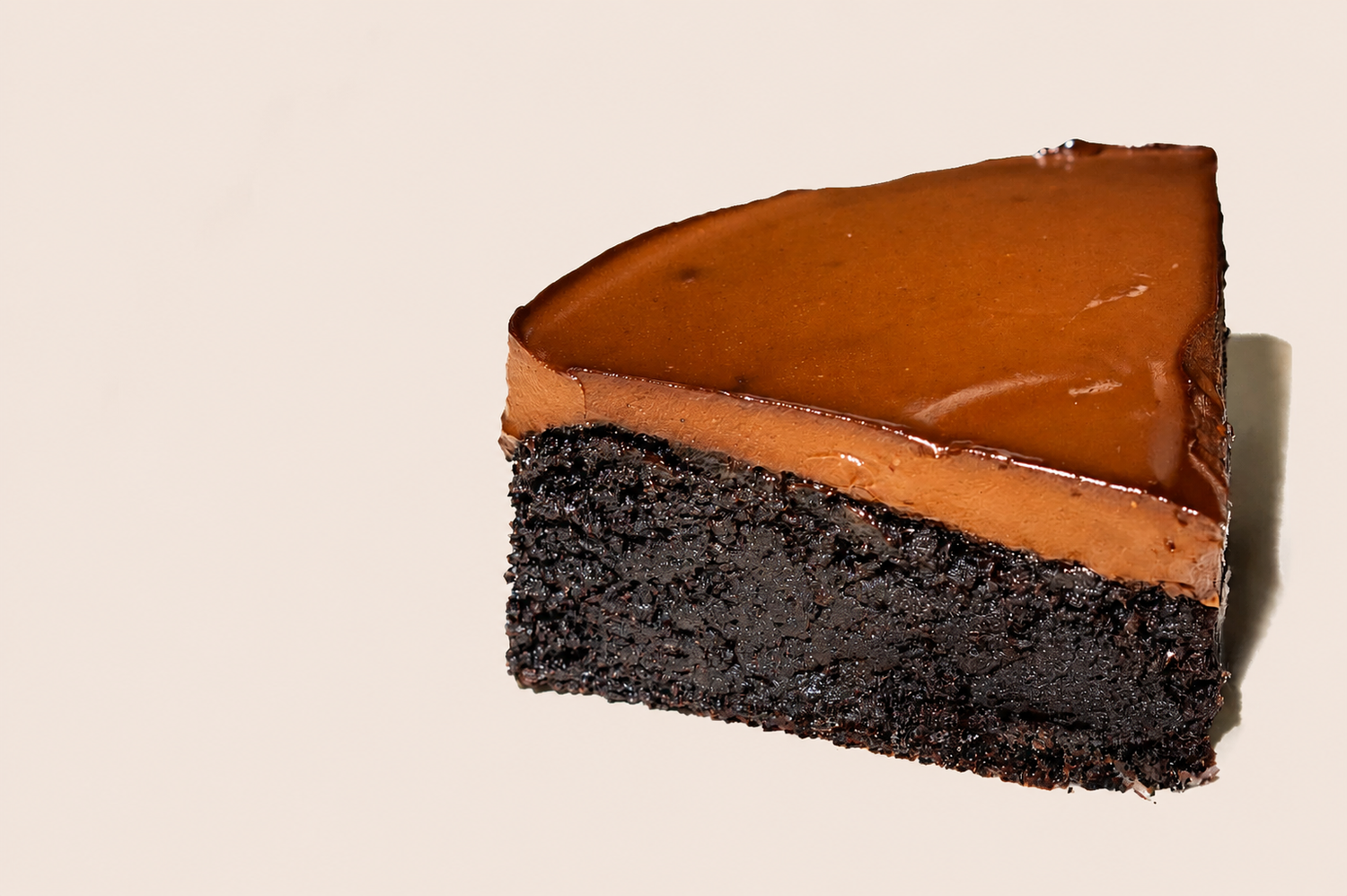
A rich and fudgy chocolate cake made without maida, refined sugar, or dairy, offering a decadent dessert experience with fewer carbs. Sweetened with xylitol and stevia, it features a moist texture and deep cocoa flavor topped with chocolate ganache. This low-carb, keto-friendly cake is perfect for those seeking a guilt-free chocolate indulgence.

2. Low-Carb Snack Options
These simple, healthy low carb snacks can give you a burst of nutrients while tiding you over until your next meal.
- Protein snacks: Healthy energy bites made from cashews and dates and other nuts are healthy low-carb snacks that you can take.

- Nut-based snacks: Peanut butter with chocolate is a good low-carb diet-friendly option.
- Low-sugar baked treats: Banana bread is a good low-sugar snack that is a good alternative to white bread.

Which is better, Keto or Low Carb?
Both Keto and Low-Carb can support fat loss, energy consistency, and improved metabolic health. To actually choose between low carb vs keto, focus on your dietary preferences, lifestyle and what you want to achieve from the diet. The real secret is to be consistent with whichever diet you opt for.
Frequently Asked Questions
1. What is the exact difference in daily carbohydrate limits between Keto and a Low-Carb diet?
The main difference between low-carb and keto lies in their carb intake. The keto diet is more restrictive; typically, it limits carbs to no more than 50 grams daily. The low-carb diet allows up to 50–150 grams per day, depending on how you apply it.
2. How do metabolic states differ between a low-carb diet and strict ketosis?
In low-carb conditions, metabolism functions as it normally does, and glucose serves as an energy source. In ketosis, metabolism shifts to a fat-dependent state.
3. Is the keto diet good for weight loss?
Yes, the keto diet can promote rapid weight loss, particularly at the initial stages, when a person feels hungrier and sees faster results.
4. Which diet is easier to maintain: keto or low carb?
A low-carb diet is easier to maintain because it requires less effort than keto, which is stricter, especially with carb intake.
5. Who should choose a low-carb diet over a strict ketogenic diet?
You should choose a low-carb diet if you want a more moderate, flexible approach without having to follow strict guidelines or drastically restrict your carbohydrate intake.
Popular Searches
Gluten Free Bread | Best Granola | Gluten Free Snacks | Nut Butter | PCOS Friendly Snacks | Keto Snacks India | Vegan Dark Chocolate
Popular Blog
Which Biscuit is Good for Diabetes | Best Pre Workout Vegetarian Meal | PCOS Friendly Desserts | Substitute of Sugar | Dark Chocolate Benefits for Women
