


Introduction
Hazelnuts are familiar to most of us as ingredients in our favorite chocolate, spreads and desserts. However, there's much more to hazelnuts than their rich, buttery flavour. They are rich in healthy fats, fibre, plant protein, vitamin E, and minerals that are essential to the body, hence a good addition to regular meals.
If you've ever wondered, "Are hazelnuts healthy?" The answer is yes. Hazelnuts contain natural amounts of vitamins, minerals, fibre and plant protein that are beneficial to overall health, and healthy fats.
In this guide, we will delve into hazelnut nutrition, explore the health benefits of hazelnuts, compare raw hazelnuts to roasted ones, and explore some easy methods to incorporate hazelnuts into your daily meals and desserts.
In This Article
Are Hazelnuts Healthy? Here's What the Science Says
8 Health Benefits of Hazelnuts
Are Hazelnuts Good for Weight Management?
Can You Eat Hazelnuts Every Day?
Healthy Ways to Add Hazelnuts to Your Diet
Raw vs Roasted Hazelnuts: Which Is Better?
Why Hazelnuts Are a Favourite Ingredient in Healthy Desserts
Why Choose Hazelnut-Based Treats From The Cinnamon Kitchen?
Key Takeaways
- Hazelnuts contain a good amount of healthy fat, fibre, plant protein, vitamin E and essential minerals, which makes them a highly nutritious nut to add to a healthy diet.
- Hazelnuts can be eaten raw, roasted, ground into hazelnut flour, or made into hazelnut butter and are versatile ingredients for cooking and baking.
- There are many tasty ways to add hazelnuts to your regular diet, from breakfast bowls to granola, salads to smoothies, cookies and brownies to cheesecakes.
- There are no significant nutritional differences between raw hazelnuts and roasted hazelnuts, although the roasted nuts are different in flavour, texture and recipe applications.
- As with all nuts, it is recommended to eat hazelnuts in moderation: around 28 g of hazelnuts offer a good balance of flavor and nutrition.
What Are Hazelnuts?
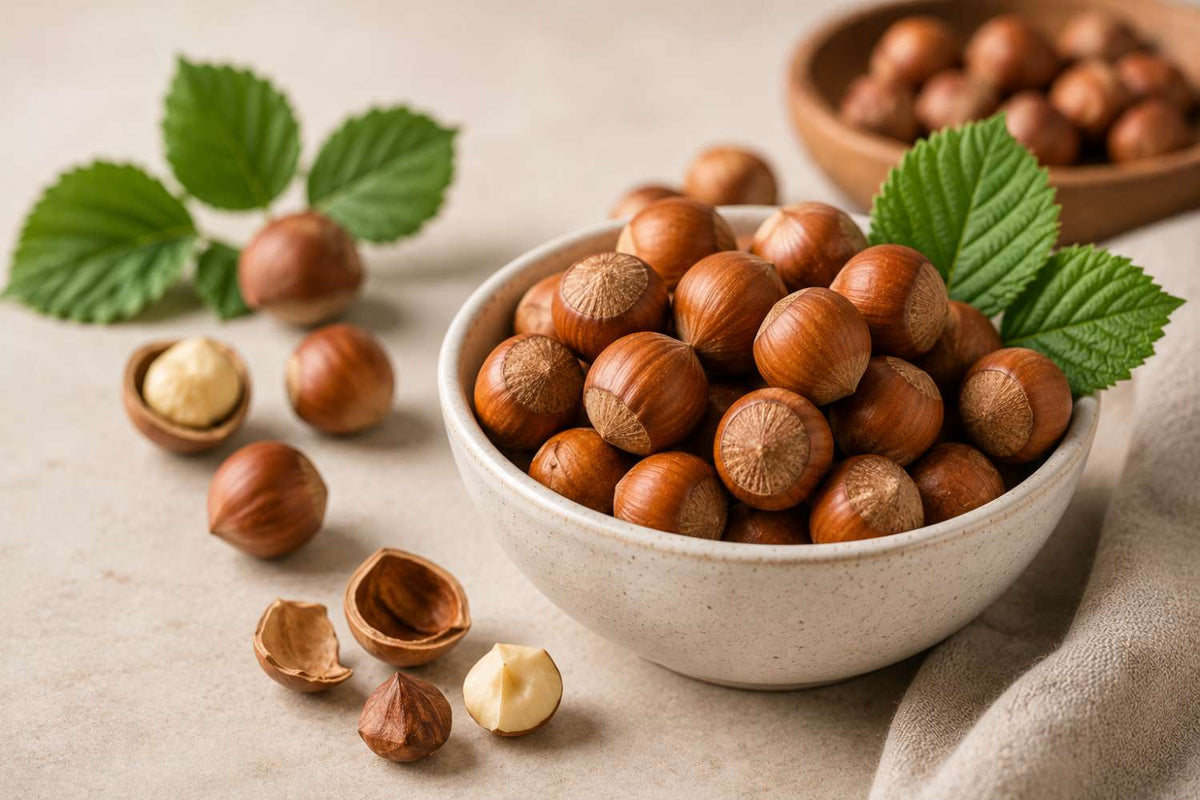
The edible nuts of the hazel tree Corylus species are hazelnuts. Known for their mild, nutty flavour, they're enjoyed around the world in everything from everyday snacks to homemade desserts. They are rich in dietary fibre, healthy fats, plant-based protein, Vitamin E, as well as important minerals such as magnesium and copper.
Origin:Hazelnuts were first planted thousands of years ago in Europe and western Asia. Today, hazelnut is grown and commercially harvested in several countries, in particular Turkey which is the world's top producer.
Culinary Uses:Hazelnuts are versatile and can be eaten in a variety of ways. Here are some of the most popular culinary uses:
- Snacking: Consumed raw or roasted as an easy, and healthy, snack.
- Breakfast: Add chopped hazelnuts to breakfast - ideal on cereal, yoghurt, porridge, smoothie bowls and granola.
- Salads: Sprinkle chopped hazelnuts for extra crunch and flavour to your favorite salad combination.
- Baking: Hazelnuts make a great addition to cookies, cakes, brownies, muffins, tarts, and even homemade energy bites.
- Nut butter: Hazelnuts can be blended to create a smooth, creamy nut butter.
- Desserts: Hazelnuts are excellent with chocolate, cocoa, candies with caramel and berries.
Raw vs roasted hazelnuts: You can eat hazelnuts raw or roasted, depending on your preference. The roasting infuses it with a deeper, toastier taste, and a nice crisp bite. Raw hazelnuts have a softer bite and a milder flavour. They both provide good nutrition and can be part of a healthy diet.
Hazelnut flour: Hazelnut flour is a great gluten-free flour option that is finely ground blanched hazelnuts. It can be added to baked goods such as cakes, cookies and muffins. This flour is a little nutty and has a good amount of moisture.
Hazelnut butter: A creamy, roasted and pureed hazelnut spread that is extremely wonderful and can be used in plain, or with other foods such as smoothies, overnight oats or on toast with fresh fruit. For the natural flavour, be sure to look for a product made with only 100% hazelnuts and without added sugars and oils
Hazelnuts in baking: Hazelnuts are incorporated into many kinds of delicious baked goods, such as brownies, cakes, cookies, tarts, muffins and much more. This popular ingredient may be used as whole nuts, in chopped form, or ground into a fine flour. They taste great when paired with rich chocolate or fresh berries.
Hazelnut Nutrition Facts
A 28 g (about 1 ounce or a handful) serving of hazelnuts offers a good balance of healthy fats, fibre, plant-based protein and key vitamins and minerals. Below is the approximate nutritional value per serving.
|
Nutrient |
Amount Per 28 g (1 oz) |
% Daily Value (% DV) |
|
Calories |
176 - 178 kcal |
9% |
|
Protein |
4.2 g |
8% |
|
Total Fats |
17.2 g |
22% |
|
Saturated Fat |
1.3 g |
6% |
|
Monounsaturated Fat |
12.9 g |
- |
|
Polyunsaturated Fat |
2.2 g |
- |
|
Total Carbohydrates |
4.7 g |
2% |
|
Dietary Fiber |
2.8 g |
10% |
|
Total Sugars |
1.2 g |
2% |
|
Vitamin E |
4.3 mg |
29% |
|
Magnesium |
46 mg |
11% |
|
Copper |
0.5 mg |
56% |
|
Manganese |
1.8 mg |
78% |
|
Folate |
52 mcg |
8% |
Are Hazelnuts Healthy? Here's What the Science Says
Yes, hazelnuts can be a healthy part of a balanced diet. They’re naturally high in healthy fats, fibre, plant-based protein, vitamins, minerals and antioxidants. Research suggests that when eaten in moderation hazelnuts may help:
- Support healthy hearts with heart-healthy unsaturated fats.
- Providing Vitamin E and other antioxidants protect cells from oxidative stress.
- Help maintain healthy blood sugar levels with their blend of healthy fats, fibre and protein.
- Supply nutrients such as vitamin E, folate and manganese to help support brain health.
8 Health Benefits of Hazelnuts
Hazelnuts have several health benefits, including their ability to support heart health, as well as providing important nutrients. Here are some of the key reasons to include them in your diet.
Rich in Heart-Healthy Fats
Hazelnuts are naturally a good source of unsaturated fats that, along with a healthy diet, can contribute to heart health. Replacing saturated fats with healthy fats can also contribute to normal cholesterol levels.
Excellent Source of Vitamin E
Hazelnuts provide a good source of Vitamin E which is an antioxidant that helps protect body cells from oxidative stress. It also contributes to healthy skin and immune function.
Supports Overall Wellness with Antioxidants
Hazelnuts include antioxidants that can contribute to protecting the body from damage from free radicals. Including antioxidant rich foods as part of a varied and balanced diet supports overall health and well-being.
Provides Plant-Based Protein
Hazelnuts deliver plant-based protein and offer a tasty boost to the diets of people following vegetarian and vegan lifestyles. In addition, they add a balanced boost to snacks and meals.
High in Fibre for Digestive Health
A contribution of fibre can support digestive well-being and encourage a sense of fullness following a snack or meal.
Naturally Gluten Free
Hazelnuts are naturally gluten free and can be included in a gluten-free diet. They can be eaten on their own, added to Gluten Free Snacks or ground into flour for baking.
Helps Keep You Feeling Fuller for Longer
Combining healthy fats, fibre and protein, hazelnuts provide an incredibly satisfying snack. A small handful can help keep you feeling fuller for longer between meals.
A Nutrient-Dense Snack for Everyday Diets
Every handful is filled with vitamins, minerals and healthy fats. Enjoy them as a snack or toss them into your favorite recipes for an easy nutritional boost.
Are Hazelnuts Good for Weight Management?
Yes, hazelnuts can be a great addition to a weight management plan when consumed in moderation. The healthy fats, fibre, and protein in hazelnuts will leave you feeling full, making it easier to reduce the desire to snack throughout the day.
Can You Eat Hazelnuts Every Day?
Most people can. Eating a small handful of hazelnuts is a simple way to include fibre, healthy fats, and minerals in your diet. They are great as a stand-alone snack, added to a breakfast bowl or salad, mixed in a smoothie or included in homemade baked goods. Always practice moderation due to hazelnut calories.
Who Should Avoid Hazelnuts?
Unfortunately, nuts are not for everyone. Anyone who is allergic to tree nuts should stay away from them due to the potential for allergic reactions. If you have any other medical conditions that necessitate following specific dietary regulations or are concerned about whether or not nuts fit your needs, consult a healthcare provider or registered dietitian before consuming them.
Healthy Ways to Add Hazelnuts to Your Diet
There are so many easy and delicious ways to add hazelnuts to your daily routine, whether for a healthy breakfast, snack or healthier dessert.
Breakfast bowls - Sprinkle chopped hazelnuts on oatmeal, yoghurt or smoothie bowls for added crunch. You can also try hazelnut with Granola for a nourishing breakfast.
Granola- Mix in some roasted hazelnuts in your homemade granola recipe. Alternatively enjoy Baklava Granola for a nutty crunch.
Trail mix - Combine hazelnuts with almonds, walnuts, pumpkin seeds and dried fruit for a handy on-the-go snack.
Homemade energy bites - Blend together dates, oats, seeds and hazelnuts to make healthy no-bake energy bites that are perfect for busy days. Cashew & Date Energy Bites are another great wholesome snack to enjoy during the day.
Smoothies - Blend a handful of hazelnuts or a spoonful of hazelnut butter into any favourite smoothie for a creamy and subtle flavour. For a milder nut flavour, Almond Butter can be used in many of the same ways, including on toast, in smoothies and with fruit.
Salads - Toss some chopped roasted hazelnuts onto your green leaf or vegetable salads, or grain bowls for extra texture.
Healthy cookies - Fold chopped hazelnuts into cookie dough for extra crunch. You can also explore sugar free cookies made without refined sugar for a ready-made option.
Tarts - Add some chopped hazelnuts over fruit tarts or mix them into the pastry crust for added crunch.
Brownies - Add chopped hazelnuts to brownie batter for a deeper nutty flavour and extra crunch. The Cinnamon Kitchen’s walnut brownie offers another combination of chocolate, millet and nuts.
Cheesecakes - Use crushed hazelnuts in your cheesecake base, or sprinkle on cheesecakes before serving.

Raw vs Roasted Hazelnuts: Which Is Better?
Both raw and roasted hazelnuts can be part of a healthy diet. The right choice depends on how you plan to use them, as each offers a slightly different flavour, texture, and culinary experience.
|
Basis |
Raw Hazelnuts |
Roasted Hazelnuts |
|
Taste |
A subtle, slightly sweet and distinctly nutty taste. |
Richer, toastier flavour with a more concentrated nutty intensity. |
|
Texture |
A tender chew with a soft bite. |
Crunchier, crisper and making them ideal for snacking. |
|
Nutrition |
They are packed with all their natural goodness, including potent antioxidants. |
Similar to raw, with a tiny loss of a few temperature-sensitive nutrients during roasting. |
|
Cooking Uses |
Great for smoothies, homemade nut butter, energy bites, and baking. |
Ideal for snacks, granola, salads, desserts, cookies, brownies, and tarts. |
|
Storage |
Store in an air-tight container in a cool and dry environment or refrigerate for added longevity. |
Store in an air-tight container and avoid exposure to heat and moisture to preserve the flavor and crunch. |
Why Hazelnuts Are a Favourite Ingredient in Healthy Desserts
- Natural crunch - chopped and roasted hazelnuts lend that natural crunch that will make a dessert more satisfying with every bite.
- Rich flavour - With a natural, sweet nutty flavour that works perfectly with both traditional and modern dessert ideas without overpowering other ingredients
- Healthy fats - With their healthy unsaturated fats, they are a great and natural source for the homemade dessert.
- Works well with dark chocolate - Hazelnuts and dark chocolate are a familiar pairing in brownies, cookies, truffles and cakes. You can also explore the sugar free cake collection for options made without refined sugar.
- Complements gluten-free baking - Hazelnut flour or ground hazelnuts can add richness, and a soft texture to your gluten-free diet, adding richness and a soft, moist texture to baked goods.
- Adds texture without relying on artificial ingredients - Whether used whole, chopped or ground, hazelnuts offer amazing natural texture without the artificial ingredients.

Why Choose Hazelnut-Based Treats From The Cinnamon Kitchen?
Hazelnuts work well in many kinds of treats, from creamy spreads to cakes and chocolate desserts. On The Cinnamon Kitchen’s bakery website, you will find plant-based, gluten-free options that pair hazelnuts with cacao, dates and citrus.
Sugar-Free Cacao Hazelnut Butter
The Sugar-Free Cacao Hazelnut Butter contains 60% hazelnuts, along with cashews, cacao, monk fruit and sea salt. It has a smooth texture with a light nutty crunch and contains no refined sugar or artificial preservatives.
Cacao, Hazelnut & Date Fudge
The Cacao, Hazelnut & Date Fudge combines dates, vegan dark chocolate, hazelnuts, raw khandsari and almond butter. The dates and chocolate create a soft, fudgy texture, while the hazelnuts add crunch.
Orange & Cacao Millet Cake
The Orange & Cacao Millet Cake brings together dark chocolate, homemade candied orange, orange zest, and topped with hazelnuts, complementing the cake’s chocolate and citrus flavours.
Conclusion
Hazelnuts are a delicious and versatile nut that can be easily incorporated into a healthy, balanced diet. There are plenty of reasons to enjoy them regularly, from supporting heart health to providing fibre, healthy fats, plant-based protein and essential nutrients. Toss them in breakfast bowls, smoothies, salads or homemade desserts – hazelnuts are an easy way to bring flavour and nutrition to everyday meals.
Frequently Asked Questions
1. Are hazelnuts healthier than almonds?
Both nuts offer a range of health benefits; Hazelnuts are high in vitamin E, healthy fats while almonds are high in protein, calcium. The nutritional benefit of hazelnut or almond depends on the individual's nutritional requirements.
2. Can you eat hazelnuts every day?
Yes, most individuals can incorporate a handful of hazelnuts into their daily diet. This will help contribute to your recommended daily intake of healthy fats, fibre, vitamins and minerals, although portion control is advised due to the high calorie content.
3. Are hazelnuts good for weight loss?
Hazelnuts can help support weight loss as the fats, protein and fiber in them have a positive effect in suppressing the appetite and making the individual feel satisfied for longer.
4. Do hazelnuts contain protein?
Yes. A serving size of 28g contains approximately 4.2g of plant-based protein which will assist you in achieving your recommended protein intake throughout the day.
5. Are hazelnuts high in calories?
As they are a good source of healthy fats, hazelnuts have a high calorie content. A 28g portion contains approximately 178 calories, meaning portion control is advised.
6. Are hazelnuts keto friendly?
Hazelnuts fit into most low carbohydrate and keto diet plans. They are relatively low in carbohydrates and high in healthy fats which will prevent the spike in blood sugar.
7. Are hazelnuts gluten free?
Yes. Hazelnuts can be easily incorporated into a gluten-free diet. Hazelnut flour is often used as a healthy, gluten-free substitute in recipes and in particular in baking.
8. What are the benefits of eating hazelnuts daily?
Hazelnuts consumed on a daily basis, as part of a balanced and healthy diet, can assist in keeping the heart healthy, act as an antioxidant and ensure the intake of fiber and essential nutrients such as vitamin E, magnesium, copper and manganese.
Popular Searches
Jim Jam Biscuit | Snacks For Diabetic Patients
Popular Blogs
Types Of Millets | Gluten Free Foods | Muesli Vs Granola | Pre Workout Snacks | Diabetic Dessert Recipes | Is Granola Healthy | Almond Butter Vs Peanut Butter | Sattvic Foods
