


Key Takeaways
- Pure oats do not naturally contain wheat, barley or rye gluten.
- Regular oats can pick up gluten during growing, harvesting or processing.
- Certified gluten-free oats are a more reliable choice for people who must strictly avoid gluten.
- Rolled, steel-cut and instant oats can all be gluten-free if properly produced.
- Some people with celiac disease may also react to avenin, a protein found in oats.
- Always check the packaging rather than assuming every oat product is gluten-free.
Introduction
A warm bowl of oatmeal, a crunchy granola bar, or a homemade oat cookie. Oats have found their way into almost every kitchen. They're affordable, filling, and easy to cook with. But here's something that often surprises people. Oats are naturally gluten-free, yet not every packet of oats is safe for a gluten-free diet.
Strange, isn't it? The problem usually begins long before the oats reach your breakfast bowl. From the fields where they're grown to the machines used for processing, gluten can find its way in. So, are oats gluten free? Let's understand what really matters when buying them.
What Makes Oats Gluten-Free?
In supermarkets, oats are often shelved alongside cereals made from wheat. Of course, people wonder if they contain gluten too.
Yeah. Pure oats are naturally gluten free. They don't contain the same gluten proteins as wheat, barley and rye.
Instead oats are rich in a protein called avenin. Most people with celiac disease tolerate uncontaminated oats, but a small proportion may react to avenin.
So, are all oats gluten-free? No. The answer depends on how the oats were grown, handled and processed
This is why oats are included among naturally gluten free grains, alongside rice, millet and quinoa. However, being naturally gluten-free doesn't guarantee that the packet you buy is free from contamination.
Why Aren't All Oats Considered Gluten-Free?
Imagine growing oats in a field that harvested wheat last season. There are probably a few wheat plants among the oats.
Now imagine harvesting both crops with the same equipment. And this is where the trouble begins.
The Difference Between Pure Oats and Regular Oats
Pure oats don't naturally contain gluten from wheat, barley or rye. But regular oats may come into contact with these grains during farming, transportation or manufacturing.
This means two packets containing the same type of oats may have very different gluten levels.
The Difference Between Oats and Gluten-Containing Grains
Not every cereal grain contains gluten. Knowing which grains naturally contain it makes shopping and meal planning much easier.
|
Grain |
Gluten Status |
What to Know |
|
Oats |
Naturally free from wheat, barley and rye gluten |
May contain gluten through cross-contact |
|
Wheat |
Contains gluten |
Not suitable for a gluten-free diet |
|
Barley |
Contains gluten |
Commonly used in malt products |
|
Rye |
Contains gluten |
Often used in traditional breads |
|
Rice |
Naturally gluten-free |
Used in gluten-free flour blends |
|
Millet |
Naturally gluten-free |
Popular in rotis, crackers and baking |
|
Quinoa |
Naturally gluten-free |
Useful in salads and grain bowls |
Oats also contain beta-glucan, a soluble fibre that can help lower blood cholesterol levels. Studies suggest that consuming 3 g of oat beta-glucan daily as part of a balanced diet can provide this benefit.
How Gluten Gets Into Oats
The presence of gluten in oats is usually a handling issue rather than something naturally present in the grain. And it can happen at several stages.
Farming and Harvesting
Sometimes this is the case on the same farms with wheat and oats, but they are planted in different seasons.
There may be seeds in the soil from a previous wheat crop. Small quantities of grain from previous use can also be carried on the harvesting machines.
These are some of the reasons why farmers growing gluten-free oats have to use more stringent growing and harvesting practices.
Processing and Packaging
Oats are cleaned, cut, rolled, and packed after harvesting.
Processing plants that also process wheat or barley could introduce gluten into the finished oats through shared equipment.
Even a little means so much to someone with celiac disease. That's why gluten free oat processing is more than just choosing naturally gluten-free grains.
Cross-Contamination at Home
Not all contamination happens in a factory. Or cooking oatmeal on a surface with wheat flour on it. Or putting a flour-covered spoon into an oat container.
If you have a family member with celiac disease, it’s wise to keep their ingredients and utensils separate.
Certified Gluten-Free Oats vs Regular Oats
Two packets of oats may look identical, but their production standards can be quite different.
Here's what to look for.
|
Feature |
Regular Oats |
Certified Gluten-Free Oats |
|
Naturally gluten-free grain |
Yes |
Yes |
|
Controlled production |
Not necessarily |
Yes, under certification requirements. |
|
Gluten testing |
May not be included |
Usually required |
|
Cross-contact prevention |
Varies by manufacturer |
Specific controls are expected |
|
Suitable for celiac disease |
Not reliably |
Generally suitable if oats are tolerated |
Why Certification Matters
Certified gluten-free oats are produced under systems designed to reduce and verify gluten contamination.
Many gluten-free standards use a limit below 20 parts per million of gluten, although exact requirements depend on the country and certification programme.
If you need certified gluten free oats for a gluten free diet, look for a recognised certification mark and read the manufacturer's information.
Types of Gluten-Free Oats and Their Gluten-Free Status
The breakfast aisle has rolled oats, steel cut oats, instant oats and oat flour. They may look different, but whether they are gluten free depends on the processing and the contamination controls, not the shape.
Rolled Oats
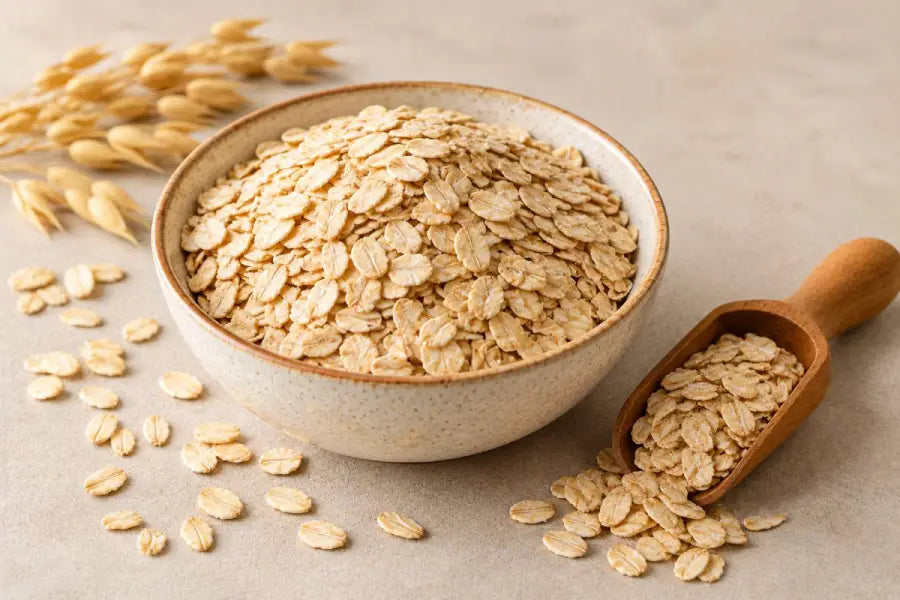
Rolled oats are steamed and flattened into thin flakes. They cook fast and are great in overnight oats, porridge, granola and cookies.
Gluten-Free Rolled Oats? Yes, if they are manufactured from uncontaminated oats and processed in suitable gluten-free facilities.
Steel-Cut Oats
The oats are chopped up, rather than being flattened like steel-cut oats. They are more solid, more chewy and take longer to cook. They are particularly good for those who like a more filling bowl of breakfast.
Are Steel Cut Oats Gluten-Free? If the product is verified gluten free, they can.
Instant Oats
Instant oats are processed into thinner pieces so they will soften quickly.
They're convenient for busy mornings, but the flavored ones can contain added sugar, flavorings or other ingredients. Always read the label. Before you buy.
Oat Flour
Oat flour is just oats ground into a fine powder.
It is great for pancakes, muffins, cookies and some cake recipes. Use flour made from certified gluten-free oats for strictly gluten-free baking.
Can People with Celiac Disease Eat Gluten-Free Oats?
This is where things become a little more personal. Many people with celiac disease can eat uncontaminated oats without problems. However, not everyone tolerates them.
What About Avenin?
Avenin is a protein naturally present in oats. A small number of people with celiac disease may react to it, even when the oats contain no wheat, barley or rye gluten.
For this reason, people with celiac disease should discuss introducing oats with their healthcare professional, particularly if they're newly diagnosed or still experiencing symptoms.
Choose Oats Carefully
For those who tolerate oats, properly verified gluten free oats for people with celiac disease are generally preferred over ordinary supermarket oats.
If symptoms continue after eating certified gluten-free oats, speak with your healthcare professional rather than assuming the product is suitable.
How to Check if Oats Are Truly Gluten-Free
You don't need to become a food scientist to choose the right oats. A few checks on the packaging can make the decision easier.
Check the Gluten-Free Label
Look for a clear statement that it is gluten-free and preferably a recognised third-party certification. Don’t assume that words such as natural, organic, or whole grain mean the product is gluten-free. They describe various qualities.
Read Beyond the Main Ingredient
You may see “oatmeal” on the front of a packet, but that doesn’t tell you anything about what’s inside. Flavoured oatmeal may contain other cereals, toppings or flavouring ingredients. Is oatmeal gluten free? Maybe, but the entire product has to be suitable, not just the oats.
Check the Manufacturer's Information
If the label doesn’t specifically say how it was produced or tested to be gluten-free, contact the manufacturer. This is especially the case for those who are on strict gluten-free diets for medical reasons.
Common Mistakes When Choosing Gluten-Free Oatmeal
A few common assumptions can lead to buying the wrong product.
Thinking Organic Oats Are Always Gluten-Free
Organic oats can be grown under certain farming standards, but organic certification does not automatically keep gluten out of the mix. You still need to make sure they are gluten-free.
Assuming Every Oat-Based Snack Is Safe
A granola bar can contain oats, wheat flour or barley malt. Oat cookies, breakfast cereals and snack mixes are the same way. Never trust the product name itself.
Forgetting About Kitchen Cross-Contact
Even certified oats can become contaminated if stored or prepared with gluten-containing ingredients. Separate containers and clean utensils are particularly handy in shared kitchens.
Ways to Enjoy Oats on a Gluten-Free Diet
Once you've found suitable oats, there's plenty you can do with them. And no, you don't have to eat the same bowl of porridge every morning.
Make a Better Breakfast Bowl
Cook gluten free oatmeal with milk or your preferred plant-based alternative.
Add banana slices, berries or chopped nuts. A spoonful of Almond Butter gives it a lovely creamy finish.
It's simple, filling and easy to change according to the season.
Bake Cookies at Home
Certified gluten-free oats can be used in cookies with cinnamon, dark chocolate, raisins or nuts.
If you'd rather enjoy something ready-made with your afternoon tea, The Cinnamon Kitchen offers Sugar Free Cookies, including its familiar Jim Jam Biscuit.
Just check the individual product details if you have specific dietary requirements.
Prepare Homemade Granola
Mix certified gluten-free rolled oats with nuts, seeds and a little sweetener.
Bake until lightly golden and let the mixture cool before storing. You can enjoy it with yoghurt, fruit or milk.
For days when you want something ready to eat, browse TCK's Gluten Free Snacks for sweet and savoury options.
Try Something Beyond Breakfast
Oats can also be used in crumble toppings, pancakes, muffins and baked dessert bases.
And when you're in the mood for a celebration dessert rather than oatmeal, The Cinnamon Kitchen's Sugar Free Cake collection and Walnut Brownie offer other gluten-free choices.
These desserts aren't necessarily made with oats, so always check their ingredients.
Final Thoughts
Oats themselves aren't the problem. It's what they may come into contact with before reaching your kitchen.
If you are avoiding gluten, particularly because of celiac disease, choose oats that have been properly verified as gluten-free. Don't rely on the word "oats" or an organic label alone.
Once you find the right ones, oats can be a useful part of everyday cooking, whether you enjoy them as porridge, cookies or granola.
For more gluten-free baking ideas and ready-made treats, visit The Cinnamon Kitchen's bakery website. You can also explore its collection of snacks for diabetic patients, keeping your personal nutritional needs and portion sizes in mind.

Frequently Asked Questions
What should you check on an oats package for gluten?
Find out if foods are clearly labelled gluten-free or have a recognised certification. Read ingredient lists and details regarding any shared equipment, particularly for flavoured oatmeal and oat-based snacks.
How are certified gluten-free oats different from regular oats?
Oats are certified gluten-free and grown under controlled conditions and tested for gluten content. Wheat, barley or rye may be present in regular oats due to farming, transporting or processing.
What happens if oats are processed with wheat or barley?
Oats may become contaminated with the gluten of grain during processing. Although pure oats do not contain wheat, barley or rye gluten, this may make them unsuitable for individuals with coeliac disease.
When should you avoid oats on a gluten-free diet?
If you have celiac disease, steer clear of oats without gluten-free certification. If you are sensitive to avenin or your healthcare provider recommends not having certified oats, you should also steer clear of them.
Why is gluten contamination more common in some oat products?
Oats and gluten-containing grains are processed on the same machinery, in the same transport system or in the same field by some manufacturers. If it is not separated, cleaned and tested, gluten may be in the final product.
Popular Blogs
Types Of Millets | Gluten Free Foods | Muesli Vs Granola | Pre Workout Snacks | Diabetic Dessert Recipes | Is Granola Healthy | Almond Butter Vs Peanut Butter | Sattvic Foods
