


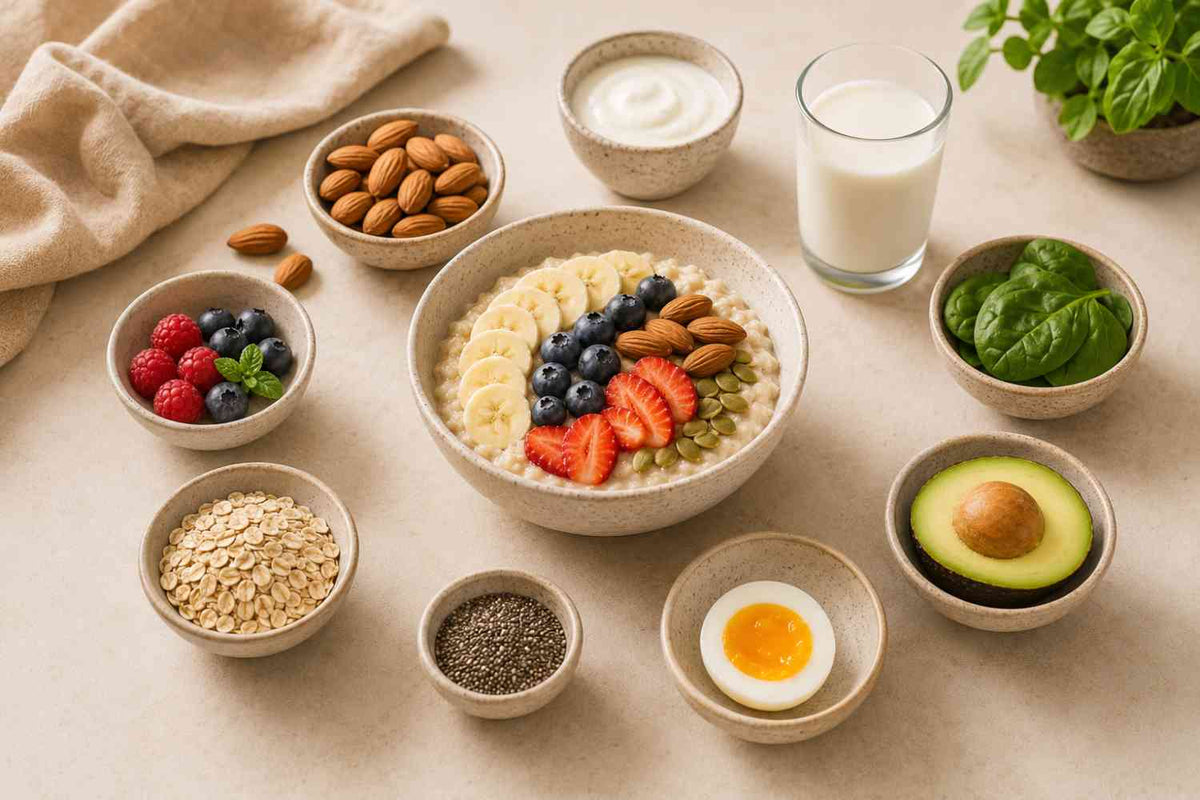
Ever found yourself munching on a biscuit or chips in the morning by 11 when you just had your breakfast at 8? Or maybe even felt tired or lazy after eating a bowl of cereals which gave you some sort of satisfaction for a while?
It might not be the case that you don't eat enough. Rather, it is possible that the nutrients which your body requires are not being supplied through your breakfast meal.
An ideal breakfast is not all about consuming calories or sticking to any diet plan. Instead, an ideal breakfast comprises the right nutrients which will give you a boost of energy, aid digestion and keep you satiated throughout the day.
As per the Indian Council of Medical Research (ICMR), breakfast is supposed to account for 20-25% of your daily calorie intake and must comprise a balanced composition of carbohydrates, proteins, fats, vitamins, and minerals.
So, what should an ideal breakfast comprise?
Let us find out!
Why Is a Balanced Breakfast Important?
Breakfast should be seen as the first station for fueling up after fasting overnight.
An ideal breakfast is meant to ensure that one:
- Obtains sustained energy throughout the day
- Enhances concentration levels
- Promotes digestion
- Maintains feelings of satiety for longer periods of time
- Attains daily nutritional needs
The point is not eating more but eating better.
1. Protein: The Nutrient That Keeps You Fuller for Longer
One of the most significant elements of a healthy breakfast is the protein.
It not only builds and repairs tissue, aids in maintaining muscles, but also gives you satiety, ensuring you don’t indulge in any bad habits of snacking in the middle of the morning.
Examples of good sources of protein at breakfast are:
- Almonds
- Nut butter
- Greek yoghurt
- Eggs
- Seeds
- Legumes
If you are in need of a quick breakfast or a snack, products based on almonds and nuts can provide a natural source of protein along with some healthy fats.
Like, Almond Flour & Cacao Cookie from The Cinnamon Kitchen which has been made from almonds and not protein isolates.
2. Fibre: Your Gut's Best Friend
We rarely get enough fibre. Fiber keeps our digestive tract healthy and promotes good bacteria in the gut, and helps us feel satiated after eating.
This is because fiber reduces digestion speed and makes energy be absorbed gradually and not suddenly.
Good sources of fiber include:
- Oats
- Millets
- Fruits
- Nuts
- Seeds
To increase your fiber intake, you can eat breakfast which includes whole grains, nuts and fruit. For example, you can consume granolas with oats, millets and dried fruits which will make your breakfast crunchy and rich in fiber.
Why Fiber is More Important Than You Know
A high-fiber breakfast will benefit not only your gut. It may even make you snack less during the day since you feel full for a long time. Sometimes, the key factor that makes you hungry at 11 a.m. or feel sated until lunchtime is just fiber in breakfast.
3. Healthy Fats: Don't Skip Them
However, healthy fats are sometimes ignored because people forget about the important role of fats in a diet.
Fats are necessary for:
- Brain health
- Increasing satiety
- Fat-soluble vitamins absorption
- Hormones production
Some of the most beneficial sources of healthy fats are:
- Almonds
- Peanuts
- Walnuts
- Pumpkin seeds
- Sunflower seeds
- Olive oil
Eating a spoon of peanut butter on a slice of bread or consuming a breakfast consisting of nuts and seeds will make the meal more satiating.
4. Iron: The Mineral That Supports Energy
Always feeling sleepy even when having enough rest?
Iron is a mineral that helps in oxygen transportation in the body.
Though there are many causes of feeling exhausted, taking enough iron as a part of your balanced diet is one of them.
Foods that contain iron:
- Millets
- Amaranth
- Pumpkin seeds
- Nuts
- Dark green vegetables
Ancient grains such as amaranth are especially interesting since they contain iron as well as fiber and proteins.
5. Calcium: More Than Just Bone Health
Calcium is a nutrient associated with bone health.
In addition to its role in bone and tooth health, calcium helps with muscle activity and nerve impulses.
Sources of calcium include:
- Almonds
- Amaranth
- Sesame seeds
- Dairy foods
- Calcium-fortified alternative plant milks
Adding almonds and amaranth to your breakfast can help you expand your sources of calcium.
6. Magnesium: The Mineral We Often Forget About
Magnesium doesn’t get as much recognition as proteins and calcium but is part of hundreds of biochemical reactions in our bodies.
It plays an important role in:
- Healthy muscles functioning
- Healthy nerves functioning
- Energy production
- Bone health
Food sources that contain magnesium naturally are:
- Cacao
- Almonds
- Seeds
- Amaranth
- Oats
This is why meals combining whole grains and nuts are nutritionally diverse.
7. Complex Carbohydrates: Your Main Source of Energy
Carbohydrates are not evil.
On the contrary, they are what your body needs for fuel. Complex carbohydrates should be your priority since they take longer to digest than refined ones.
Examples of foods that contain them include:
- Oats
- Millets
- Whole grains
- Amaranth
Besides being an energy source, these foods offer various nutritional benefits in the form of fibre, vitamins and minerals.
Putting It All Together: What Does a Balanced Breakfast Look Like?
It is not necessary to prepare a complicated meal for a proper breakfast.
All that is required is:
- A bowl of granola with yogurt and fruits
- Toast with millet bread and almond butter spread
- Nuts along with some fruits
- Overnight oats with seeds
It just requires the combination of all these elements in a single meal.
Small Ingredient Choices Can Make a Big Difference
Choosing packaged breakfast food is more than just reading what is written on its front label.
Think of:
- Is it made with whole food ingredients?
- Is it high in protein and fibre?
- Is it made with ingredients that I recognize?
At The Cinnamon Kitchen, these are the questions behind each recipe we make.
Be it our Berry & Banana Millet Granola which is made with 24% amaranth puffs, our Oat & Fig Granola that is high in fibre from oats, figs, and seeds or our Sugar-Free Almond & Seed Granola loaded with almonds and seeds, we have always believed that breakfast should not only be nutritious but also delicious.
This applies to our Cacao Almond Butter, Multi-Seed Millet Bread, and Almond Flour & Cacao Cookie, all of which are made with carefully selected ingredients that will work with any lifestyle.
Healthy eating doesn’t mean being perfect. Healthy food means making healthy choices, one meal at a time.
Conclusion
There is no single superfood that can make up a healthy, balanced breakfast. It is all about balancing proteins, fibers, healthy fats, complex carbohydrates, and minerals in order to be on top of your game during the day. Instead of seeking shortcuts, it is advisable to concentrate on food that contains real, thoughtful ingredients.
Sometimes, the easiest breakfasts are the healthiest ones.
FAQs
1. What is considered a balanced breakfast?
It is a breakfast containing a mixture of proteins, fibers, healthy fats, carbohydrates, and vitamins & minerals. It provides you with the energy that keeps you full.
2. Why is protein important at breakfast?
It is necessary because it provides benefits for muscle health, offers satiety and repairs the tissues in your body.
3. Which breakfast foods are naturally rich in magnesium?
Nuts like almonds, cocoa, oats, seeds and grains like amaranth are natural sources of magnesium.
4. What are good sources of fibre for breakfast?
Oats, millets, fruits, nuts, seeds and whole grains are great sources of fiber. You can easily include them in your daily breakfast routine.
5. Can packaged breakfast foods be part of a balanced diet?
Yes, packaged food can be part of breakfast, but the right thing is to take care to choose the ones made from natural ingredients and a good source of fibre or protein and does not contain artificial preservatives and additives.
Popular Searches
Natural Almond Butter | Jim Jam Biscuit | Walnut Brownie | Gluten Free Snacks
Popular Blogs
Types Of Millets | Gluten Free Foods | Muesli Vs Granola | Pre Workout Snacks | Diabetic Dessert Recipes |Is Granola Healthy | Almond Butter Vs Peanut Butter | Sattvic Foods
