


Key Takeaways
- Maida is refined wheat flour, which means it does contain gluten. Maida Free is not automatically the same as Gluten Free.
- The difference between Maida Free and Gluten Free comes down to intent: one avoids a processing method, the other avoids a protein entirely.
- The Cinnamon Kitchen bakes everything in a dedicated Gluten Free facility, so when the label says Gluten Free, it actually means Gluten Free.
In this Article
What Is Maida and Does It Contain Gluten?
Maida Free vs Gluten Free: What's the Real Difference?
Who Should Choose Gluten Free Foods?
How to Choose Gluten Free Products
Introduction
Open any biscuit, namkeen, or packed snack in your pantry, and maida is usually the first word that you will find in the ingredient list. It quietly appears at the top of countless ingredient lists and has become a staple ingredient in many packaged foods.
As gluten-free eating has become more mainstream, a wave of maida-free products has appeared alongside it. This is where the confusion begins. If you're looking for a gluten free bakery in Delhi NCR, The Cinnamon Kitchen offers certified Gluten Free baked goods made in a dedicated Gluten Free facility. The two labels are often used as though they mean the same thing, but they do not.
Nutritionists and wellness influencers increasingly encourage reducing refined flour intake. Many people report better digestion, steadier energy levels, and fewer cravings after reducing refined flour in their diet. Even a simple dietary swap can make a noticeable difference for some people.
Understanding the difference between Maida Free and Gluten Free lets you make better decisions for your health, in case you have celiac disease, gluten sensitivity, diabetes, PCOS, or if you simply want to replace refined foods with wholesome alternatives.
What Is Maida and Does It Contain Gluten?
Before comparing Maida Free and Gluten Free, let's understand what maida actually is. Maida is a highly refined form of wheat flour. During processing, the bran and germ, the parts richest in fibre, vitamins, minerals, and healthy fats, are removed. What is left behind is mostly starch. So, does maida contain gluten? Absolutely. Since maida comes directly from wheat, it contains gluten, which is the protein responsible for giving dough its elasticity and helping breads, biscuits, and pastries achieve their chewy texture.
The problem, however, extends beyond gluten. Since maida is highly processed, it offers very little fiber and very few nutrients compared to whole grains. It also has a high glycemic index, between 70 and 85, which means it is digested quickly and causes rapid spikes in blood sugar levels. Also, it provides very little satiety, which makes it easy to overeat. Therefore, the conversation isn't just about gluten, but also about choosing ingredients that nourish your body before satisfying your hunger.
Maida Free vs Gluten Free: What's the Real Difference?
The biggest misconception among shoppers is that removing maida will automatically remove gluten. It doesn't. A product that is labeled Maida Free means that refined wheat flour is not being used. It may still contain other gluten containing grains like barley or rye.
On the other hand, a product that is labeled gluten free does not contain gluten from any source, like wheat, barley, rye, or contaminated ingredients. This is the most important maida and gluten difference that everyone should know about.

|
Maida Free |
Gluten Free |
|
Means refined wheat flour has been removed. |
Means the product contains no gluten. |
|
May still contain whole wheat flour. |
Contains no wheat, barley, or rye. |
|
Suitable for people avoiding refined flour. |
Essential for people with Celiac disease. |
|
May still trigger gluten sensitivity. |
Safe when certified and produced without cross-contamination. |
|
Focuses on one ingredient. |
Focuses on the complete absence of gluten. |
Who Should Choose Gluten-Free Foods?
People who can benefit from choosing gluten-free foods over maida-heavy snacks.
-
People diagnosed with Celiac disease
Gluten triggers an immune response that can damage the gut lining, even in very small amounts. Estimates suggest around 1 in 100 north Indians may be living with Celiac disease, and many cases go undiagnosed for years.
-
People with non-Celiac gluten sensitivity
Symptoms such as bloating, fatigue, and skin irritation tend to ease on a gluten-free diet, even without a formal Celiac diagnosis. There is no single blood test that confirms this, but the relief many people feel after cutting wheat is real.
-
Anyone managing PCOS, diabetes, or blood sugar concerns
Refined flours like maida carry a high glycaemic index and next to no fibre. Therefore, meals and snacks built on millets, nuts, and seeds may help support steadier energy through the day.
-
Anyone who wants to choose better ingredients
You do not need a diagnosis, like choosing snacks for diabetic patients, to prefer whole, minimally processed food over refined starch. A lighter and less bloated feeling after snacking is often reason enough.
How to Choose Gluten-Free Products
Reading a label properly is a good start. Before anything reaches your cart or kitchen, it could be a great help to run through a short checklist.
- Scan for wheat, maida, atta, barley, rye, or any starch without a clearly named source.
- Watch for the phrase; may contain traces of wheat if cross-contamination matters to you.
- Remember that multigrain does not mean gluten-free. It often still lists wheat as the very first grain.
- Check flavouring agents and maltodextrin, since these can be wheat-derived.
- Treat oats with care. They are naturally Gluten Free but frequently contaminated during milling, so only certified Gluten Free oats are safe for Celiac disease.

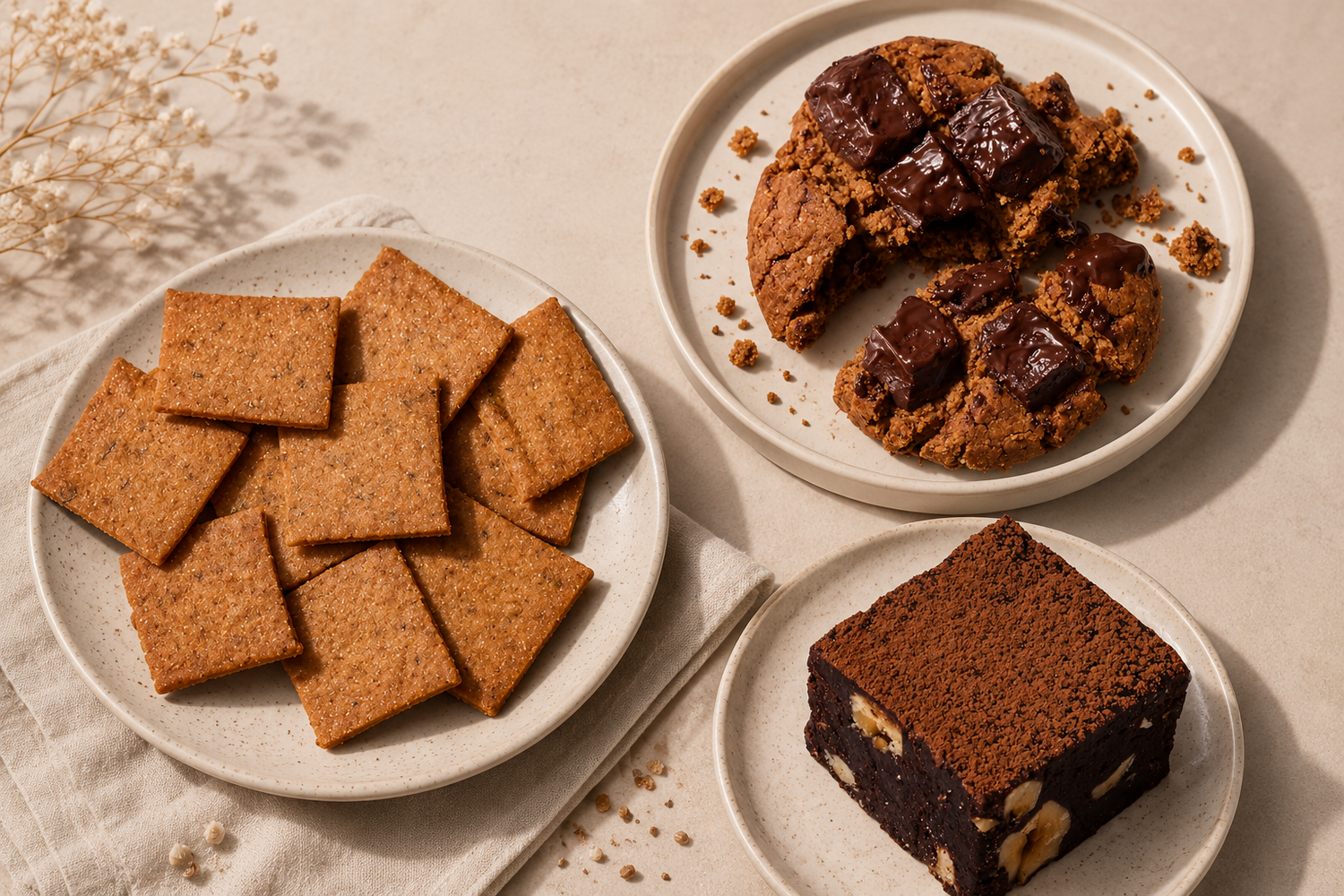
This is where a brand like The Cinnamon Kitchen has made its name. We are India's certified Gluten Free plant-based bakery. Here are a few delicious treats from The Cinnamon Kitchen that are genuinely Gluten Free and contain no maida.
Rich, bittersweet dark chocolate meets crunchy hazelnut praline in a smooth, fudgy bite. Refined sugar-free and super yummy, whether eaten solo or alongside your coffee

Buttery, flaky, flourless almond butter cookies with deep cacao flavour. These are the kind of snacks that indulgent yet made with thoughtfully selected ingredients.

This is a soft, everyday millet loaf delivered fresh across Delhi and NCR. Perfect for toast, sandwiches, or everyday meals.

- Just Almond Butter (Natural)
100% real almonds, PCOS-friendly, vegan, and entirely kid-approved. Spread it on toast, fruits, or crackers, or simply enjoy it by the spoonful.
While you're at it, you can also explore our range of yummy Jim Jam cookie and sumptuously wholesome wedding return gifts for guests.

FAQs
Is maida free the same as gluten-free?
Not necessarily. Maida Free only rules out refined wheat flour, while Gluten Free rules out gluten from wheat, barley, and rye altogether, including other forms the grain might take.
Can people with celiac disease eat maida-free food?
Not always. Even a Maida Free product can contain gluten from whole wheat, barley or rye. Individuals with Celiac disease should only consume certified gluten-free products made in dedicated gluten-free facilities to prevent cross-contamination.
Does Maida have gluten?
Yes. Maida is a refined form of wheat flour and thus contains gluten. If you have celiac disease or are gluten sensitive, you should not consume maida-made food items.
What is wheat-free? Also, is wheat-free the same as gluten-free?
No. A product labeled as wheat-free may still contain other gluten-containing grains, such as barley or rye. A gluten-free product is free from gluten from wheat, barley or rye and meets specific safety standards.
Which gluten-free flours are commonly used in India?
Some popular gluten-free flour alternatives include almond flour, coconut flour, jowar (sorghum) flour, bajra (pearl millet) flour, ragi (finger millet) flour, besan (chickpea flour), and certified gluten-free oat flour.
How can I tell if a product is truly gluten-free?
Start by reading the ingredient list carefully. Avoid products containing wheat, maida, atta, barley, rye, or unspecified starches. If you have Celiac disease, also check for statements like “may contain traces of wheat” and choose products that are certified gluten free and made in dedicated gluten-free facilities
Popular Searches
Wedding Hampers for Guests | Diabetic Friendly Snacks | Badam Butter | Gluten Free Cookies | Jim Jam Biscuit
Popular Blogs
Biscuits for Diabetics | Which Dark Chocolate is Best for PCOS | Does Atta have Gluten | Is Granola Healthy
