


Key Takeaways
- Sooji is not gluten free. It is made from durum wheat and contains gluten naturally.
- People who have celiac disease, gluten intolerance or wheat allergy should not eat sooji and should take suitable alternatives.
- Some popular substitutes include almond flour, millet flour, rice flour, and certified gluten-free oat flour.
- Knowing which everyday ingredients contain gluten makes it easier to make informed food choices and follow a gluten-free diet
In This Article
Gluten-Free Alternatives to Sooji
Looking for Gluten-Free Treats?
What Is Sooji?
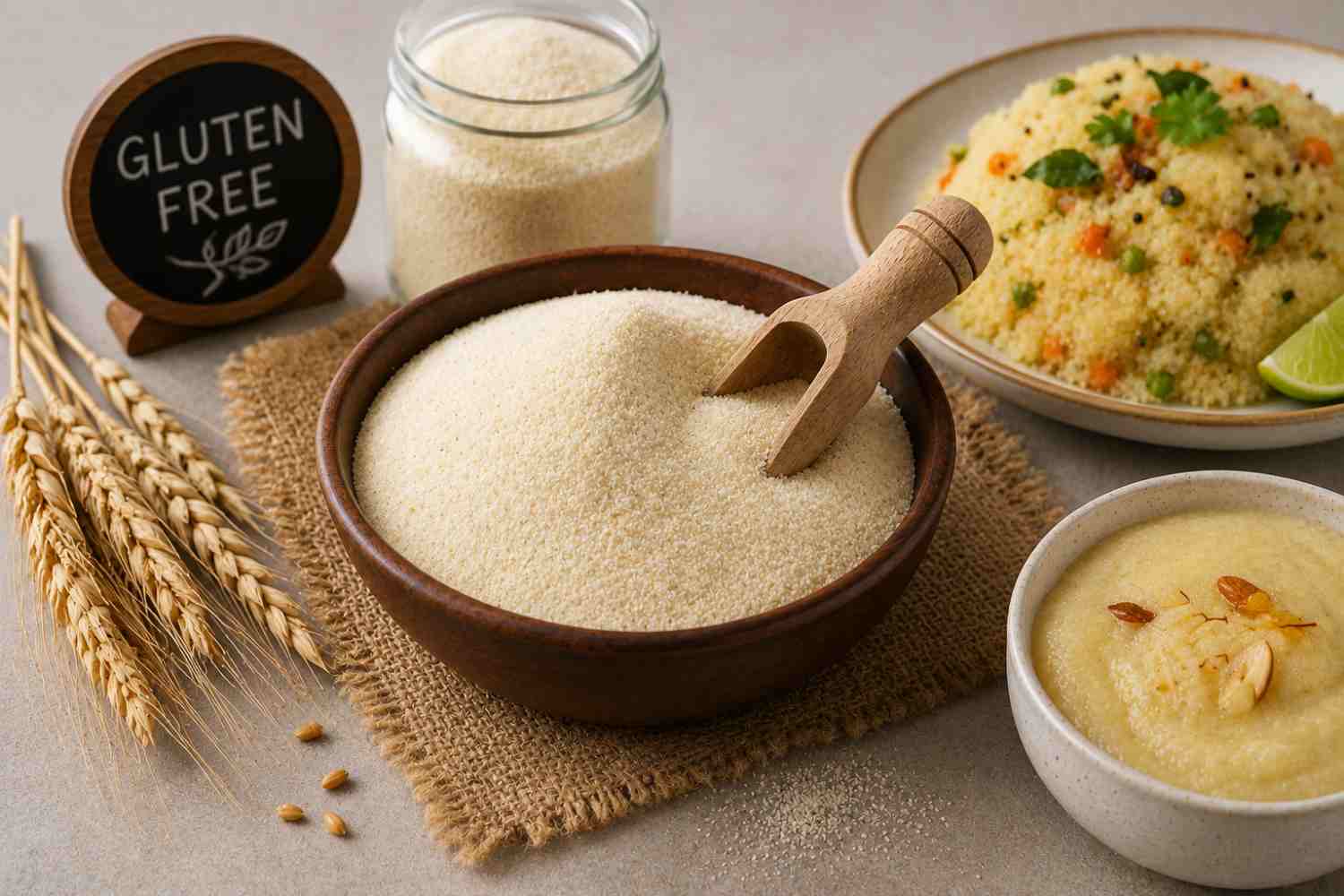
Sooji or semolina is a coarse flour made from durum wheat, a hard variety of wheat. It is a common household item in Indian homes to make upma, halwa, rava dosa, idli etc. Outside India, semolina is also used in pasta, breads, desserts and baked goods for its slightly coarse texture and gentle flavour.
Does Sooji Have Gluten?
Yes, sooji does have gluten. Gluten is a natural protein in wheat, barley and rye. Semolina is made from wheat and naturally contains gluten. Gluten gives dough its stretch and helps baked foods hold their shape.
If you follow a gluten-free diet, it's best to replace sooji with naturally gluten-free alternatives.
Gluten-Free Alternatives to Sooji
There are several gluten-free alternatives to sooji, depending on what you're making. Choosing the right one can help you achieve a similar texture and taste in your recipes.
Almond flour
Almond flour is made from finely ground almonds. It has a soft texture and mild nutty flavor, making it a popular choice for gluten-free baking. It’s naturally grain-free and high in healthy fats, vitamin E and plant protein. Bakers choose it when looking for a naturally gluten-free alternative for everyday baking.
Millet Flour
Millet Flour is made from naturally gluten-free millets. It has a mild taste and goes well in rotis, pancakes and baked snacks. It is naturally high in fibre and minerals like iron and magnesium. It is an easy way to add more whole grains to your diet.
Rice Flour
Rice flour is made from finely milled rice and has a light texture with a neutral taste. It is often used in gluten-free cooking and traditional recipes as it blends easily with other flours without changing the flavour.
Certified Gluten-Free Oat Flour
Certified gluten-free oat flour is made by grinding oats into a fine powder. It helps create soft baked goods. Oat Flour is a source of fibre, including beta-glucan. Always use certified gluten-free oats, as regular oats may come into contact with wheat during processing.
Sooji, almond flour, rice flour and millet flour are very different in their base ingredients, gluten content and main kitchen uses.
|
Feature |
Sooji (Semolina) |
Almond Flour |
Rice Flour |
Millet Flour |
Oats Flour (Certified GF) |
|
Primary Source |
Durum wheat |
Almonds |
White or Brown rice |
Millet Grain |
Whole Oats |
|
Gluten-Free |
Contains gluten |
Gluten-free |
Gluten-free |
Gluten-free |
Naturally Gluten-Free |
|
Carb Profile |
High Carbohydrate |
Low Carbohydrate |
High Carbohydrate |
Moderate-High Carbohydrate |
High Carbohydrate |
|
Texture/ Taste |
Coarse, granular / Wheat flavor |
Fine, moist / Rich, nutty flavor |
Fine, smooth / Neutral flavor |
Slightly dense/gritty / Mild, earthy |
Soft, fine / Mildly sweet |
|
Best For |
Halwa, upma, Idli |
Keto/gluten-free cakes, cookies |
Idli, dosa, crispies, thickening |
Flatbreads (rotis), light baking |
Pancakes, muffins, healthy baking |
Who Should Avoid Sooji?
Sooji is suitable for many people, but it isn't the right choice for everyone. Avoid if a person have:
- Celiac disease: An autoimmune condition in which gluten damages the small intestine.
- Gluten Intolerance or Sensitivity: Causes bloating, fatigue or gastrointestinal problems.
- Wheat allergy: A condition where the body's immune system is triggered by wheat proteins
- Non-celiac Gluten Sensitivity: It’s possible to be intolerant to gluten without having celiac disease.
If you don’t fall into these categories, then cutting out gluten is just optional.
Looking for Gluten-Free Treats?
At Cinnamon Kitchen we believe in one simple thing. That great food starts with thoughtful ingredients. That’s why all our products are made with gluten-free ingredients such as millets, almonds, oats and more. If you're looking for Gluten Free Snacks , Cinnamon Kitchen offers a range of options made with ingredients such as millets, almonds, oats and more. As a bakery website , Cinnamon Kitchen focuses on thoughtfully made bakes using ingredients such as millets, almonds, oats and more.
Gluten-Free Multi-Seed Millet Bread - Gluten-Free Millet Bread delivers both taste and texture. They're springy and soft, perfect for your morning toast or your favourite sandwich.
Almond Flour & Cacao Cookie - Rich cacao and almond flour make these cookies a satisfying balance of flavor. A healthy cookie made the way it should be.
Berry Cacao Oat Cookies - These cookies are packed with certified gluten-free oats, berries and cacao, making them an easy wholesome snack to enjoy with your evening tea or as an on-the-go bite.
Methi Millet crackers- These crunchy crackers made with fibre-rich millets and the goodness of methi are a tasty alternative for anyone looking to add more wholesome ingredients in everyday snacking.
You will notice that no artificial additives or preservatives are used in any of our products because we believe in using better ingredients.
Conclusion
Understanding everyday ingredients can make a big difference. Sooji might look different from wheat flour, but it still has gluten as it is made from durum wheat. Simple facts like this help you make smart food choices and live a gluten-free lifestyle with confidence. You don’t have to give up your favourite meals to choose the right alternatives. It simply means finding ingredients that work best for your dietary needs.
FAQs
Is sooji safe for people with celiac disease?
No. Since sooji is made from wheat and does contain gluten, it is not safe for celiacs.
Can gluten-intolerant people eat sooji?
No. Sooji naturally contains gluten, so people with gluten intolerance should avoid it.
Is semolina naturally gluten-free?
Semolina is made from durum wheat, so it naturally contains gluten.
What is the best gluten-free alternative to sooji?
The best substitute will depend on the recipe. Some of the most commonly used substitutes include almond flour, millet flour, rice flour and certified gluten-free oat flour.
Does sooji contain wheat?
Yes. Sooji is another name for semolina. Semolina is made from durum wheat.
Popular Searches
Natural Almond Butter | Jim Jam Biscuit | Walnut Brownie | Sugar Free Cookies | Sugar Free Cake | Snacks For Diabetic Patients
Popular Blogs
Types Of Millets | Gluten Free Foods | Muesli Vs Granola | Pre Workout Snacks | Diabetic Dessert Recipes | Is Granola Healthy | Almond Butter Vs Peanut Butter | Sattvic Foods
