


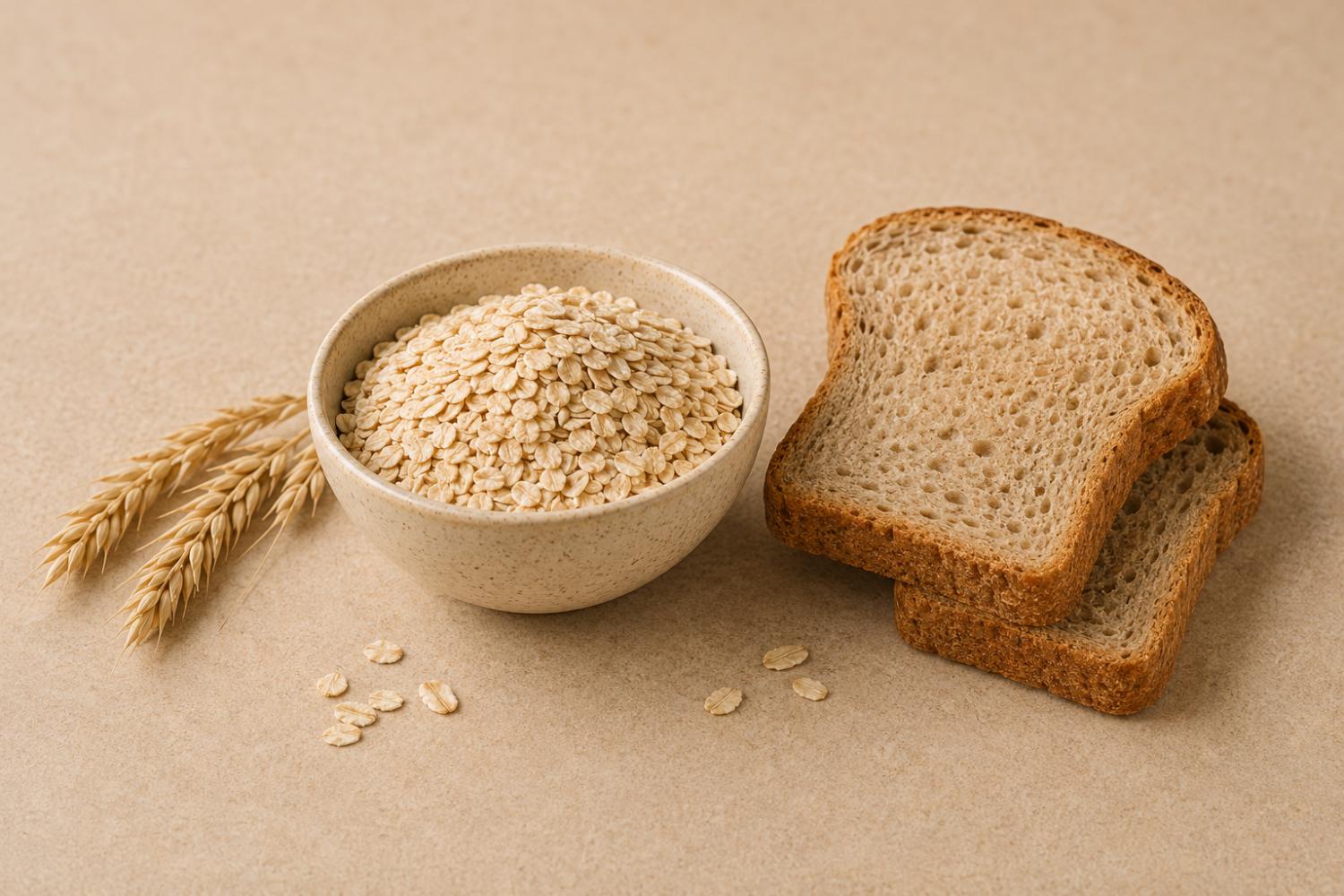
Gluten is a natural protein in wheat, barley, and rye, thus an ingredient in most foods such as bread, pasta, and baked items. Whereas some individuals have no problems digesting gluten, others experience gluten sensitivity symptoms which often go unnoticed or are wrongly diagnosed as other illnesses. In addition to digestion, gluten can have an adverse effect on your skin, energy level, mood, and general well-being. Since the signs might be slight, as well as take time to manifest, individuals often fail to make the connection between the foods they consume and their condition. It is important to be able to distinguish the difference between the gluten intolerance signs and gluten allergy symptoms before taking any action.
What is Gluten Sensitivity?
Gluten sensitivity or non-celiac gluten sensitivity (NCGS) occurs when people have adverse effects due to gluten consumption but do not have celiac disease or wheat allergy. The common symptoms of gluten sensitivity are bloating, tiredness, headache, brain fog, and stomach discomfort.
Despite the fact that gluten sensitivity, celiac disease, and wheat allergy are the disorders caused by the reaction to gluten or wheat, they differ from each other. Thus, celiac disease involves autoimmune inflammation and damage of the small intestine, whereas wheat allergy is the immune reaction to wheat protein that causes allergic reactions. Unlike other disorders, gluten sensitivity does not affect intestines but still may impact the general health state.
The problem of diagnosis of gluten sensitivity is complicated as there is no specific test that could help diagnose this disorder.
For more insights into gluten sensitivity and related conditions, refer to the trusted health information provided by MedlinePlus.
|
CONDITION |
CAUSE |
SYMPTOMS |
DIAGNOSIS |
TREATMENT |
|
Gluten Intolerance |
Reaction to gluten without damaging the intestine |
Bloating, exhaustion, headaches |
Diagnosis by exclusion |
Glutened-free diet |
|
Celiac Disease |
Autoimmune disorder |
Digestive problems, malnutrition |
Blood test & biopsy |
Gluten-free diet for life |
|
Wheat Allergy |
Allergy to wheat products |
Hives, swelling, breathing difficulty |
Allergy tests |
Wheat-free diet |
10 Gluten Sensitivity Symptoms You Shouldn't Ignore
1. Regularly Experiencing Bloating and Gas
Bloating is one of the first symptoms that people experiencing gluten sensitivity might notice. Many individuals suffer from additional symptoms such as excess gas, abdominal pain, and fullness, especially when eating bread, pasta, and any other products containing gluten.
2. Regular Digestive Issues
People might have regular problems like diarrhea, constipation, cramping of the abdomen, or even irregular bowel movements, which all might be early gluten intolerance signs.
3. Persistent Feeling of Fatigue
Another common symptom of this health problem might be constant tiredness even if a person gets sufficient sleep during the night.
4. Brain Fog and Lack of Focus
It can influence the ability to concentrate because gluten sensitivity might cause difficulties with focusing and remembering things and being mentally exhausted.
5. Reoccurring Headaches or Migraines
Some people might feel headaches and migraines after consuming food products containing a high amount of gluten.
6. Skin Conditions
Skin irritation, rashes, eczema breakouts, and dry skin may happen in some people. These are often considered symptoms of a regular allergy rather than gluten allergy symptoms.
7. Joint and Muscle Discomfort
Unexplained joint discomfort, muscle stiffness, mild inflammation, or unexplained pain can be seen in someone with gluten sensitivity.
8. Mood Changes
Anxiety, irritability, depressed mood, or increased stress levels can be experienced by some people. This can get better when they cut down on their gluten consumption.
9. Unusual Weight Fluctuations
Unexpected weight loss or gain, appetite changes, and problems with nutrient absorption can affect people experiencing gluten sensitivity-related health complications.
10. Lack of Vitamins or Minerals
Iron, vitamin B12, or vitamin D deficiency can cause weakness, dizziness, and fatigue. Persistent deficiencies may indicate gluten sensitivity or other similar disorders.
Common Foods That Contain Gluten
Foods that have gluten include those prepared from wheat, barley, and rye. Bread and pasta are common food items having gluten, but there are other processed food items that have gluten in them. Knowing about foods containing gluten is essential for people who have problems with gluten sensitivity symptoms.
Foods to Watch Out For:
- Bread: White bread, whole wheat bread
- Pasta: Regular pasta, noodles
- Bakery Products: Cakes, muffins, cookies
- Cereals: Wheat cereals, barley flakes
- Snacks: Crackers, pretzels
- Sauces: Soy sauce, gravies
- Beverages: Malt-based drinks
NOTE : It is important to read food labels carefully because gluten may be present even in processed foods, seasonings, soups, sauces, and packaged snacks. One of the best ways of avoiding gluten intake is by checking food labels.
Why Choose The Cinnamon Kitchen for Healthy Gluten-Free Snacks?
Being a gluten-sensitive person doesn’t have to come at the expense of eating tasty meals. At The Cinnamon Kitchen, a trusted bakery website , we offer healthy snacks that can both sustain your body and satisfy your appetite. This is because we carefully craft our gluten-free snacks using quality ingredients.
Discover Our Gluten-Free Snacks
Regardless of whether you feel like eating something sweet or savoury, there is something in store for you at The Cinnamon Kitchen:
- Cheddar Millet Bites - Crunchy, savoury snack prepared using millets.
- Almond & Spice Ginger Cookies - Flavourful cookies containing almonds and spices.
- Berry & Banana Millet Granola - A nutritious breakfast and healthy snack.
- Cashew & Date Energy Bites - Naturally sweet energy bites to keep you energetic.
- Cacao & Walnut Millet Brownie - Fudgy brownies made from millet flour.
- Gluten-Free Millet Bread - Healthy alternative to conventional bread.
- Gluten-Free Millet Atta - Suitable for making rotis and baked goods.
If you are managing your gluten sensitivity or leading a gluten-free life, or if you simply want some healthy options for snacking, then The Cinnamon Kitchen is here with some delicious snacks that you can trust. Experience our range of gluten-free snacks with mindful snacking!
Tips for Managing Gluten Sensitivity Symptoms
The way to manage gluten sensitivity symptoms can be found in making certain decisions concerning diet and lifestyle. The following tips will help you to cope better:
- Keep a food diary: Note down everything that you eat and what symptoms you may have. This will help to reveal possible sources of gluten intolerance.
- See a healthcare provider: Consult a healthcare professional if you feel you might suffer from gluten sensitivity.
- Do not eliminate gluten without testing: It is easier to test yourself on celiac disease and wheat allergy when you still have gluten in your diet.
- Eat gluten free: Include more fruits, vegetables, lentils, lean protein, rice, quinoa, and gluten-free grains in your meals.
- Check all ingredients in food products: Look for hidden gluten sources in foods in packaging.
- Prevent cross-contamination: If you share a kitchen with people who are having gluten, use different utensils and toasters.
Conclusion
Identifying gluten sensitivity symptoms early on will definitely contribute to improving your general state of health and wellness. Gluten intolerance signs are often quite mild and can be easily confused with something else. However, it is important not to ignore them, as ignoring your symptoms will only make things worse. You should consult your doctor if your condition does not get any better.
FAQs
1. When do improvements become apparent after cutting out gluten?
While some individuals experience improvement in a few days, others require several weeks. Improvement period depends on the person and their condition.
2. Can children be sensitive to gluten?
Yes, children can suffer from gluten sensitivity. Nevertheless, the symptoms will vary compared to the ones that occur in adults.
3. Can oats be consumed by people with gluten sensitivity?
Pure oats that have been certified as gluten-free are usually well-tolerated. However, regular oats can contain gluten during processing.
4. Is gluten sensitivity permanent?
While for some individuals elimination of gluten helps to improve the condition, for others it is possible to consume small quantities of gluten. Consult your doctor about this matter.
Popular Searches
Natural Almond Butter | Jim Jam Biscuit | Walnut Brownie | Gluten Free Snacks | Sugar Free Cookies | Sugar Free Cake |
Popular Blogs
Types Of Millets | Gluten Free Foods | Muesli Vs Granola | Pre Workout Snacks | Diabetic Dessert Recipes | Is Granola Healthy | Almond Butter Vs Peanut Butter | Sattvic Foods
