


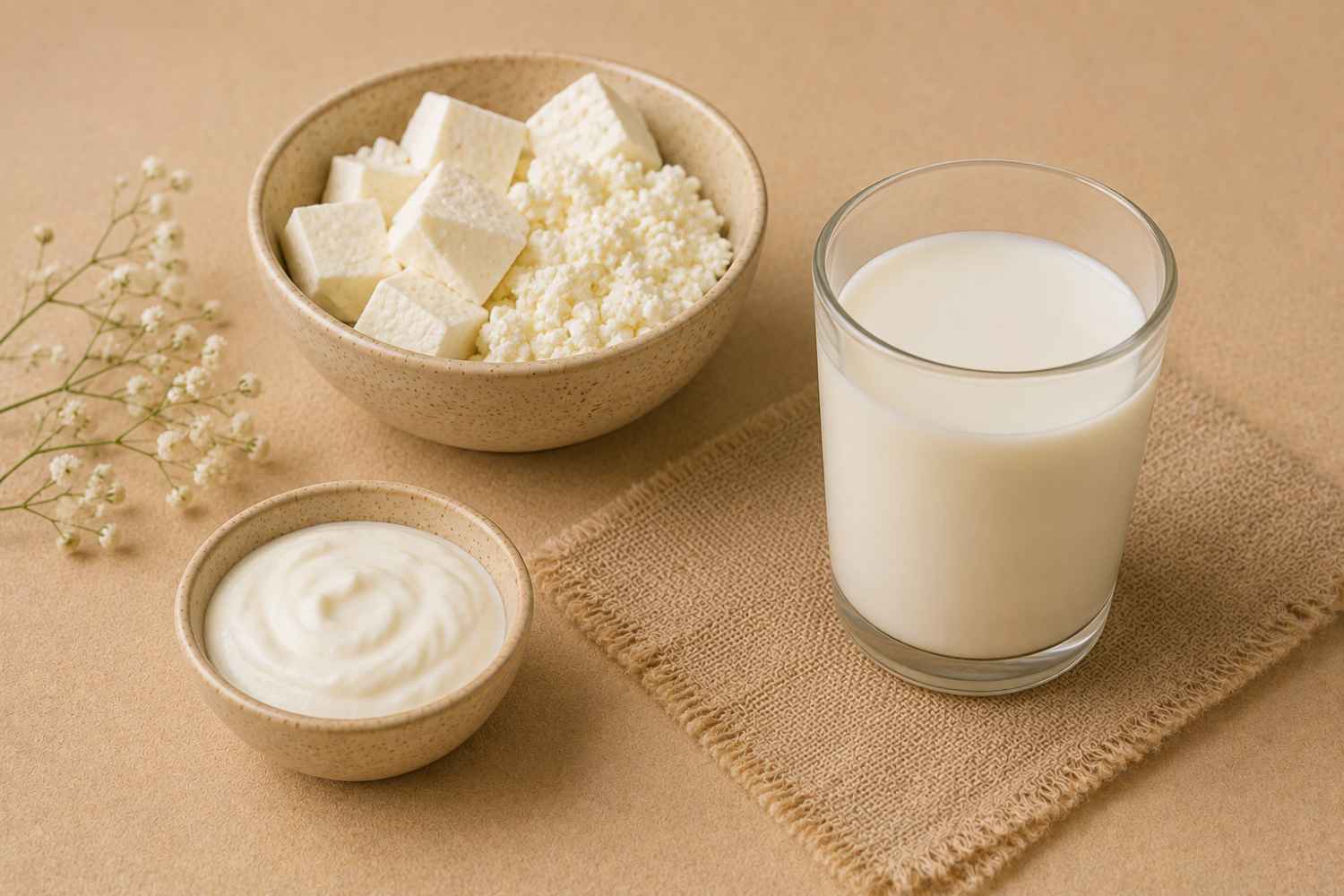
If milk, cheese, or ice cream always give you gas, bloating, and runs to the restroom, there could be a message from your body that you need to know. Despite being consumed by many people, some have trouble digesting it. Lactose intolerance affects people all over the world, and other people suffer from dairy protein sensitivities. If you are also one of those, then this information is very helpful for making food choices and avoiding restrictions unnecessarily.
What Is Dairy Intolerance?
Dairy intolerance takes many forms, the most common one being lactose intolerance. Lactose is the sugar naturally present in milk. To break down lactose, one needs the lactase enzyme. Lack of enough lactase enzyme causes accumulation of lactose in the colon where it ferments with the bacteria, causing bloating and gas.
Common Signs Dairy May Not Be Working for You
-
Bloating and excess gas
Bloating after the intake of milk, cheese, ice cream, or any other dairy product is considered one of the most frequent symptoms of lactose intolerance. The lack of sufficient production of the lactase enzyme that is responsible for breaking down lactose results in its presence in the large intestine, where fermentation occurs due to bacteria. This causes increased gas, and thus bloating and flatulence occur about 30 minutes to two hours after consumption of dairy.
-
Stomach cramps
Undigested lactose can lead to an influx of water in the digestive system and increased pressure in the digestive system. That is why numerous people suffer from stomach cramps or abdominal pains after consuming dairy products. The symptoms can vary starting from slight cramping to painful stomach ache, which goes away after the passing of lactose through the digestive system.
-
Diarrhoea
Loose stools or frequent bowel movements after consuming dairy products can be caused by lactose intolerance. As undigested lactose leads to the influx of water in the intestines, this causes soft stools and increased frequency of bowel movements. Even though sometimes diarrhoea has different reasons, the persistent occurrence of this symptom after consuming dairy can become a reason to visit a doctor.
-
Nausea
Sometimes, people who suffer from lactose intolerance feel nauseous after consuming dairy products, especially after eating or drinking a considerable amount of milk or products rich in dairy.
-
Recurring digestive discomfort
If you regularly feel bloated, gassy, suffer from stomach pain, or experience diarrhea after eating dairy products, then this may indicate that dairy is not tolerable for your body. Maintaining a food journal and recording symptoms will help identify the cause of your problems. Should symptoms decrease after minimizing dairy consumption, then seeking professional advice would be wise.
-
Fatigue or feeling sluggish
Despite being less typical symptom of lactose intolerance, some people have admitted experiencing fatigue or sluggishness after having felt digestive discomfort. Feeling bloated, stomach pain, or diarrhea often can drain you and negatively impact on your general state of well-being. Nevertheless, fatigue cannot serve as a sufficient symptom of dairy intolerance, since there are numerous other diseases associated with this issue.
Lactose Intolerance vs Dairy Sensitivity
Lactose intolerance occurs due to problems with lactose digestion. Lactose sensitivity differs from milk allergy and has to do with reactions to milk proteins. True milk allergy is another condition that requires consultation of a medical professional.
What Does The Research Say?
According to the NIDDK, lactose intolerance is associated with a lack of the lactase enzyme and often causes bloating, gas, diarrhea, and abdominal pain when consuming lactose-containing products. According to a review from Nutrients, lactose intolerance is widespread worldwide and the majority of individuals have some degree of tolerance to dairy products, especially when combined with meals. The review also stresses the need for personalised diet therapy instead of unnecessary restrictions.
Simple Dairy-Free Swaps
Use unsweetened almond or soy milk instead of dairy milk, replace cream-based products with nut butters, opt for plant-based yoghurts, and try healthy alternatives to traditional dairy desserts.
How The Cinnamon Kitchen Makes Dairy-Free Easier
In The Cinnamon Kitchen, our bakery website , we think that using better, healthier ingredients would bring about more enjoyable mealtimes. This is the reason behind our choice of snacks and desserts, which are dairy-free and made from a conscious choice of ingredients like nuts, oats, millets and seeds. No matter what you prefer- cookies, granolas, walnut brownies, nut butters, and gluten-free snacks and desserts- you can easily have delicious food when you go dairy-free with us.
Note: Not all digestive problems are due to lactose intolerance. If you get consistent reactions after consuming dairy products, then it's a sign you should take notice of.
FAQs
Can children develop lactose intolerance?
Yes. While not as common in kids, lactose intolerance can develop at any time during childhood and beyond.
Does lactose intolerance get worse with age?
As you grow older, your body will produce less lactase naturally, causing increased symptoms.
Can probiotics cure lactose intolerance?
Research does not support the use of probiotics as a treatment for lactose intolerance; however, some individuals may benefit from them.
Is butter dairy-free?
No. Butter is considered a dairy product; nevertheless, it has less lactose content compared to milk.
Popular Searches
Natural Almond Butter | Jim Jam Biscuit | Sugar Free Cookies | Sugar Free Cake
Popular Blogs
Types Of Millets | Gluten Free Foods | Muesli Vs Granola | Pre Workout Snacks | Diabetic Dessert Recipes | Is Granola Healthy | Almond Butter Vs Peanut Butter | Sattvic Foods
