


Introduction
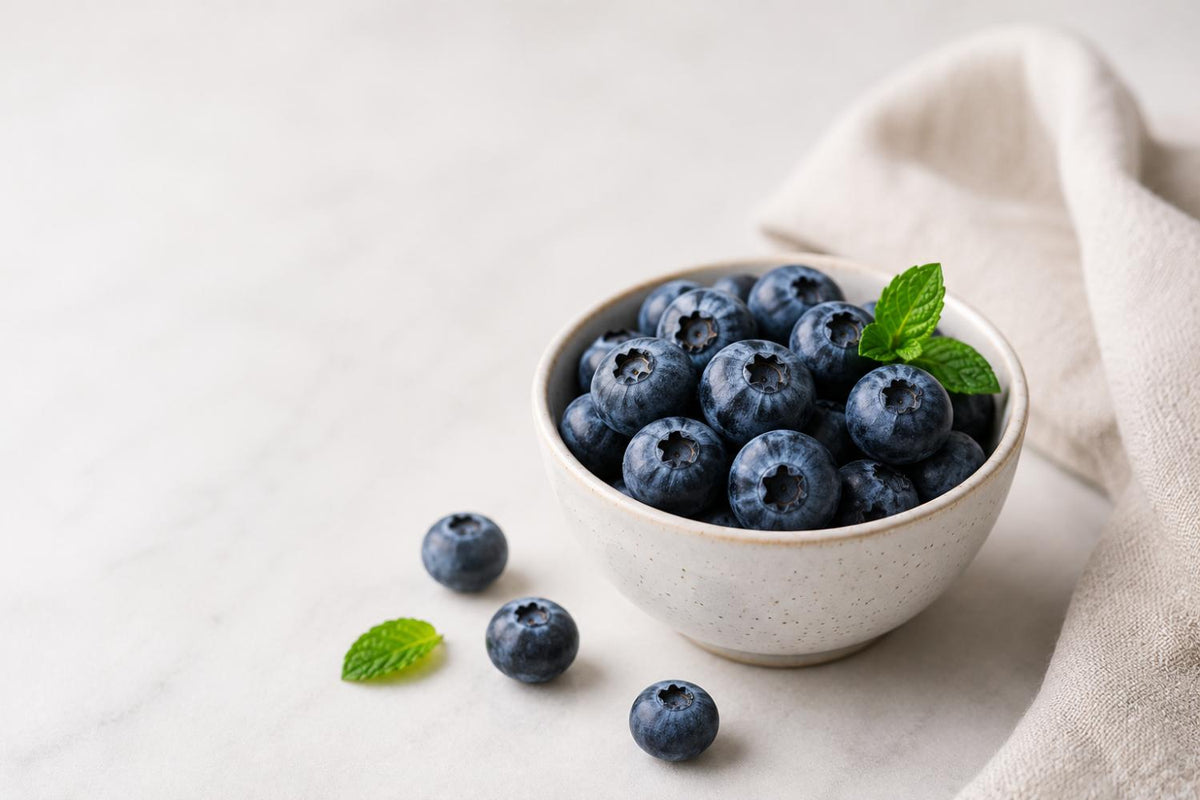
For many of us, blueberries first appeared as tiny blue dots on café pancakes. Now, they are just as likely to turn up in a breakfast bowl, smoothie or home bake. Their sweet-tart flavour is reason enough to enjoy them.
Their nutritional profile makes the case even stronger. The benefits of blueberries come from fibre, vitamins and anthocyanins. These plant compounds give the fruit its colour and account for many of the health benefits of blueberries for overall wellness.
In This Article
What Are Blueberries? Everything You Need to Know
Blueberry Nutrition Facts: Calories, Vitamins & Essential Nutrients
Top 10 Health Benefits of Blueberries
Easy Ways to Add Blueberries to Your Daily Diet
How The Cinnamon Kitchen Uses Blueberries in Everyday Treats
Are There Any Side Effects of Eating Blueberries?
Key Takeaways
- One cup of blueberries contains 84 calories, 3.6 grams of fibre and useful amounts of vitamin C, vitamin K and manganese.
- Their blue-purple colour comes from anthocyanins. These antioxidants are being studied for their role in heart, brain and metabolic health.
- Fresh and frozen berries are both good choices. Dried blueberries are more concentrated, so a smaller portion makes sense.
What Are Blueberries? Everything You Need to Know
Blueberries are small berries that grow on flowering shrubs. They have a thin skin, soft centre and mildly sweet flavour. Native to North America, they are now grown in several parts of the world.
They can be eaten fresh, frozen or dried. You can also add them to yoghurt, smoothies, porridge and baked treats. Their nutrient content and versatility make blueberries easy to include in a healthy daily diet.
Blueberry Nutrition Facts: Calories, Vitamins & Essential Nutrients
One cup of fresh blueberries, weighing approximately 148 grams, contains:
|
Nutrient |
Approximate amount |
|---|---|
|
Calories |
84.4kcal |
|
Carbohydrates |
21.5 g |
|
Fibre |
3.55 g |
|
Protein |
1.0 g |
|
Fat |
0.46 g |
|
Vitamin C |
14.4 mg |
|
Vitamin K |
28.6 mcg |
|
Manganese |
0.497 mg |
|
Calcium |
8.88 mg |
These blueberry nutrition facts can vary slightly with the variety and ripeness. Still, the fruit offers useful nutrients for relatively few calories. This nutritional value of blueberries makes them easy to include in everyday meals.
Top 10 Health Benefits of Blueberries
Here are the top 10 health benefits of blueberries and the nutrients behind them. Each one shows why this fruit deserves a place in your diet.
1. Rich in Powerful Antioxidants
Blueberries contain anthocyanins, the pigments responsible for their rich colour. These antioxidants in blueberries help protect cells from oxidative stress caused by unstable molecules called free radicals.
2. Supports Heart Health
Fibre and anthocyanins may support healthy blood vessels, blood pressure and cholesterol levels. However, blueberries for heart health work best as part of a diet that includes plenty of fruits, vegetables and whole grains.
3. Supports Brain Function and Memory
Research suggests that berry anthocyanins may support blood flow to the brain and protect cells from oxidative stress. The possible role of blueberries for brain health is especially relevant as people age, although more research is still needed.
4. Helps Strengthen Immunity
Vitamin C in blueberries supports normal immune function. It also helps the body produce collagen and absorb iron from plant-based foods.
5. Aids Healthy Digestion
Blueberry fibre supports regular bowel movements. Its plant compounds may also interact with beneficial gut bacteria. Pairing the fruit with yoghurt containing live cultures adds protein and probiotics.
6. May Help Manage Blood Sugar Levels
Blueberries contain natural sugar, but their fibre can slow its absorption. Anthocyanins may also support insulin sensitivity. People considering blueberries for diabetes should watch their portions and choose fresh or unsweetened frozen fruit.
7. Supports Healthy Skin
Vitamin C contributes to collagen production, while antioxidants help defend cells from oxidative damage. Therefore, including blueberries for skin health can complement hydration, sun protection and a varied diet.
8. Promotes Eye Health
Anthocyanins may help protect eye tissues from oxidative stress. Blueberries also contain vitamin C, which supports the health of blood vessels, including those found in the eyes. They do not, however, replace regular eye examinations or prescribed treatment.
9. May Help With Weight Management
Fresh blueberries for weight loss can be useful because they are low in calories and provide fibre. They can add sweetness and volume to a meal without relying on refined sugar. Try them with porridge and a spoonful of almond butter & for a more filling breakfast.
10. Helps Reduce Inflammation
Long-term oxidative stress can contribute to inflammation. Anthocyanins may help regulate some inflammatory processes, though blueberries should not be treated as a cure for inflammatory conditions.
Easy Ways to Add Blueberries to Your Daily Diet
The benefits of eating blueberries every day are easier to enjoy when they slip naturally into meals. Try these ideas:
- Add fresh blueberries to plain yogurt.
- Blend frozen berries into smoothies.
- Mix blueberries into oats, chia pudding or salads.
- Mash them over toast as a jam alternative.
- Sprinkle them over granola for some crunch.
Blueberries can also add natural colour and a sweet-tart flavour to sugar free cookies, muffins or a sugar free cake.

How The Cinnamon Kitchen Uses Blueberries in Everyday Treats
Blueberries work well in creamy desserts, soft cakes and fruit crumbles. The Cinnamon Kitchen uses them in plant-based and gluten-free bakes available through its bakery website.
Blueberry & Cheesecake Millet Jar
The Blueberry & Cheesecake Millet Jar has three distinct layers. An almond butter biscuit forms the base, followed by vegan cheesecake and blueberry compote. Raw khandsari and lemon zest balance the creamy and tangy flavours.
Apple & Blueberry Crumble Cake
The Apple & Blueberry Crumble Cake combines green apples and blueberries with a crisp crumble. Almonds, oats and walnuts add texture, while cinnamon complements the fruit.
Berry & Cream Cake
The Berry & Cream Cake pairs vanilla cake with blueberries, homemade raspberry jam and raspberry cashew buttercream.

Are There Any Side Effects of Eating Blueberries?
Most people can eat blueberries without a problem. A very large portion may cause gas, bloating or loose stools because of the fibre.
Berry allergies are uncommon but possible. People taking medication that requires consistent vitamin K intake should discuss major dietary changes with their doctor. Sweetened dried berries also require portion control because their sugar and calories are concentrated.
Final Thoughts
Blueberries bring colour, flavour and variety to many meals and desserts. Their balance of sweetness and tartness works well with creamy, crunchy and baked ingredients. From a simple breakfast bowl to a carefully prepared dessert, there are plenty of enjoyable ways to serve them. Fresh berries add a juicy bite to bowls and toppings. When cooked, they soften and release their colour into cakes, crumbles and compotes.
Frequently Asked Questions
-
Are blueberries healthier than strawberries?
Both are nutritious. Blueberries are particularly rich in anthocyanins, while strawberries generally provide more vitamin C. There is no need to choose only one.
-
Can you eat blueberries every day?
Yes, most people can enjoy them regularly as part of a varied diet. Rotate them with other fruits to receive a wider range of nutrients.
-
Do frozen blueberries have the same nutritional value as fresh blueberries?
Frozen blueberries retain most of their fibre, vitamins and antioxidants. Choose a plain pack without syrup or added sugar.
-
What is the best time of day to eat blueberries?
There is no fixed time. Have them with breakfast, between meals or as part of a dessert. What you pair them with matters more than the hour.
-
How many blueberries should you eat in a day?
Around half a cup to one cup is a practical serving for most adults. The right amount depends on your overall diet, appetite and health needs.
Popular Searches
Jim Jam Biscuit | Walnut Brownie | Snacks For Diabetic Patients | Gluten Free Snacks
Popular Blogs
Types Of Millets | Gluten Free Foods | Muesli Vs Granola | Pre Workout Snacks | Diabetic Dessert Recipes | Is Granola Healthy | Almond Butter Vs Peanut Butter | Sattvic Foods
