


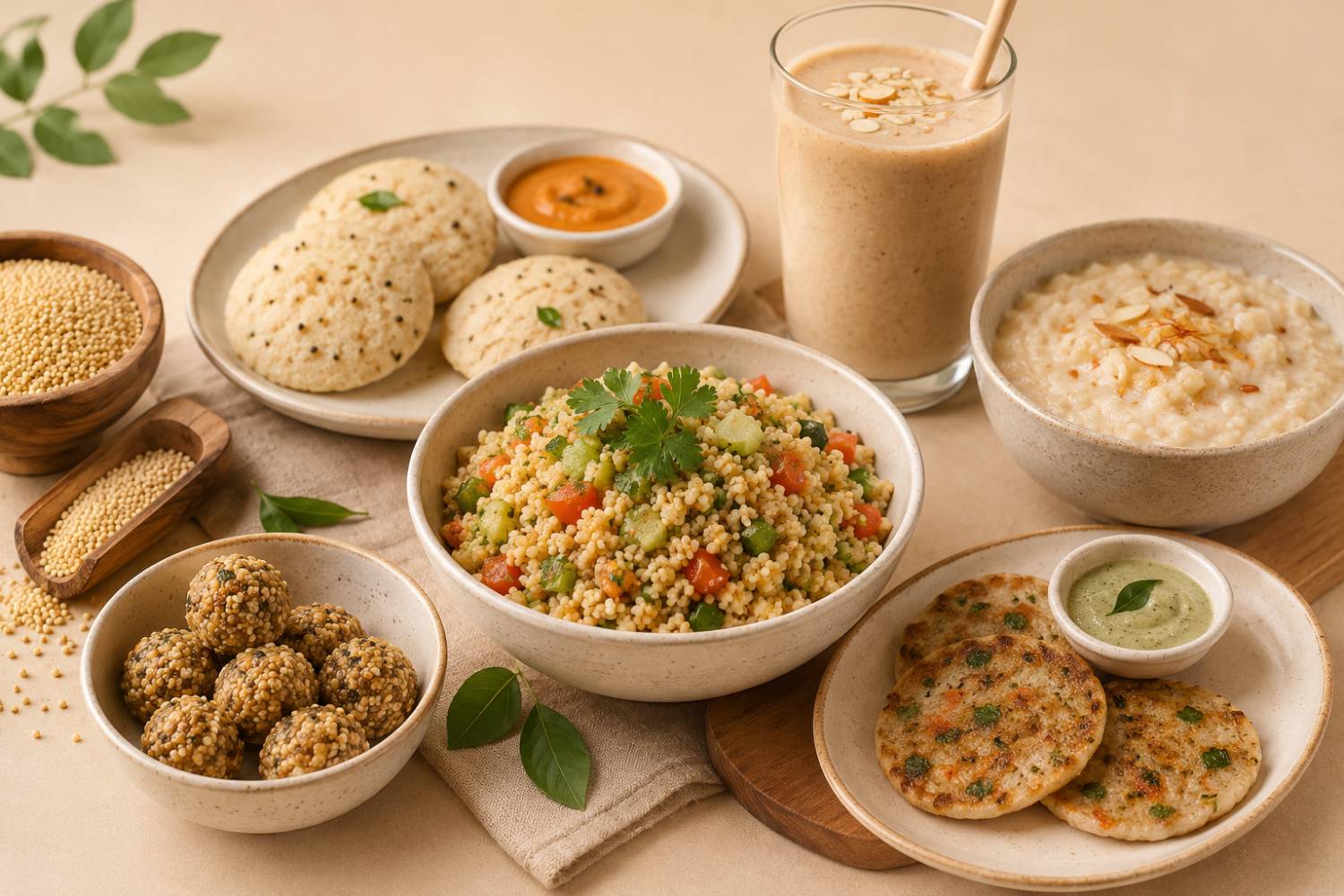
Millets have been in Indian kitchens for generations but are finally getting the recognition they deserve once again. These healthy grains are slowly making the transition from “traditional food” to everyday modern eating, from jowar and bajra to ragi, little millet, foxtail millet and amaranth.
And truthfully, it makes sense. Millets are naturally gluten-free, versatile and can be used in everything from rotis and porridges to crackers, breads, granola and even cakes. Depending on the variety, millets can be good sources of minerals, dietary fibre, antioxidants and protein, says the Food and Agriculture Organization of the United Nations. They also possess a lower glycemic index than many other grains and are naturally gluten-free.
So, if you have been hearing the term millet superfood everywhere but are not sure how to actually include it in your daily diet, this blog is for you.
Why Are Millets Called A Superfood?
Millets are often called a millet superfood because they add more than just carbohydrates to your plate. Many millets are rich in fibre, plant protein, magnesium, iron, calcium and other minerals. They are also naturally gluten-free, which makes them a good option for those who want to cut down on maida or refined flour in day-to-day meals.
One of the best millet benefits is that it can make your meals feel more filling. Millets are higher in fibre and less refined than maida-based foods, and thus take longer to digest. This can help provide steady energy, as part of a balanced diet.
As per an analysis published in Frontiers in Nutrition , millets are widely recognised for their low glycaemic index and the review looked at millet intake in relation to diabetes and blood glucose response. Although it’s not that millets are some magic cure, but they are a smart grain to add to your diet more often, especially if you are trying to establish healthier eating habits.
1. Begin with a Millet Breakfast
Begin with something easy, such as breakfast. Instead of having only refined cereals or white bread to start your morning, try adding millets in simple forms.
You could make ragi porridge, jowar chilla, millet upma or a warm bowl of cooked little millet, nuts and fruit. If you are a crunchy type, millet-based granola is an easy substitute. Add to yoghurt, milk, fruit or smoothie bowls.
For example, a bowl of The Cinnamon Kitchen's Berry & Banana Millet Granola is perfect for busy mornings, with crunch, flavour and millet-based goodness without the hassle of cooking from scratch.
2. Use Millet Atta For Your Daily Cooking
One of the easiest ways to use millets on a daily basis would be through using millet atta. You need not cook a fancy dish to enjoy millets. Just prepare some tasty rotis, cheelas, pancakes or halwa using millet atta.
If you are just a beginner in using millet atta, then initially start with combining millet atta with your normal flour or a gluten-free flour combination. This will help you to get used to its texture and taste.
Gluten-Free Millet Atta from TCK could prove to be a good choice as a daily-use product for cooking easy recipes.
3. Swap Your Snacks With Millet Snacks
The majority of people have more issues with snacking rather than actual meal preparation. At around 4 pm, most people are looking forward to biscuits, chips, or any snack that is quickly ready.
But here comes the time when millet snacks can help out. Instead of the traditional snacks that are either fried or made of maida flour, you can opt for millet crackers, chips or pita snacks, which provide the same crunch factor, yet are a healthier and more conscious alternative.
FAO states that millets are whole grains with a higher nutritional value in comparison to refined cereals like wheat, rice, and corn, depending on the species and cultivation environment. So by switching from refined flour snacks to millet snacks, you make a significant change.
Cheesy Millet Chips, Methi Millet Crackers and Crispy Millet Pitas from TCK brand will make it possible to consume millet without changing your current routine. These snacks can be consumed with any dip or just with your tea.
4. Include Millets in Your Lunch Bowl
Millets make a great addition to lunch bowls. Instead of white rice, try adding cooked foxtail millet, little millet, or barnyard millet. Adding dal, sabzi, curd, chutney, sprouts, or roasted vegetables will ensure that you get a complete meal.
The only thing to keep in mind when using millets is that one shouldn't overcook them. Soak and wash your millets before preparing them. Cooking the millets like rice, and then using them in bowls, pulao, or khichdi will do just fine.
The best way for beginners to start using millets is by preparing a millet khichdi.
5. Use Millets in Your Baking
This is definitely one of the most overlooked techniques of including millets in our daily diets. The flours of millets are very suitable for inclusion in baking cookies, cakes, crackers, muffins, bread and even brownies. These will give your bakery a nutty taste and are more nutritious than the conventional maida versions.
As a bakery website , The Cinnamon Kitchen uses millets in many of its freshly baked items to create gluten-free foods while reducing the use of refined flour.
If you like to experiment with baking at home, try adding ragi, jowar, bajra or amaranth flour in place of a part of your flour. Start small since the millets behave differently when baking and may require different binding agents and more moisture.
6. Have a Comfort Dinner Using Millets
Millets need not necessarily be associated with the term "diet food." They can be turned into actual comfort food. It could be millet dosas, ragi idlis, bajra khichdi, jowar tacos, millet pulao, and even millets in the form of pasta.
When having dinner, just keep things simple. A millet khichdi along with some veggies, some curd and pickle will be more than enough. Millet rotis accompanied by dal and sabzi are also an option.
The whole point is to have millets in the form of food that you actually love.
7. Use Millets in Sweet Dishes
Millets can work really well in desserts as well. Ragi laddoos, millet halwa, amaranth cookies, bajra brownies or jowar pancakes can be delicious with better sweeteners and good fat.
This is a sweet way to make desserts feel more nourishing. You still get the comfort of something sweet, but with healthier grains and more mindful ingredients.
If you want something festive but not too heavy on maida, try a millet cake or biscuit. TCK’s millet cakes and protein cookies follow the same concept: retain the taste, upgrade the ingredients.
8. Keep Ready-To-Eat Millet Options At Home
When your pantry makes healthy eating possible, it’s easier. If all you have is regular biscuits fried snacks, then you will pick regular biscuits fried snacks. If you have millet options that are readily available, then it becomes easier to include millet in your daily life.
For instance, you can keep millet bread for breakfast, millet granola For bowls, millet crackers for tea time, millet flour for quick home recipes. These small changes make it easier to incorporate millets into your diet without having to completely change the way you eat.
Conclusion
Millets don’t have to be complicated. They can be added to your daily diet in breakfast bowls, atta, crackers, breads, lunch bowls, baking and even desserts. The real plus point of these healthy grains is that they blend well in Indian eating patterns while giving fibre, minerals and variety to your plate.
Small is the best way to begin. Switch one snack, one flour or one meal at a time. Millets can easily become a natural part of your routine in a few weeks.
At The Cinnamon Kitchen, we love using millets as they help us create gluten free better for you snacks and bakes without compromising on taste. Because healthy eating should be simple, delicious, and easy to get back to every day.
FAQs
1. What are the benefits of millet?
Some of the key millet benefits include improved satiety, increased fibre, natural minerals and support for balanced eating. They are also a good substitute for refined grains like maida.
2. Can I consume millets everyday?
Yes, you can add millets to your daily diet as a part of a balanced meal plan. Start slow and rotate different grains like rice, wheat, jowar, bajra, ragi and little millet."
3. Does millet have gluten?
Millets are naturally gluten free. But if you are celiac or very sensitive to gluten, look for products made in a dedicated gluten-free facility like The Cinnamon Kitchen, to avoid cross contamination.
4. How to include millets in our daily diet easily?
Begin with simple swaps like millet atta, millet crackers, millet granola or millet bread. These are easier ways to incorporate these healthy grains in your daily life.
Popular Searches
Natural Almond Butter | Jim Jam Biscuit | Walnut Brownie | Gluten Free Snacks | Sugar Free Cookies | Sugar Free Cake |
Popular Blogs
Types Of Millets | Gluten Free Foods | Muesli Vs Granola | Pre Workout Snacks | Diabetic Dessert Recipes | Is Granola Healthy | Almond Butter Vs Peanut Butter | Sattvic Foods
