


Introduction
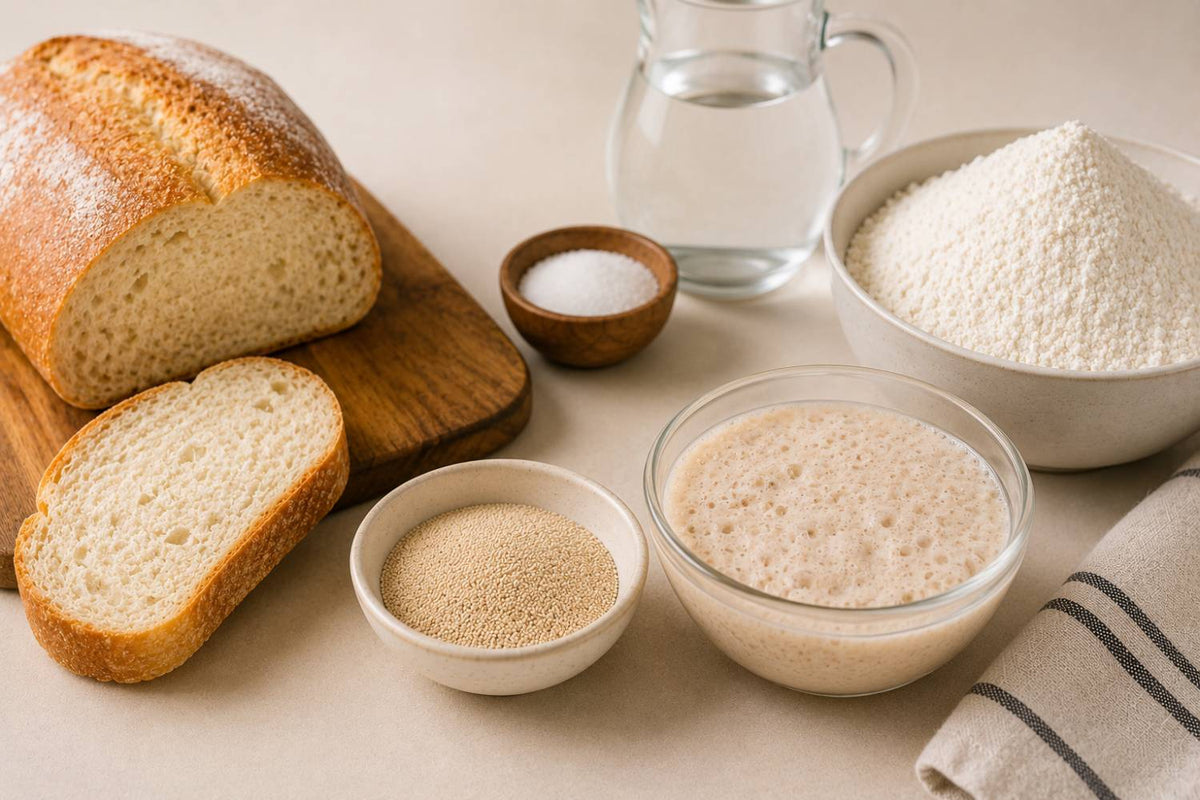
Freshly mixed bread dough can feel dense and sticky. Leave it to rest, and yeast quietly gets to work. The dough begins to expand, feels lighter and slowly develops the aroma we associate with freshly baked bread.
The role of yeast in bread making goes beyond producing a taller loaf. It also affects the crumb and the pace at which the dough develops. Knowing what yeast needs makes it easier to understand a slow rise or uneven result.
In This Article
What Is Bread Yeast and Why Is It Important?
How Does Yeast Work in Bread Making?
Types of Yeast for Bread Making
What Is the Role of Yeast in Bread Texture and Flavour?
Factors That Affect Yeast Performance in Bread Making
Common Bread-Making Mistakes When Using Yeast
Tips for Making Soft, Well-Risen Bread Dough with Yeast
More Bakes from The Cinnamon Kitchen
Key Takeaways
- Yeast consumes the sugars in the dough and releases carbon dioxide gas, which helps the dough rise.
- Fermentation is not simply about volume. It also shapes the crumb and develops the bread’s aroma.
- Active dry, instant and fresh yeast can all be used for bread, but they differ in handling, storage and rising speed.
What Is Bread Yeast and Why Is It Important?
Bread yeast is a living microorganism used as a leavening agent. There are many types of yeast, but the one commonly used in bread dough is Saccharomyces cerevisiae.
Yeast turns a compact mixture of flour and water into lighter, well-risen dough. Without enough yeast activity, the loaf may remain heavy and have a tight crumb. Fermentation also allows the dough to develop and contributes to the aroma of the finished bread.
The function of yeast in bread affects three important qualities: volume, texture and aroma. Gluten in wheat bread retains the gas produced in fermentation. Gluten-free flour blends use starches and binders to hold the gas and support the loaf’s structure. This support helps the loaf to rise and hold its shape in the oven.
How Does Yeast Work in Bread Making?
To understand how yeast works in bread, begin with fermentation. Yeast needs moisture, suitable warmth, and enough time to become active.
The Fermentation Process in Bread Dough
During the yeast fermentation process, yeast uses fermentable sugars and produces carbon dioxide. This activity gradually increases the dough’s volume. Fermentation also creates compounds that add to the bread's flavor and character.
How Yeast Helps Bread Rise
The gas that is produced during fermentation creates small pockets in the dough. As these pockets expand, the dough becomes lighter and increases in size. Heat provides a final lift in the oven before the crumb sets.
Types of Yeast for Bread Making
The main types of yeast for bread are active dry, instant and fresh yeast. They perform the same basic function but differ in preparation and rising speed. All of them do the same basic thing, but have different preparation and rise speeds.
Active Dry Yeast for Bread
Active dry yeast for bread has coarse granules. Some varieties must be dissolved in warm water before use, while others can be added directly to the flour. Check the pack for the correct method.
Active dry yeast can suit a range of bread recipes. The Cinnamon Kitchen’sGluten-Free Multi-Seed Millet Bread is one example.
Instant Yeast for Bread
Instant yeast for bread has finer granules and can be added directly to the dry ingredients. It has a tendency to work faster than active dry yeast.
In the active dry yeast vs instant yeast comparison, both can produce a well-risen loaf. Many recipes allow them to be exchanged in equal amounts, although proofing times may differ. Follow the recipe and check the dough as it rises.
Fresh Yeast for Bread
Fresh yeast for bread is soft, moist and perishable. It is usually crumbled or dissolved before mixing. Since fresh and dry yeast are not exchanged in equal quantities, follow a tested conversion.
What Is the Role of Yeast in Bread Texture and Flavour?
So, what is the role of yeast in bread making beyond creating height? A steady rise helps produce an even crumb, while fermentation develops the aroma and character of the loaf.
This is how yeast improves bread texture and flavor, but every part of the recipe has a purpose. Flour builds structure, water adds moisture and salt regulates the speed of fermentation.
The final texture also depends on the style of bread. A sandwich loaf needs an even crumb for clean slices. Focaccia has a flatter shape but still needs enough lift to keep its base light. In this millet focaccia, active dry yeast helps provide that lift.
Factors That Affect Yeast Performance in Bread Making
A few everyday details can change the pace of bread dough fermentation with yeast.
Dough Temperature
Warm dough supports yeast activity, while a cooler environment slows it down. The liquid should feel comfortably warm rather than hot. Excessive heat can damage the yeast before the rise begins.
The Effect of Sugar and Salt
Yeast can feed on sugars released from flour, so added sugar is not necessary in every loaf. A small amount may support fermentation and browning. The choice of sweetener can also affect the flavour and texture of milletbreads and sugar-free cake.
Salt strengthens the dough and keeps the rise under control. However, placing concentrated salt directly against yeast can interfere with its activity. Mix both ingredients evenly through the flour.

Proofing and Rising Time
Room temperature, flour choice and yeast type all affect proofing time. Use the suggested time as a guide, but watch the dough as well. It should look expanded and feel airy when it is ready for the oven.
Common Bread-Making Mistakes When Using Yeast
Small errors can affect the rise and texture of an entire loaf. Look out for these common mistakes:
- Using old yeast or storing it incorrectly
- Mixing yeast with liquid that is too hot
- Measuring flour, salt or yeast inaccurately
- Placing concentrated salt directly against yeast
- Adding more flour before the dough has hydrated
- Following the clock without checking the dough
Tips for Making Soft, Well-Risen Bread Dough with Yeast
These habits can make bread making with yeast more consistent:
- Check the expiry date before beginning.
- Use the quantity stated in the recipe.
- Weigh the flour whenever possible.
- Cover the dough while it rises.
- Choose a warm place away from draughts.
- Give gluten-free dough enough hydration.
- Use the binder recommended in the recipe.
- Allow the loaf to cool before slicing.
Once cooled, bread can be served as it is, toasted or paired with a simple spread such asAlmond Butter.
The best bread yeast for soft and fluffy bread should be active, used in the correct quantity and suited to the recipe. These tips are useful when baking at home. If you prefer a ready-made loaf, The Cinnamon Kitchen’s bakery websitefeatures gluten-free breads alongside other small-batch bakes.
More Bakes from The Cinnamon Kitchen
The Cinnamon Kitchen makes plant-based and gluten-free breads, cookies and cakes and Gluten Free Snacks in small batches. The recipes use ingredients such as millets, almonds, oats, nuts and natural sweeteners in place of maida and refined sugar.
TheBanana & Pecan Bread is made with ripe bananas, crunchy pecans and dark chocolate. It is a soft, naturally sweetened loaf that can be sliced and served as an everyday bake.
TheBerry & Cream Cake is made for larger celebrations. It combines layers of vanilla cake with blueberries, raspberry jam and raspberry cashew buttercream and is available in Delhi NCR.
Add image here: https://cinnamon.kitchen/cdn/shop/files/Copy_of_D2.jpg?v=1774493518&width=1000

Conclusion
Yeast works as part of the complete dough rather than on its own. Flour and binders hold the gas, water provides hydration, and salt keeps fermentation under control. Each element contributes to the loaf’s final structure.
Understanding how these ingredients work together makes bread-making less uncertain. The rise, crumb, and aroma of the finished loaf can then help you improve the next batch.
Frequently Asked Questions
-
What does yeast do in bread?
Yeast releases carbon dioxide as it ferments sugars. The trapped gas expands the dough and helps form its crumb.
-
Why does bread dough fail to rise even after adding yeast?
The yeast may be old, the liquid too hot or the room too cool. Excess salt and insufficient proofing time can also affect the rise.
-
What happens if you use too much yeast in bread dough?
The dough may rise too quickly and overproof before baking. The finished loaf may also have an uneven crumb.
-
Can you substitute one type of yeast for another in bread recipes?
Active dry and instant yeast can often be exchanged in equal amounts, although their rising times may differ. Fresh yeast requires a separate conversion.
-
How should bread yeast be stored to keep it active?
Keep unopened yeast in a cool, dry place. Once opened, seal it carefully and follow the storage directions printed on the pack.
-
How do you activate dry yeast before making bread?
Mix it with warm water according to the package directions. If you are checking whether it is active, add a little sugar. A layer of foam after several minutes shows that the yeast is working.
Popular Searches
Jim Jam Biscuit | Walnut Brownie | Snacks For Diabetic Patients
Popular Blogs
Types Of Millets | Gluten Free Foods | Muesli Vs Granola | Pre Workout Snacks | Diabetic Dessert Recipes | Is Granola Healthy | Almond Butter Vs Peanut Butter | Sattvic Foods
